Powerful Earthquake Strikes Japan’s Kyushu Island: Impact and Response
On July 28, a powerful earthquake shook Japan’s Kyushu island, prompting urgent evacuations and causing significant disruptions across the region. The quake’s impact was felt through widespread power outages, damage to infrastructure, and reports of missing persons. This article provides an authoritative overview of the earthquake’s effects, the response by local authorities, and the challenges ahead for recovery and safety.
Powerful Earthquake Strikes Japan’s Kyushu Island: Impact and Response
The Earthquake and Its Immediate Effects
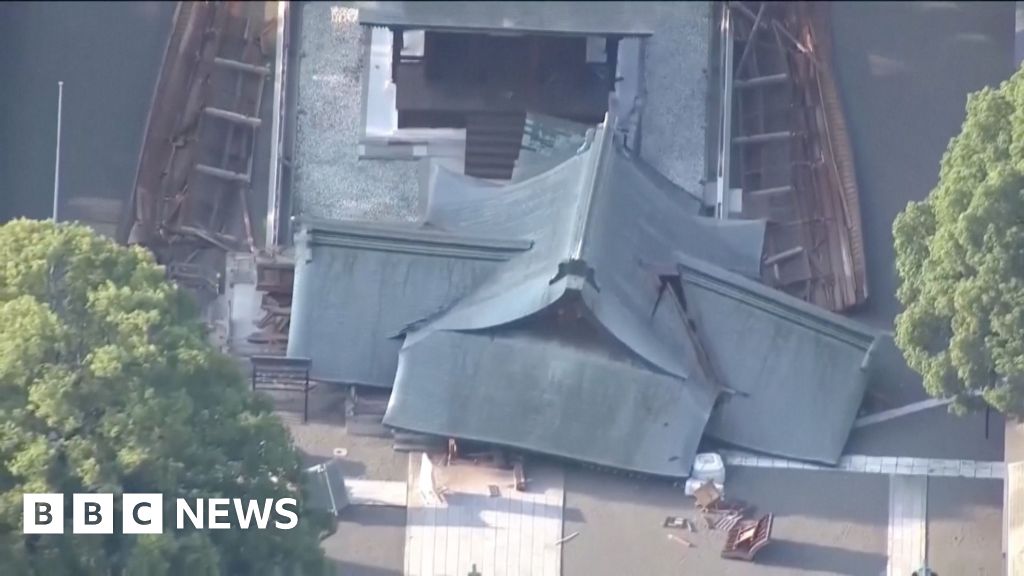
The earthquake struck Kyushu island with considerable force, compelling over 150,000 residents to evacuate their homes as a precautionary measure. The tremor caused immediate disruptions, including widespread power outages affecting more than 40,000 households. Infrastructure suffered notable damage: roads were compromised, a footbridge was destroyed, and a section of a historic castle wall collapsed.
One of the most concerning incidents occurred at a paper factory in Kumamoto prefecture, where a chimney collapsed. This event resulted in several individuals being reported missing, with police actively involved in search and rescue operations. The extent of injuries or casualties has not been fully disclosed, but the situation remains critical as emergency services continue their efforts.
Infrastructure Damage and Public Safety Concerns
The destruction of key infrastructure such as roads and bridges has complicated rescue and relief operations. The damage to transportation routes hinders the movement of emergency personnel and supplies, potentially delaying aid to affected communities. Additionally, the collapse of part of a castle wall underscores the earthquake’s strength and raises concerns about the stability of other historic and public structures in the region.
Power outages affecting tens of thousands of households have disrupted daily life and posed challenges for communication and emergency response. Restoring electricity is a priority for authorities to ensure that hospitals, emergency centers, and residents can function effectively during the recovery period.
Emergency Response and Evacuation Efforts
Local authorities swiftly initiated evacuation protocols, resulting in the movement of more than 150,000 people to safer locations. Evacuation centers have been set up to provide shelter, food, and medical assistance to displaced residents. The government and emergency services are coordinating efforts to assess the damage, locate missing persons, and prevent further harm.
Police and rescue teams are focusing on the paper factory incident, where the chimney collapse has trapped workers or nearby individuals. The search for missing persons is ongoing, highlighting the urgency and danger posed by the earthquake’s aftermath.
Contextualizing the Earthquake Within Japan’s Seismic Activity
Japan is situated along the Pacific Ring of Fire, an area known for frequent seismic activity. Earthquakes of varying magnitudes occur regularly, and the country has developed extensive preparedness and response systems. Despite these measures, powerful quakes such as the one on Kyushu island continue to cause significant damage and disruption.
The recent event serves as a reminder of the ongoing risks faced by residents and the importance of maintaining robust infrastructure and emergency protocols. It also underscores the need for continuous monitoring and public education about earthquake preparedness.
Looking Ahead: Recovery and Resilience
In the coming days and weeks, efforts will focus on restoring essential services, repairing damaged infrastructure, and supporting affected communities. Authorities will also conduct thorough assessments to understand the full scope of the damage and identify areas requiring urgent attention.
Building resilience against future earthquakes remains a priority. This includes reinforcing buildings, improving early warning systems, and ensuring that evacuation plans are well-communicated and practiced. The experience from this event will likely inform future strategies aimed at minimizing harm and enhancing community safety.
What this means
The earthquake that struck Kyushu island on July 28 has had immediate and far-reaching effects on the region’s population and infrastructure. While emergency response teams are working diligently to address the crisis, the event highlights the persistent seismic risks faced by Japan. Continued vigilance, investment in resilient infrastructure, and effective disaster preparedness remain crucial to safeguarding communities against future earthquakes. As recovery efforts unfold, the lessons learned will be vital in strengthening Japan’s ability to respond to similar natural disasters in the future.
Editor’s note: The following is AI-generated commentary and context on this topic, not original reporting.
Broader Context and Outlook
Schools and hospitals are frequently prioritised in post-earthquake structural assessments, given their critical role in both immediate emergency response and long-term community recovery.
Retrofitting older buildings to modern seismic standards remains one of the most persistent and expensive challenges facing earthquake-prone regions, even in countries with otherwise advanced building codes.
Insurance payouts and government reconstruction funds following major quakes are often the subject of long-running political debate, particularly over how quickly compensation reaches affected households versus larger infrastructure projects.
The financial cost of repairing infrastructure after an event like this, from roads and bridges to power grids and water systems, can run into the billions and take years to fully resolve.
Engineers reviewing damage patterns from quakes like this typically look closely at which structures failed and why, using the findings to update construction standards for future building projects in similar zones.
International observers studying disasters comparable to this one often note that transparent, timely public communication is one of the clearest predictors of how well a community copes with the aftermath.
In the hours and days following a quake of this kind, aftershocks remain a serious operational concern, complicating rescue efforts and keeping residents on edge even after the initial danger appears to have passed.
Historical seismic data for regions like the one described here often informs how authorities calibrate their response, since areas with a long history of tectonic activity tend to have more developed — if still imperfect — contingency plans.
Seismic events on the scale referenced in “Powerful Earthquake Strikes Japan’s Kyushu Island: Impact and Response” test not only emergency infrastructure but also public confidence in building codes, early-warning systems, and evacuation planning built up over previous decades.
Institutional responses to situations like this — statements, reviews, or policy adjustments — are frequently shaped as much by public pressure and reputational concerns as by the underlying facts themselves.
Archival context — how similar situations were handled in the past, and what came of them — frequently offers a more reliable guide to likely outcomes than speculation in the immediate aftermath of a story like this.
The framing chosen by different outlets covering “Powerful Earthquake Strikes Japan’s Kyushu Island: Impact and Response” can vary considerably depending on editorial priorities, which is one reason it is often useful to read more than a single account of a developing story.
Originally reported by bbc.co.uk. Adapted for our readers with AI assistance.
Thousands of young protesters in Delhi continue to demand education reforms and the resignation of Education Minister Dharmendra Pradhan after a police crackdown. The…
Facing a looming financial collapse, Thames Water’s main lenders have offered the UK government a ‘golden share’ and increased local authority involvement to avoid…
Facing record-breaking temperatures and severe drought, Thames Water has introduced a hosepipe ban impacting over 10 million customers across parts of southern England to…