Women ‘changing the game’ in Mongolia’s patriarchal politics
Mongolia’s political system has long been characterized by male dominance and entrenched patriarchal traditions, especially in rural areas where nomadic lifestyles reinforce gender roles. However, recent developments, including a legal requirement for political parties to nominate at least 30 percent women candidates, signal a turning point. As parliamentary elections approach, women are stepping forward in unprecedented numbers, determined to reshape the political landscape and address issues that affect families and communities across the country.
Legal Quotas Spur Increased Female Political Participation
For the first time in nearly a decade, Mongolia’s parliamentary elections feature a legal mandate requiring political parties to ensure that women constitute at least 30 percent of their candidates. This change aims to counteract the historically low representation of women in decision-making roles. The new voting system, which combines proportional representation with directly elected district candidates, has encouraged more women to run for office than ever before.
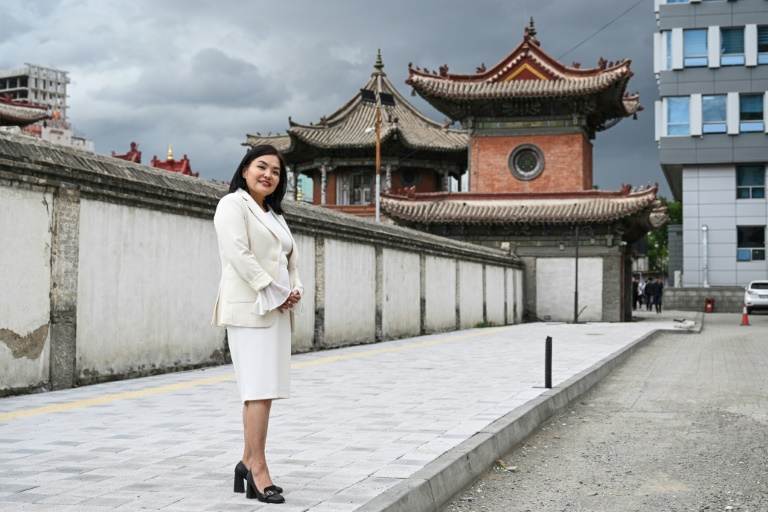
Dorjzodov Enkhtuya, a 51-year-old former television anchor and candidate for the main opposition Democratic Party, encapsulates the momentum behind this shift. She emphasizes the necessity of quotas in today’s era, pointing out the scarcity of women in leadership. Enkhtuya’s assertion that “we are changing the game” reflects a broader determination among female candidates to break through longstanding barriers.
Patriarchal Norms and Rural Challenges
Mongolia’s vast rural regions, where nomadic traditions prevail, are particularly resistant to gender equality. Strict patriarchal norms govern social roles, limiting women’s opportunities for leadership. However, incremental progress is visible even in these areas. In 2022, Enkhbat Bolormaa became the country’s first female provincial governor in Khovd province, a historic appointment that challenged traditional views about women’s roles in governance.
Her appointment sparked national debate, highlighting the tension between modern governance and traditional customs, such as male-exclusive participation in certain ceremonies. Khurelbaatar Baasanjargal, a lawyer and ruling party candidate, noted that Bolormaa’s performance as governor demonstrated women’s capability to fulfill roles traditionally held by men, signaling a shift in rural attitudes.
Women Candidates Address Everyday Issues Affecting Families
Women running for office often highlight how societal problems disproportionately impact women and families. Urban challenges such as air pollution, inadequate city planning, and inflation affect working mothers who frequently bear the responsibility of childcare and household management. These candidates argue that addressing women’s issues is integral to improving the quality of life for all Mongolians.
Baatarjav Munkhsoyol, a 41-year-old candidate from the minor centre-right HUN party, emphasizes the additional hurdles women face in politics, including the high financial costs of campaigning and prevalent smear tactics. She notes that corruption, which Transparency International reports has worsened since 2016, discourages women from entering politics. Munkhsoyol points out that traditional mindsets and gender stereotypes contribute to men’s dominance in politics, but also that many men involved are corrupt, reinforcing women’s reluctance to participate.
Institutional Progress and Persistent Challenges
Despite the obstacles, Mongolia’s institutions show signs of progress. Women make up nearly two-thirds of civil servants, indicating growing female participation in public administration. The current 30 percent quota for women candidates is a step forward, with plans to increase it to 40 percent in future elections.
However, violence against women remains a critical issue. According to the United Nations Development Programme, two-thirds of Mongolian women have experienced some form of abuse, including physical, sexual, emotional, or economic violence. This pervasive problem poses a significant barrier to women’s full participation in society and politics.
Enkhtuya advocates for raising the quota to 50 percent, arguing that women are more likely to protect women and champion policies that address gender-based violence and inequality. Her stance underscores the belief that increasing women’s political representation is essential for meaningful societal change.
Inspiring Future Generations and Changing Mindsets
Beyond policy and representation, women politicians are actively working to inspire young girls to envision broader possibilities for their futures. Baasanjargal recounts meeting an elderly woman in the remote Dornod province who expressed relief that women’s human rights are now openly discussed, suggesting that awareness can reduce suffering.
Baasanjargal also shares her efforts to encourage two 10-year-old girls to dream big and pursue any career they desire, emphasizing that women are capable of excelling in all fields. This mentorship reflects a broader commitment among female politicians to serve as role models and agents of cultural change, challenging traditional gender roles and encouraging empowerment from a young age.
What this means
Mongolia’s political landscape is undergoing a significant transformation as women challenge entrenched patriarchal norms and seek greater representation. Legal reforms mandating female candidate quotas have opened doors for more women to participate in elections, while shifting attitudes in both urban and rural areas reflect a growing acceptance of women’s leadership. Yet, persistent challenges such as gender-based violence and corruption continue to hinder progress. The determination of women politicians to address these issues and inspire future generations offers hope for a more inclusive and equitable political future in Mongolia.
Originally reported by digitaljournal.com. Adapted for our readers with AI assistance.
Obi says his wife funds her own purchases. This analysis separates his explanation, unverified handbag prices and the evidence needed to assess public spending.
Yari says the APC will emphasise Tinubu’s achievements in 2027. This analysis explains how voters can examine outcomes, baselines and campaign evidence.