Politics
How Minnesota Figures Into the Presidential Politics of Insulin Prices
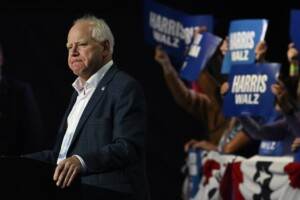
Politics tamfitronics Minnesota Gov. Tim Walz attends a rally in Asheville, North Carolina, on Sept. 17. Minnesota led the way on in...
TAMFIS NIG LTDRC 8067447CAC ACTIVEFinima, Bonny Island, Rivers State

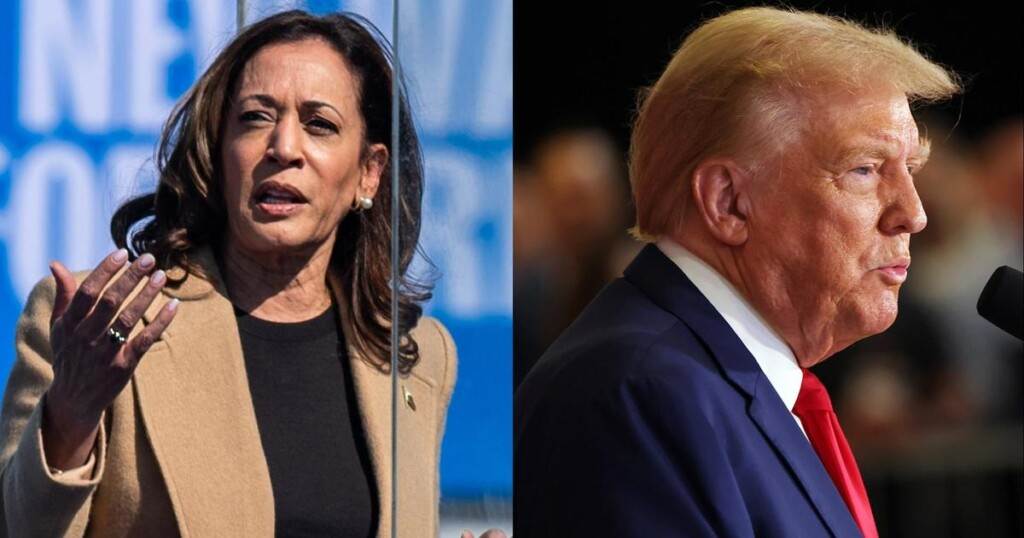
The upcoming Harris-Trump debate is poised to be one of the most consequential political events of the year. As former President Donald Trump and Vice President Kamala Harris prepare to face off, the nation watches closely to see how their contrasting styles, policies, and strategies will unfold on stage. This debate will not only offer insights into their political agendas but also test their ability to connect with voters, especially in battleground states like Pennsylvania. This article provides a detailed preview of what to expect, highlighting key issues, debate dynamics, and the potential impact on the 2024 election cycle.
The Harris-Trump debate occurs against a backdrop of intense political polarization and pressing national issues. With the 2024 presidential election drawing near, both candidates aim to solidify their bases while appealing to undecided voters. The debate serves as a critical platform for them to articulate their visions for America's future and respond to recent developments in policy and governance.
Former President Donald Trump, seeking to reclaim the presidency, will likely emphasize his record and critique the current administration's handling of the economy, immigration, and foreign policy. Meanwhile, Vice President Kamala Harris is expected to defend the administration's achievements while highlighting Trump's previous term's controversies and shortcomings.
This debate also reflects broader themes such as the role of leadership during crises, the economy's trajectory, and social justice issues. Observers anticipate that the candidates will not only discuss policy but also engage in a battle of personalities, with each trying to dominate the narrative heading into the election season.
Economic recovery and inflation are expected to be central topics, given their direct impact on voters’ daily lives. Trump may criticize the current administration's economic policies, framing them as ineffective or harmful, while Harris will likely defend measures taken to stabilize the economy and promote growth.
Healthcare remains a pivotal issue, especially with ongoing debates about coverage, affordability, and public health preparedness. Harris may push for expansions in healthcare access and reforms, whereas Trump might focus on deregulation and market-driven solutions.
Climate change and environmental policy are also anticipated to feature prominently. Harris, representing the Biden administration’s commitment to clean energy and sustainability, will likely contrast her stance with Trump’s previous skepticism and deregulation approach, appealing to voters concerned about environmental stewardship.
Donald Trump is known for his aggressive debate style, often using interruptions and direct attacks to unsettle opponents. In this debate, he may aim to control the conversation by staying on message and appealing to his core supporters' sentiments, particularly emphasizing themes of patriotism and economic revitalization.
Kamala Harris, on the other hand, has a reputation for poised and assertive discourse. Her strategy may involve calmly rebutting Trump’s claims while highlighting her experience and policy expertise. She will likely focus on connecting with moderate and swing voters, especially in key battleground states.
Both candidates will need to balance assertiveness with composure. Missteps or overly aggressive tactics could alienate undecided voters, making their demeanor and communication skills as critical as their policy positions.
Pennsylvania, Michigan, and Wisconsin are among the key battleground states where the debate’s impact could be decisive. Harris will need to resonate with working-class voters and suburban families concerned about economic stability and public safety.
Trump’s focus in these regions will likely emphasize job creation, law and order, and skepticism toward current administration policies. His approach aims to rekindle the support that helped him win these states in previous elections.
Demographically, the debate will be critical in attracting younger voters, women, and minority groups. Harris’s ability to engage these constituencies with clear, relatable messaging could enhance her standing, while Trump will seek to galvanize his base and sway undecided voters through appeals to tradition and economic opportunity.
Media coverage before, during, and after the debate will shape public perception significantly. Networks and analysts will scrutinize candidates’ performances, fact-check statements, and highlight moments that resonate or spark controversy.
Social media platforms will amplify debate highlights, memes, and real-time reactions, influencing how various demographic groups interpret the event. Both campaigns will likely leverage digital strategies to maximize positive coverage and mitigate negative narratives.
Public perception following the debate can shift momentum in the race. A strong performance may lead to increased fundraising and volunteer enthusiasm, while a poor showing could raise doubts about a candidate’s viability or leadership qualities.
One challenge for Trump will be maintaining focus and message discipline amid potential provocations or interruptions. His ability to stay on topic could determine how effectively he communicates his platform to undecided voters.
Harris faces the challenge of breaking through Trump’s dominant media presence and addressing criticisms about her past political record. She must articulate a compelling vision that balances progressive ideals with pragmatic governance.
Uncertainties also stem from the debate format, moderator style, and rules, which can influence the flow and tone of the conversation. Unexpected moments or technical issues could alter the dynamic, making adaptability a key asset for both candidates.
This debate is historically significant as it features a former president and a sitting vice president, underscoring the high stakes of the 2024 election. Their exchange will be closely analyzed for indications of future policy directions and leadership styles.
The outcome could influence voter enthusiasm and turnout, particularly among groups that feel energized or disillusioned by the candidates’ performances. It may also set the tone for subsequent debates and campaign events.
Long-term implications extend beyond the election, as the debate highlights the evolving nature of political discourse in America. It reflects broader societal divisions and the challenges of governing a diverse and polarized electorate.
Viewers should prepare by familiarizing themselves with the candidates’ platforms, recent news, and major policy debates. Understanding the context will enhance the ability to critically evaluate their arguments and claims.
Engaging with fact-checking resources during and after the debate can help distinguish between rhetoric and substantiated policy proposals. Reliable sources will be essential to navigate the fast-paced and often contentious exchange.
Finally, participating in discussions with friends, family, or online communities can provide diverse perspectives and deepen understanding. The debate is not only a political event but also an opportunity for civic engagement and informed decision-making.
The Harris-Trump debate promises to be a defining moment in the 2024 presidential race, offering voters a clear window into the candidates’ visions and leadership capabilities. As both contenders seek to sway public opinion, the debate will test their ability to communicate effectively, handle pressure, and address the nation’s most pressing challenges. By understanding the political context, key issues, and strategic dynamics at play, viewers can engage more thoughtfully with the event and its implications for America’s future.
Originally reported by cbsnews.com. Adapted for our readers.
Keep reading
Politics
Politics tamfitronics Minnesota Gov. Tim Walz attends a rally in Asheville, North Carolina, on Sept. 17. Minnesota led the way on in...
Politics
Deji Adeyanju; Niger State Mining Victims Human rights lawyer and activist, Deji Adeyanju, has accepted his appointment as a member of the Federal Government’s…
Politics
Democracy, Featured, Global, Global Governance, Headlines, International Justice, IPS UN: Inside the Glasshouse, TerraViva United Nations UNITED NATIONS, Sep 11 2026 (IPS) – When…
TAMFIS NIG LTD
Electrical and instrumentation engineering, bid preparation and consulting, IT and software.