
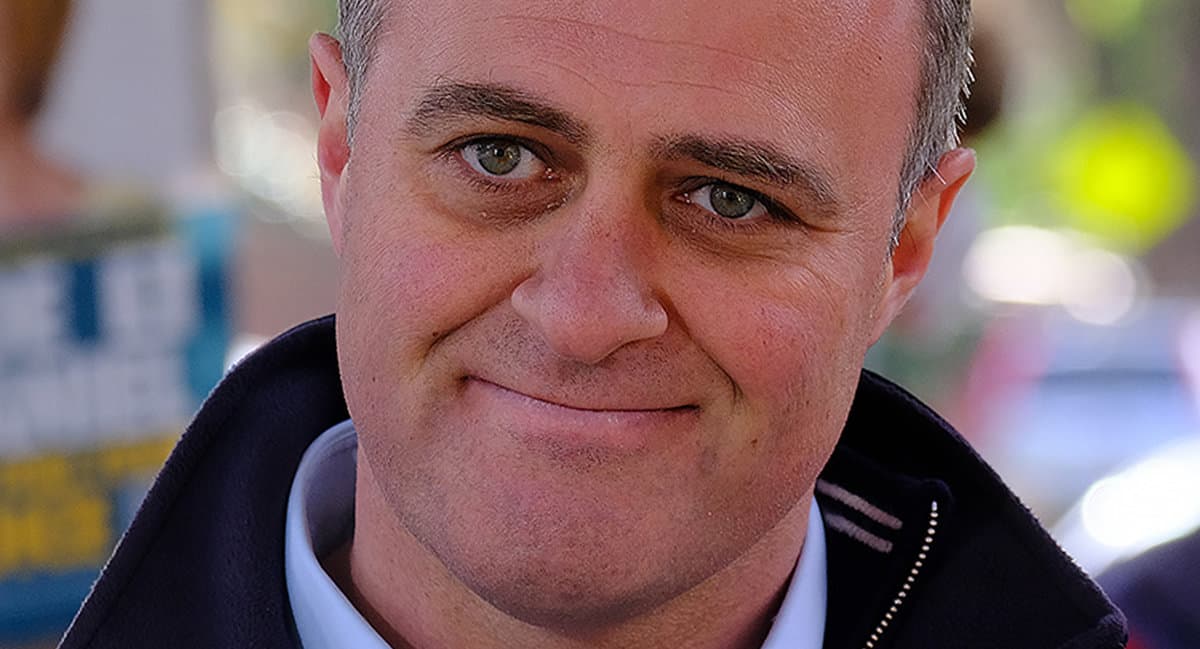
Tim Wilson, once a prominent Liberal MP for Goldstein and known for his libertarian views and frequent social media presence, lost his seat to independent Zoe Daniel in the 2022 federal election. Since then, many have wondered what the former 'freedom commissioner' has been doing apart from his often cringe-inducing tweets. This comprehensive article explores Wilson’s recent activities, from his political comeback efforts and academic pursuits to his public appearances and the controversies surrounding him. By understanding these facets, we gain insight into his evolving role in Australian politics and what to expect from him in the near future.
Tim Wilson’s Political Comeback: Securing Preselection in Goldstein
Despite losing his Goldstein seat in 2022 to independent Zoe Daniel, Tim Wilson has not retreated from the political arena. Recently, he secured preselection as the Liberal candidate for Goldstein ahead of the next federal election. This move signals his intention to reclaim the seat and reestablish his political influence within the Liberal Party and his constituency.
Wilson’s preselection victory was notable because he defeated strong contenders, including Stephanie Hunt, a former adviser to prominent Liberal figures Julie Bishop and Marise Payne, and Colleen Harkin, a rival from his former employer, the Institute of Public Affairs. This internal contest highlighted Wilson's continued support within the party’s moderate faction and his ability to mobilize backing despite previous electoral setbacks.
The preselection battle also reflects broader tensions within the Liberal Party, especially as moderate Liberals like Wilson strive to maintain relevance amid shifting party dynamics. His return to the political fray raises questions about how he will position himself on key issues and whether he can regain the trust of voters who previously favored his independent opponent.
Academic Endeavors: Pursuing a PhD in Economics
Beyond politics, Tim Wilson has embarked on an academic journey by studying for a PhD in economics. His research reportedly focuses on alternative models for carbon markets, including the use of tokenisation and derivatives markets. This academic pursuit suggests a shift towards policy expertise and a desire to contribute intellectually to complex economic and environmental issues.
Wilson’s PhD studies align with his longstanding interest in market-based solutions and libertarian economic principles. By engaging with emerging financial instruments like tokenisation, he appears to be exploring innovative approaches to climate policy that could influence future Liberal Party platforms or governmental policy frameworks.
However, the technical nature of his research has raised eyebrows among observers who question how this academic focus will translate into practical political strategies. It remains to be seen whether Wilson’s economic insights will help him resonate with constituents or simply add to his image as a somewhat detached technocrat.
Controversies and Public Perception: The Cringe Factor
Tim Wilson’s public image has often been colored by his social media activity, particularly his cringe-worthy tweets that range from awkward congratulations to tone-deaf political commentary. These moments have contributed to a perception of Wilson as a politician out of touch with everyday voters, sometimes overshadowing his policy work.
One notable incident occurred during the 2023 Anzac Day ceremony in Goldstein. Wilson laid a wreath at the local RSL in the absence of Zoe Daniel, who had a prior commitment. The gesture was met with mixed reactions, including criticism from Daniel’s volunteers who felt Wilson had overstepped by taking a role intended for the MP’s team. Wilson defended his actions by stating he was invited by the RSL, but the episode underscored ongoing tensions between the two politicians.
Such controversies feed into a narrative of Wilson as a polarizing figure, with supporters admiring his principled stances and detractors highlighting his social awkwardness and political missteps. His continued use of social media as a platform for commentary ensures he remains in the public eye, for better or worse.
Policy Positions and Ideological Stance
Tim Wilson has long been associated with moderate Liberalism and libertarian values, advocating for personal freedoms, market solutions, and limited government intervention. His policy positions often emphasize economic prudence, property rights, and individual responsibility, which resonate with certain segments of the Liberal base.
Since his electoral defeat, Wilson has maintained these ideological commitments, using his platform to critique government policies he views as overreaching. For example, he has been vocal about property rights, encouraging constituents to challenge what he terms 'unlawful signs' supporting political opponents, highlighting his confrontational style.
His academic work on carbon markets also reflects a pragmatic approach to environmental policy, seeking market mechanisms to address climate change rather than regulatory mandates. This nuanced stance positions Wilson as a proponent of innovation within conservative frameworks, potentially appealing to moderate and economically minded voters.
Interaction with Party Leadership and Future Prospects
Wilson’s relationship with the broader Liberal leadership has been complex. While he aligns with the moderate wing, the party under Peter Dutton has shifted towards a more conservative direction, potentially complicating Wilson’s efforts to regain prominence. Navigating this internal dynamic will be crucial for his political future.
His preselection for Goldstein suggests that despite ideological shifts, Wilson retains significant grassroots support and the capacity to mobilize voters. However, the party’s overall strategy and messaging will influence whether he can successfully reclaim his seat or if his candidacy will struggle amid changing voter priorities.
Looking ahead, Wilson’s blend of academic credentials and political experience could position him as a thought leader within the party, especially if he leverages his expertise on economic and environmental issues. His ability to balance this intellectual approach with effective constituency engagement will determine his long-term viability.
Media Coverage and Public Engagement
Media coverage of Tim Wilson tends to oscillate between highlighting his policy expertise and emphasizing his social media gaffes. Outlets like Crikey have chronicled his political journey with a mix of critique and intrigue, reflecting his status as a somewhat enigmatic figure in Australian politics.
Wilson’s public engagement extends beyond traditional politics; he frequently participates in panel discussions, writes opinion pieces, and appears in interviews to discuss his areas of interest. This visibility helps maintain his profile and allows him to influence public discourse despite not currently holding office.
However, his social media presence remains a double-edged sword. While it keeps him relevant and accessible, it also opens him up to ridicule and undermines his credibility among some voters. Managing this balance will be key to restoring his political fortunes.
What the Future Holds for Tim Wilson
With the next federal election approaching, Tim Wilson’s political trajectory is poised for a critical test. His preselection signals a determined bid to return to Parliament, but the electoral landscape in Goldstein has evolved, with independent candidates gaining traction and voter sentiments shifting.
Wilson’s academic endeavors and policy focus might help differentiate him from rivals, offering voters a candidate with a substantive platform. However, overcoming the baggage of past controversies and his social media reputation will be essential to broaden his appeal beyond core supporters.
Ultimately, Wilson’s future will depend on his ability to connect authentically with constituents, articulate a compelling vision, and navigate the changing dynamics within the Liberal Party. His journey offers a fascinating case study of resilience and adaptation in contemporary Australian politics.
Conclusion
Tim Wilson’s post-defeat period has been marked by a mix of political resilience, academic ambition, and public controversy. His efforts to reclaim his seat in Goldstein demonstrate a commitment to reengage with voters and influence policy from within the Liberal Party. While his social media antics continue to draw criticism, his intellectual pursuits and policy positions suggest a politician seeking to evolve beyond past missteps. Whether this combination will resonate with an electorate that has recently favored independent representation remains uncertain. Nonetheless, Wilson’s journey offers valuable insights into the challenges and opportunities facing moderate Liberals in Australia’s shifting political landscape.