
News
RUSSIA versus NATO and BRICS vs. NATO Military SWOT
Recall that Poland’s Minister Sikorski’s core claim is partially supported by the numbers, but the framing “quite quickly” and “without the U.S.” does not…
TAMFIS NIG LTDRC 8067447CAC ACTIVEFinima, Bonny Island, Rivers State

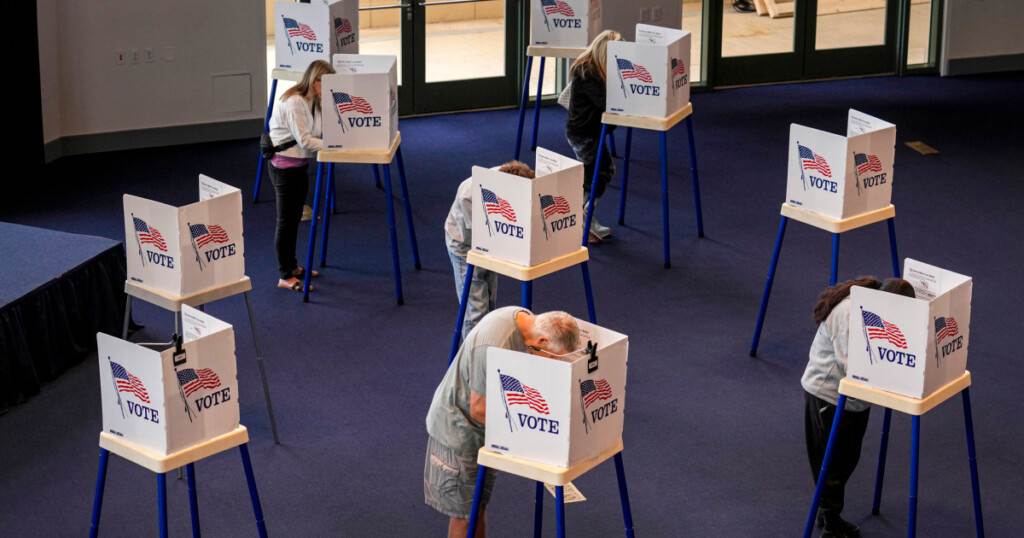
Election nights are a whirlwind of anticipation, analysis, and pivotal moments that can shape the political landscape for years to come. Steve Kornacki, NBC News’ resident political analyst and data guru, is renowned for his meticulous breakdowns and insightful coverage. Tonight, as polls close and results begin to roll in, Kornacki is focusing on several crucial battleground counties and electoral dynamics that could signal the broader direction of the race. This article dives deep into what Kornacki is watching for tonight, offering a comprehensive guide to the key locations, voter demographics, and political trends that will define the evening’s developments.
Battleground counties often serve as microcosms of the national political climate. Their diverse voter bases, shifting allegiances, and historical voting patterns can provide early indications of how the broader electorate is leaning. Steve Kornacki emphasizes these counties because their results tend to foreshadow the overall trajectory of key states and, by extension, the national outcome.
These counties are not chosen at random. They represent demographic, economic, and political crossroads where small shifts in voter behavior can have outsized impacts. Watching these areas closely allows analysts like Kornacki to interpret trends in real time, providing viewers with a clearer understanding of the election’s evolving dynamics.
Moreover, battleground counties often encapsulate the tension between urban, suburban, and rural voters. The interplay among these groups reflects broader societal shifts, such as changing economic priorities, cultural values, and responses to national policies. Kornacki’s focus on these counties helps illuminate these often complex and nuanced electoral forces.
Fayette County, located just south of Fulton County, has emerged as a crucial bellwether in Georgia’s political landscape. Historically a conservative stronghold, Fayette’s recent voting patterns indicate potential shifts that could either bolster or weaken Democratic gains in the state. Kornacki highlights this county as a key indicator of whether the Democratic ‘blue blob’ surrounding Atlanta continues to expand.
The Atlanta metro area has been the engine of Democratic success in Georgia, with counties like Fulton, DeKalb, and Gwinnett consistently delivering strong support. Fayette’s evolving demographics, including increasing diversity and suburban growth, make it a critical test of whether Democratic appeal is broadening beyond traditional urban centers.
For Donald Trump’s campaign, a loss or diminished support in Fayette County could signal erosion among suburban voters—a group that proved decisive in recent elections. Kornacki will be watching Fayette closely for early signs of how suburban voters are leaning tonight, as it may forecast the broader electoral tide across Georgia.
Nash County holds a unique place in North Carolina’s political fabric, having swung between Democratic and Republican candidates in recent presidential elections. It voted for Barack Obama in 2012, Donald Trump in 2016, and Joe Biden in 2020, making it a quintessential swing county that mirrors the state’s overall electoral volatility.
Its demographic composition, with roughly 40% Black residents and a significant working-class population, makes Nash a focal point for understanding how different voter groups are engaging this election cycle. Kornacki will be analyzing turnout and voting patterns here to gauge the enthusiasm and preferences of key constituencies.
The county’s results may offer clues about broader trends in the Southeast, particularly regarding how economic concerns and racial dynamics intersect. Kornacki’s attention to Nash County underscores its potential as an early indicator of North Carolina’s final outcome and the strategies campaigns are employing to win over swing voters.
Lackawanna County, home to Scranton, Pennsylvania, has played a pivotal role in recent elections. In 2016, Hillary Clinton narrowly won here by three points, but Joe Biden expanded that margin to eight points in 2020, partly due to his personal connection to the area. Steve Kornacki is closely monitoring whether Biden’s advantage holds or if the county shifts back toward Trump tonight.
This county’s electorate includes a significant white working-class population alongside a growing Latino community, making it a complex and dynamic political landscape. Shifts here can reflect broader national trends, particularly concerning economic anxieties and cultural issues that resonate with working-class voters.
Kornacki’s analysis will focus on turnout rates and voting patterns in Lackawanna, as it could signal whether Biden’s coalition remains intact or if Trump is regaining ground among key demographics. The county’s outcome may also provide insights into Pennsylvania’s overall battleground status.
Beyond the presidential contest, tonight’s election features numerous ballot measures and down-ballot races that could significantly impact local and national politics. Kornacki emphasizes the importance of these races as early bellwethers for political momentum and voter priorities.
Competitive congressional races in swing districts will be closely scrutinized, as they can influence the balance of power in the House of Representatives. These contests often reflect localized issues and campaign strategies, offering a granular view of the electorate’s mood and policy preferences.
Ballot measures on topics ranging from voting rights to tax policies will also be key indicators of public sentiment. Kornacki’s coverage will integrate these results to provide a holistic picture of the political landscape beyond the headline presidential race.
As vote counting begins, election officials and legal experts anticipate a surge in disinformation and legal challenges aimed at undermining confidence in the electoral process. Kornacki highlights the importance of vigilance and accurate reporting to counteract these efforts and maintain public trust.
Misinformation campaigns can distort perceptions of the vote count and create confusion. Kornacki’s approach involves careful verification of data and clear communication to help viewers discern fact from fiction during the fast-paced election night coverage.
Legal challenges, particularly in key battleground states, have the potential to delay or complicate result announcements. Kornacki will be monitoring these developments closely, providing context and updates to ensure audiences understand the implications without succumbing to speculation or unfounded claims.
Early voting data offers valuable insights into voter enthusiasm and demographic engagement before polls officially close. Kornacki pays close attention to these patterns to anticipate potential shifts and surprises during the main election night returns.
For instance, high turnout among young voters or minority groups in early voting could signal a strong performance for Democratic candidates, while robust early returns in rural or conservative areas might advantage Republicans. Kornacki integrates these trends into his real-time analysis.
Additionally, early voting helps campaigns allocate resources and adjust strategies. Kornacki’s coverage often highlights how early voting results interact with Election Day turnout, providing a nuanced understanding of the electorate’s mood and momentum.
Steve Kornacki’s election night coverage is a staple for political enthusiasts seeking data-driven insights and comprehensive analysis. His work can be followed live on NBC News platforms, including the NBC News NOW streaming service and the NBC News app available on Apple and Google Play.
Kornacki’s unique blend of statistical expertise and engaging presentation style makes his commentary both informative and accessible. Viewers can expect detailed breakdowns of county-level results, voter turnout, and real-time projections throughout the night.
Engaging with Kornacki’s coverage on social media and NBC’s digital platforms also allows audiences to interact, ask questions, and gain deeper understanding as the election unfolds. His coverage remains one of the most reliable sources for decoding the complexities of Election Day.
As the nation watches the results come in, Steve Kornacki’s focus on battleground counties, voter demographics, and key political races offers invaluable guidance through the complexity of Election Night. By analyzing early returns, demographic shifts, and legal developments, Kornacki provides viewers with a clear framework to understand the unfolding political story. Whether in Georgia’s suburbs, North Carolina’s swing counties, or Pennsylvania’s working-class communities, the dynamics Kornacki highlights will be instrumental in shaping the election’s final outcome. Staying informed through his expert analysis ensures that viewers can grasp not only who is winning but why these results matter for the future of American politics.
Originally reported by nbcnews.com. Adapted for our readers.
Keep reading
News
Recall that Poland’s Minister Sikorski’s core claim is partially supported by the numbers, but the framing “quite quickly” and “without the U.S.” does not…
Politics
In August 2025, Zespri, the world’s largest marketer of kiwifruit, announced that the European Commission had approved what it described as the first health…
News
By Engr. Tamunofiniarisa BrownReading Time: 6 Minutes The conflict between Russia and Ukraine is often framed in the media as a simple battle between…
TAMFIS NIG LTD
Electrical and instrumentation engineering, bid preparation and consulting, IT and software.