
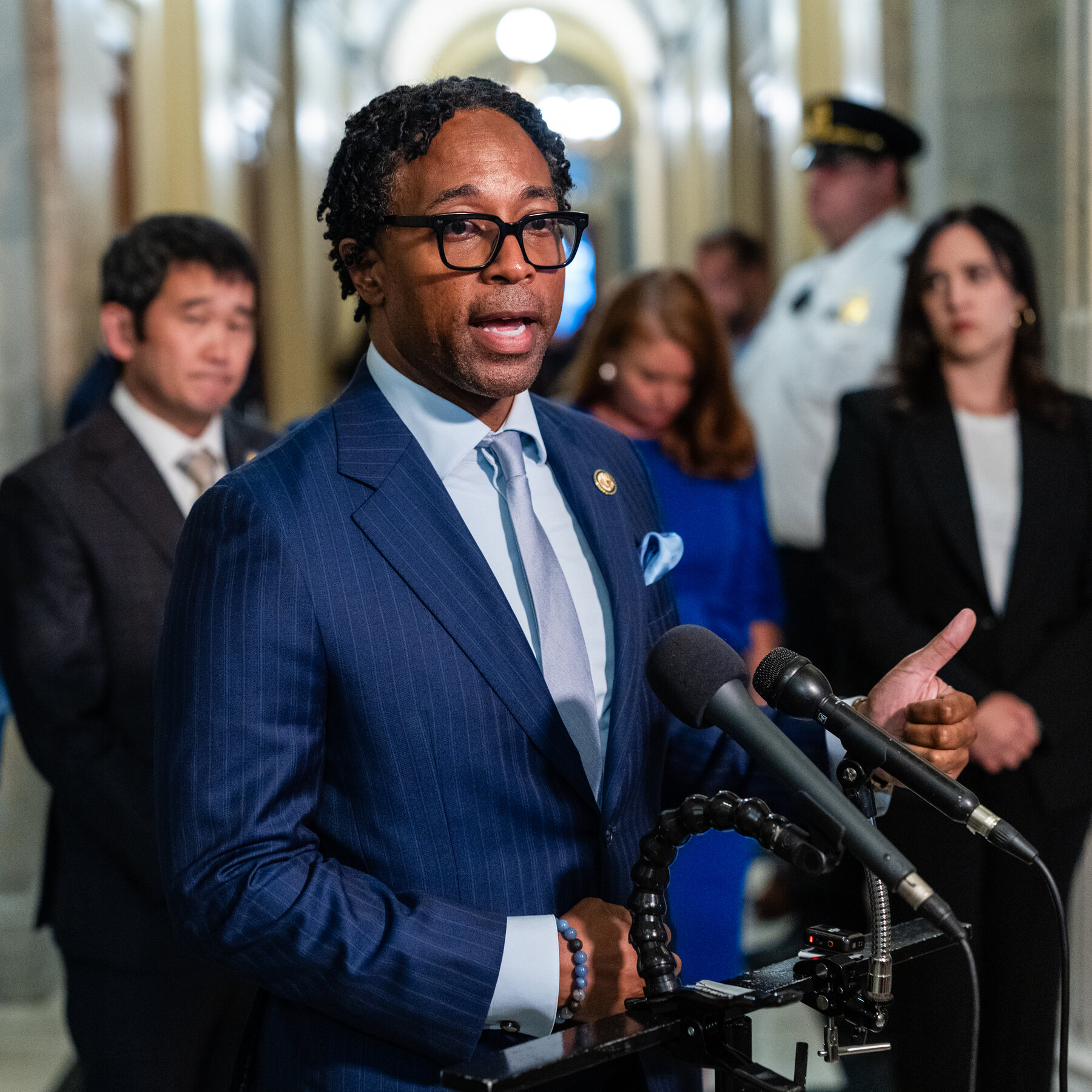
The recent Missouri Democratic primary concluded with Wesley Bell defeating incumbent Representative Cori Bush in a highly anticipated rematch. This victory marks a significant turning point in Missouri's political landscape, as Bell now stands poised to represent a safely Democratic district in the upcoming general election. This article delves into the background of the contest, the factors behind Bell's win, the contrasting political styles of the candidates, and the broader implications for Missouri's political future.
Background of the Missouri Democratic Primary Rematch
The Missouri Democratic primary featured a high-profile rematch between Wesley Bell and Cori Bush, the incumbent representative whom Bell had previously challenged. Bush, known for her progressive activism and focus on social justice, had captured attention as a prominent voice within the Democratic Party. Bell, a former prosecutor, positioned himself as a pragmatic alternative, emphasizing community engagement and effective governance.
This rematch attracted significant attention due to the contrasting political philosophies and the stakes involved in a district that is safely Democratic. The primary effectively served as the decisive contest for the congressional seat, given the district's partisan leaning. Both candidates campaigned vigorously, highlighting their records and visions for the district's future.
Key Factors Behind Wesley Bell’s Victory
Wesley Bell’s victory can be attributed to a combination of factors that resonated with a broad spectrum of Democratic voters. His prior experience and familiarity with the district enhanced his credibility and voter trust. Bell’s campaign strategy focused on pragmatic solutions to local issues, including economic development, public safety, and community well-being.
Bell’s outreach efforts successfully mobilized diverse demographic groups within the district, addressing concerns that ranged from job creation to education. His message of inclusive growth and practical governance appealed to voters seeking effective representation beyond ideological divides.
Moreover, the district’s safe Democratic status meant that the primary was the critical battleground. Bell’s ability to unite various factions within the party and present a compelling alternative to Bush’s progressive platform proved decisive in securing the nomination.
Implications for the November General Election
With the district’s strong Democratic leaning, Wesley Bell enters the November general election as the heavy favorite. His primary victory not only secures the party’s nomination but also positions him as the likely next representative for the district.
The general election is expected to be less competitive, reflecting the district’s political composition. However, Bell’s performance will be closely observed as a measure of voter satisfaction and the effectiveness of his campaign messaging.
Bell’s approach suggests a focus on pragmatic governance and community development, which may differ in tone and emphasis from his predecessor’s progressive activism. Voters can anticipate legislative priorities that address local economic and social issues through practical solutions. This continuity in Democratic representation, coupled with a shift in style, highlights the evolving political dynamics within the district.
Comparing Political Approaches: Bell vs. Bush
The contest between Wesley Bell and Cori Bush underscored the ideological diversity within the Democratic Party. Bush’s tenure was marked by her progressive activism, emphasizing social justice, systemic reform, and grassroots mobilization. Her approach energized voters seeking transformative change and a strong advocacy for marginalized communities.
In contrast, Bell’s campaign centered on pragmatic problem-solving and broad community engagement. He emphasized addressing immediate local concerns such as economic opportunity and public safety, aiming to appeal to a wider range of constituents.
This primary outcome may indicate a voter preference for a more centrist or pragmatic approach in this district, reflecting desires for effective governance and tangible results. Nonetheless, progressive voices like Bush’s continue to hold significant influence within the party, shaping policy debates and priorities at multiple levels.
What This Means for Missouri’s Political Landscape
Wesley Bell’s primary victory signals a nuanced shift within Missouri’s Democratic base, highlighting ongoing debates between progressive and pragmatic approaches to governance. His win may encourage candidates who prioritize community-focused, practical solutions to local issues to seek office in future elections.
The result also underscores the importance of voter engagement and coalition-building in determining electoral outcomes. Bell’s ability to mobilize diverse groups and address a broad range of concerns reflects evolving strategies within the party to maintain electoral strength in competitive environments.
As Bell prepares for the general election, his performance will contribute to shaping Missouri’s political narrative. The outcome may influence future primary contests and the balance of ideological perspectives within the state’s Democratic Party, reflecting broader national trends.
Furthermore, Bell’s victory in a district that has been a focal point for progressive activism suggests a recalibration of political priorities among voters, balancing calls for systemic change with demands for effective day-to-day governance. This dynamic interplay will likely continue to define Missouri’s Democratic politics in the coming years.
What this means
Wesley Bell’s primary victory over Cori Bush represents a pivotal moment in Missouri’s political landscape, reflecting the complex preferences of Democratic voters in the district. As Bell moves forward as the presumptive nominee, his pragmatic approach to governance is set to shape the district’s representation in Congress. While the general election is anticipated to confirm his position, the primary outcome provides valuable insight into the evolving dynamics within the Democratic Party and the electorate’s priorities. Observers will be keen to see how Bell balances effective governance with the progressive aspirations that continue to influence the district’s political discourse.
Source: Wesley Bell Defeats Cori Bush in Missouri via www.nytimes.com.
This article was curated with AI assistance and reviewed according to Tamfis editorial settings.