News
RUSSIA versus NATO and BRICS vs. NATO Military SWOT
Recall that Poland’s Minister Sikorski’s core claim is partially supported by the numbers, but the framing “quite quickly” and “without the U.S.” does not…
TAMFIS NIG LTDRC 8067447CAC ACTIVEFinima, Bonny Island, Rivers State

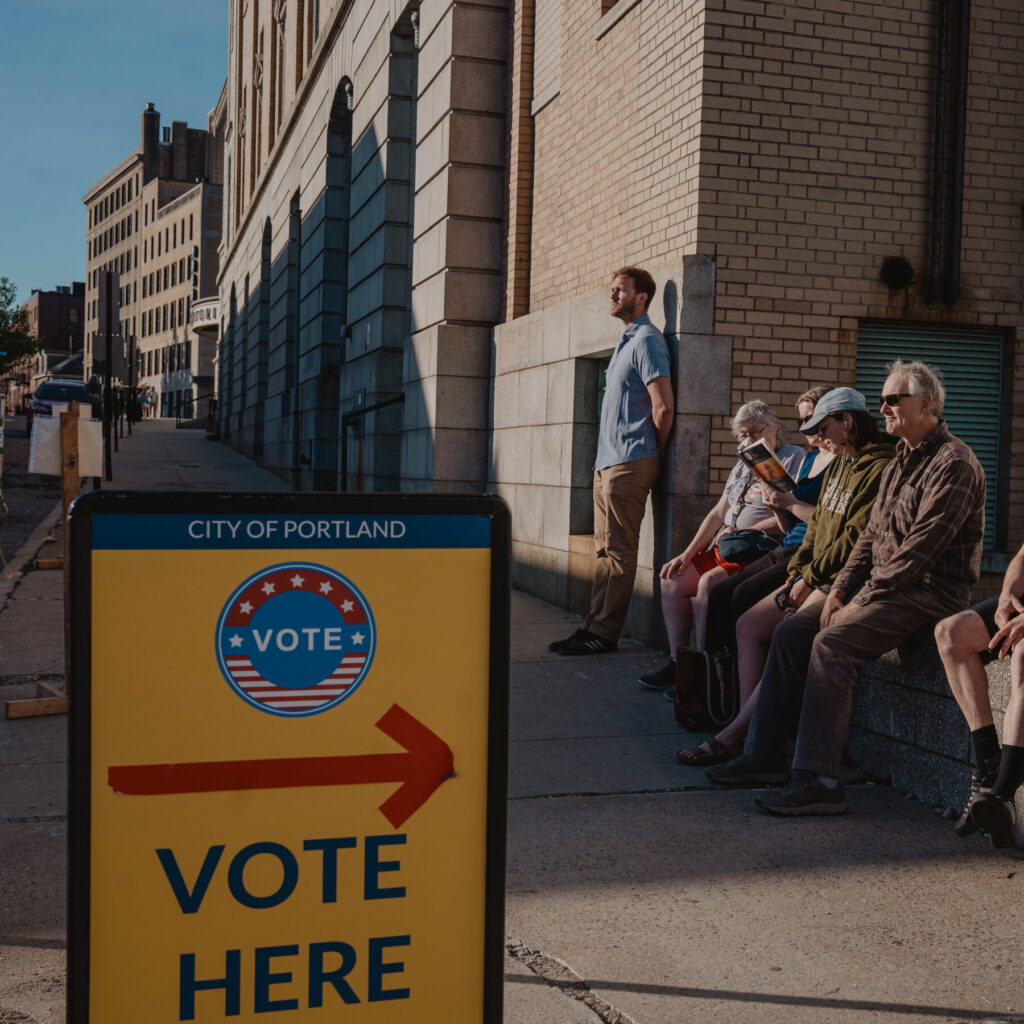
As political polarization continues to dominate headlines, a new poll conducted by The New York Times and Siena College sheds light on an intriguing dynamic in voter perceptions. While national political parties are often portrayed as deeply divided and extreme, voters in pivotal battleground states tend to see the individual candidates nominated by these parties as more moderate and less ideologically rigid. This distinction offers important insights into how Americans engage with politics and the potential implications for election outcomes, especially in regions where electoral margins are tight.
The New York Times/Siena poll surveyed voters across several battleground states, which are critical in determining the outcome of national elections. These states often feature a diverse mix of urban, suburban, and rural populations, making them representative of broader national political dynamics. The poll’s findings reveal a consistent pattern: voters perceive the national Democratic and Republican parties as positioned further to the left or right, respectively, than the candidates those parties have selected to represent them.
This perception suggests that while party platforms and rhetoric may appear polarized, the nominees themselves often adopt more centrist or moderate stances. Voters seem to differentiate between the broader party identity and the individual qualities or positions of candidates, indicating a more nuanced understanding of political representation. Such distinctions may reflect voters’ recognition that candidates must appeal to a wider electorate beyond the party base to succeed in competitive races.
Moreover, this distinction between party and candidate extremity highlights the complexity of political identity in the United States. While party labels carry strong ideological connotations, the candidates often tailor their messaging to resonate with local concerns and the diverse priorities of their constituencies. This approach can soften perceptions of extremism and foster a more pragmatic image that appeals to a broader voter base.
The gap between perceptions of party extremity and candidate moderation carries significant implications for campaign strategies. Candidates may benefit from emphasizing their moderate positions and distancing themselves from the more extreme elements of their party's national image. This approach can appeal especially to swing voters and independents who might be wary of polarized politics but remain open to pragmatic leadership and compromise.
Political parties, on the other hand, face the challenge of balancing their core ideological base with the broader electorate's preference for moderation. Overly extreme party platforms risk alienating moderate voters, while candidates who stray too far from party orthodoxy may face backlash from their base. Navigating this tension requires careful messaging and strategic positioning to maintain party unity while expanding electoral appeal.
Campaigns in battleground states often reflect this balancing act, as candidates tailor their messaging to address the unique political landscape of each region. For example, emphasizing bipartisan cooperation or focusing on local economic issues can help candidates transcend national partisan divides, making their campaigns more relatable and effective in persuading undecided voters.
Battleground states, often characterized by a mix of urban and rural populations and diverse political views, serve as critical testing grounds for how political messages resonate with voters. The poll's focus on these states highlights the importance of candidate positioning in regions where elections are closely contested and can swing the balance of power nationally.
In these states, voters' preference for moderate candidates over perceived extreme party positions underscores the potential for candidates to bridge divides and attract a broad coalition of support. This dynamic can influence not only local election outcomes but also the national political landscape, as success in battleground states often determines control of Congress and the presidency.
The diversity within battleground states means that candidates must be adept at addressing a wide range of issues—from economic concerns in rural areas to social and cultural priorities in urban centers. This multifaceted electorate demands nuanced approaches that go beyond partisan rhetoric, further reinforcing the value of moderation and adaptability in political campaigns.
The poll's findings contribute to a broader conversation about political polarization in the United States. While media coverage and political discourse often emphasize stark divisions and ideological entrenchment, voters themselves may hold more complex and differentiated views. Recognizing the difference between party ideology and candidate appeal suggests that polarization is not always as rigid as it appears on the surface.
This complexity in voter behavior indicates opportunities for political leaders to engage with constituents beyond partisan labels, focusing on issues and policies that resonate across the political spectrum. It also highlights the importance of candidate authenticity and the ability to connect with voters on shared concerns rather than solely relying on party loyalty.
Furthermore, the perception gap between parties and candidates may reflect voters’ desire for practical governance and problem-solving over ideological purity. This suggests that candidates who demonstrate flexibility and a willingness to work across the aisle may find increased support, especially among independents and moderate voters seeking effective leadership.
Despite the potential advantages of candidate moderation, political parties must navigate internal tensions between their ideological factions and the need to win elections. Balancing these competing demands requires careful messaging and strategic candidate selection to ensure both party cohesion and broad electoral appeal.
Candidates themselves face the challenge of maintaining authenticity while appealing to a wide range of voters. Striking this balance is essential for building trust and securing electoral success in an environment where party extremism is often highlighted. The ability to present oneself as a pragmatic problem-solver rather than a partisan ideologue may prove decisive in closely contested races.
Looking ahead, both parties and candidates will need to adapt to an electorate that increasingly values moderation and practical solutions. This may involve rethinking traditional campaign tactics and embracing more inclusive messaging that addresses the diverse concerns of voters across the political spectrum.
The New York Times/Siena poll offers valuable insights into how voters perceive political extremism, revealing a clear distinction between the national parties and their candidates. This nuanced view challenges the prevailing narrative of unyielding polarization and highlights opportunities for candidates to connect with a broader electorate through moderation. As political parties and candidates prepare for upcoming elections, recognizing and addressing this dynamic will be critical to winning support in closely contested regions and beyond. Ultimately, these findings underscore the potential for political engagement that transcends rigid ideological divides, fostering a more inclusive and pragmatic democratic process.
Originally reported by nytimes.com. Adapted for our readers with AI assistance.
Keep reading
News
Recall that Poland’s Minister Sikorski’s core claim is partially supported by the numbers, but the framing “quite quickly” and “without the U.S.” does not…
Politics
In August 2025, Zespri, the world’s largest marketer of kiwifruit, announced that the European Commission had approved what it described as the first health…
News
By Engr. Tamunofiniarisa BrownReading Time: 6 Minutes The conflict between Russia and Ukraine is often framed in the media as a simple battle between…
TAMFIS NIG LTD
Electrical and instrumentation engineering, bid preparation and consulting, IT and software.