
Politics
Science vs politics: Kiwi’s long road to EU health-claim approval
In August 2025, Zespri, the world’s largest marketer of kiwifruit, announced that the European Commission had approved what it described as the first health…
TAMFIS NIG LTDRC 8067447CAC ACTIVEFinima, Bonny Island, Rivers State

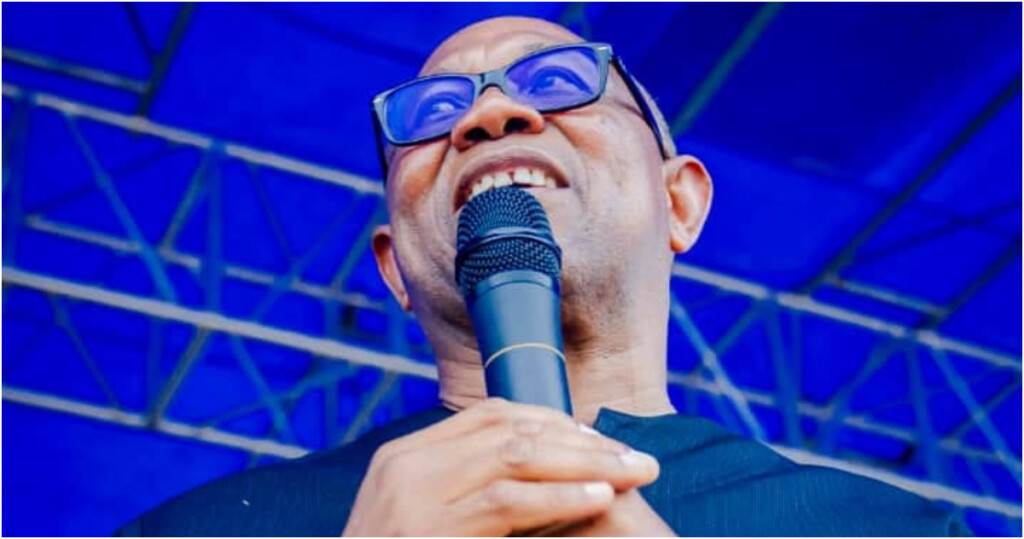
In recent discourse surrounding Nigeria's socio-political landscape, a provocative yet insightful perspective has emerged from former Labour Party presidential candidate Peter Obi. He calls for a fundamental rethinking and dismantling of the currently intertwined structures of politics and church activities. Obi emphasizes that the excessive focus on religious engagements, such as night vigils, coupled with political distractions, detracts from the nation's productivity and economic advancement. This article delves into Obi’s rationale, examines the broader implications of blending politics and religion, and discusses the urgent need for reforms to foster a more balanced and prosperous society.
Nigeria’s socio-political fabric is deeply woven with religious influence, where both politics and church activities play dominant roles in daily life. This intricate relationship often blurs the boundaries between governance and faith, leading to a unique but complex dynamic. Political campaigns frequently leverage religious platforms to gain support, while religious institutions sometimes wield political power, shaping public opinion and policy decisions.
Such interdependence can create challenges, particularly when religious interests overshadow national priorities. The fusion of these spheres can lead to favoritism, policy biases, and societal divisions that hinder objective governance. This entanglement often results in a scenario where political motives are masked by religious rhetoric, complicating efforts to address pressing economic and social issues effectively.
Peter Obi’s call to dismantle this interplay stems from the belief that separating politics from religious dominance is essential for Nigeria’s growth. By reducing the overemphasis on church activities within political discourse, there is potential to refocus energies on development, innovation, and inclusive governance that transcends religious affiliations.
Obi highlights that the proliferation of church activities, such as night vigils and frequent religious gatherings, significantly detracts from the workforce’s productivity. Many Nigerians spend substantial time participating in these events, which, while spiritually fulfilling, can interfere with economic activities and working hours. This cultural norm, deeply embedded in society, often prioritizes religious observances over professional commitments.
The dominance of church signboards and the prominence of religious events in public spaces symbolize this pervasive influence. In regions like the southeastern part of Nigeria, social calendars are frequently occupied by religious ceremonies, including burials and church programs, which can disrupt community productivity and social cohesion.
By advocating for a shift from 'night vigils to night shifts,' Obi emphasizes the need to balance spiritual life with economic responsibilities. His proposition encourages Nigerians to channel their time and energy towards work and entrepreneurship, fostering an environment where faith complements rather than compromises productivity and national development.
Politics in Nigeria, often characterized by intense rivalry and patronage systems, can become a distraction from addressing fundamental issues like infrastructure, education, and healthcare. The entanglement with religious groups sometimes exacerbates this problem, as politicians seek religious endorsements rather than focusing on policy effectiveness.
This environment creates a cycle where political ambitions are intertwined with religious validation, diverting attention from governance to popularity contests. Consequently, essential reforms may be delayed or ignored in favor of maintaining political alliances and appeasing religious constituencies.
Obi’s call to dismantle this political-religious nexus is a plea for prioritizing national interest over sectarian or political gains. By reducing these distractions, Nigeria can pave the way for more transparent, accountable, and results-driven leadership focused on sustainable development.
Peter Obi acknowledges his Christian faith, demonstrating that his critique is not an attack on religion itself but rather on the excesses that impede progress. He advocates for moderation in religious engagements, urging citizens to respect their spiritual commitments without allowing them to hinder economic and social advancement.
This balanced approach calls for a society where faith and governance coexist without one overpowering the other. Religious institutions can continue to play vital roles in moral guidance and community building while remaining separate from political machinations that risk corruption and inefficiency.
Implementing this balance requires open dialogue between religious leaders, politicians, and civil society. Promoting mutual respect and understanding can help redefine the roles of church and state, ensuring both contribute positively to Nigeria’s growth without causing societal stagnation.
Cultural norms, such as the prominence of burial ceremonies in the southeastern region, reflect deep-rooted social values but can also hinder economic progress. These events often involve extensive time and resources, which might otherwise be directed towards productive ventures. Obi points out that such practices, while culturally significant, should not dominate societal life to the detriment of national development.
The prioritization of these social events over economic activities can contribute to a cycle of limited growth and missed opportunities. Communities may find themselves trapped in rituals that, although important, require reevaluation in the context of contemporary socio-economic challenges.
Addressing these cultural implications involves sensitization and education, encouraging communities to honor traditions while embracing change. This approach can foster a culture that values productivity alongside heritage, ensuring that cultural practices evolve to support rather than impede societal advancement.
Separating politics from church influence offers the potential to create a more secular and inclusive political environment. This shift could reduce religious bias in policymaking, ensuring that laws and regulations serve the entire population fairly, regardless of faith or background.
A dismantled political-religious nexus might also encourage greater political accountability and transparency. When politicians are less reliant on religious endorsements, they may focus more on delivering tangible results and addressing citizens’ needs effectively.
Furthermore, this separation can promote national unity by minimizing sectarian tensions and fostering a shared identity based on citizenship and common goals. It paves the way for a society where diversity is respected, and governance prioritizes collective progress over divisive interests.
Despite the compelling arguments for reform, dismantling the close ties between politics and church is fraught with challenges. Many religious institutions wield significant influence and may resist changes perceived as threats to their authority or social role.
Politicians, too, may be reluctant to sever these connections, given the electoral advantages that religious endorsements provide. Such resistance can slow reform efforts and sustain the status quo, making it difficult to implement meaningful change.
Overcoming these obstacles requires persistent advocacy, public education, and building coalitions that support reform. It involves engaging stakeholders across religious, political, and civil society sectors to foster understanding and collaboration aimed at long-term national benefit.
Moving forward, Nigeria must embrace reforms that encourage a clear separation between church and state while respecting religious freedom. Establishing legal frameworks that delineate these boundaries can help institutionalize this separation and prevent undue influence.
Promoting civic education and public awareness about the benefits of this separation can empower citizens to demand accountability and prioritize productivity. Encouraging community dialogues and interfaith initiatives can also build bridges and reduce sectarian divides.
Ultimately, fostering a culture where political and religious institutions operate independently yet respectfully can unlock Nigeria’s full potential. This transformation aligns with Peter Obi’s vision of turning night vigils into night shifts, symbolizing a collective commitment to progress, innovation, and balanced societal growth.
Peter Obi’s call to dismantle the close relationship between politics and church activities in Nigeria is a bold yet necessary proposition for the country’s advancement. By addressing the excessive dominance of religious engagements and political distractions, Nigeria can redirect its energies towards economic productivity and inclusive governance. Achieving this balance requires collective effort, open dialogue, and a willingness to reform entrenched cultural and political practices. Embracing such changes promises a future where faith and governance coexist harmoniously, supporting a united, progressive, and prosperous nation.
Originally reported by pulse.ng. Adapted for our readers.
Keep reading
Politics
In August 2025, Zespri, the world’s largest marketer of kiwifruit, announced that the European Commission had approved what it described as the first health…
News
By Engr. Tamunofiniarisa BrownReading Time: 6 Minutes The conflict between Russia and Ukraine is often framed in the media as a simple battle between…
Politics
Twenty-five years after the September 11 attacks, the family of Marine Travis Fuller reflects on his death in the Iraq War, grappling with the…
TAMFIS NIG LTD
Electrical and instrumentation engineering, bid preparation and consulting, IT and software.