
Politics
Science vs politics: Kiwi’s long road to EU health-claim approval
In August 2025, Zespri, the world’s largest marketer of kiwifruit, announced that the European Commission had approved what it described as the first health…
TAMFIS NIG LTDRC 8067447CAC ACTIVEFinima, Bonny Island, Rivers State

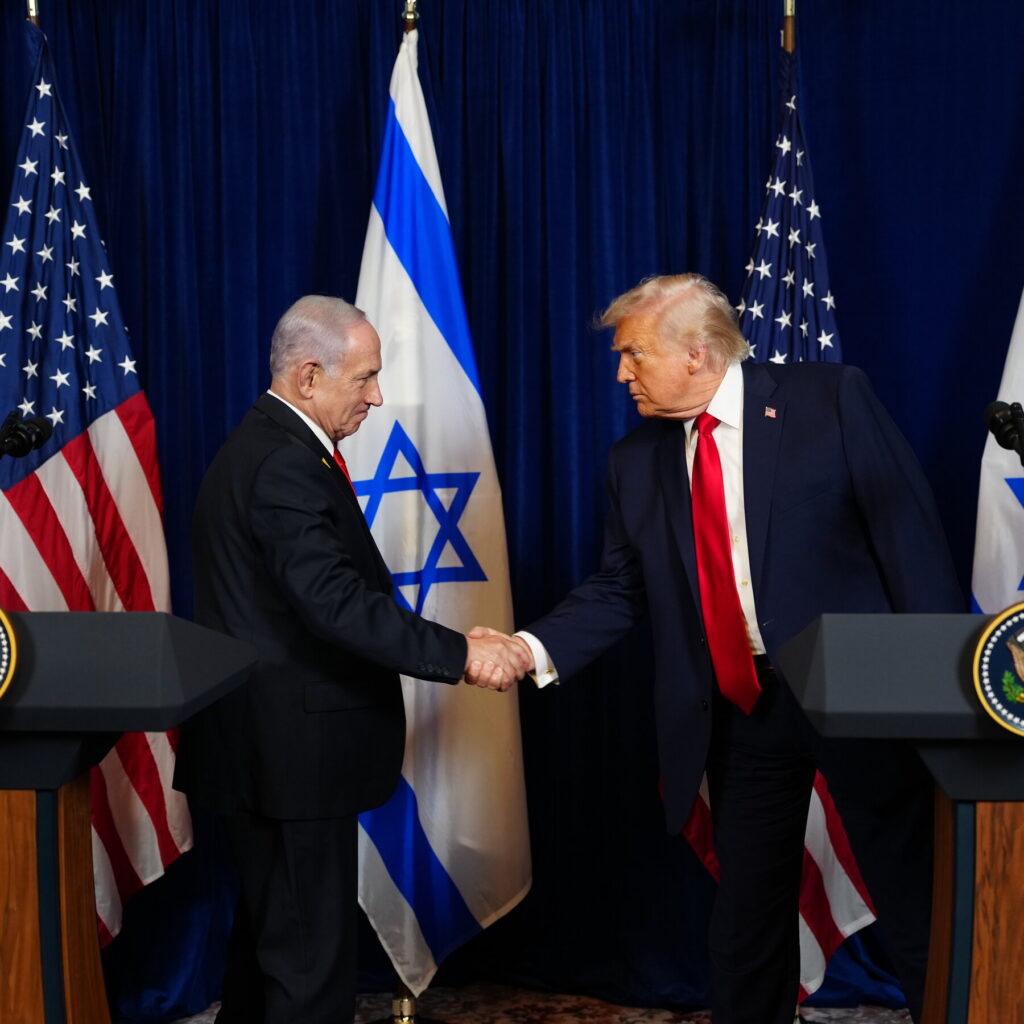
The relationship between the United States and Israel has long been characterized by close diplomatic, military, and intelligence cooperation. Recently, a new proposal advancing through Congress seeks to formalize and intensify this partnership by integrating the two nations’ defense and intelligence systems more closely. Advocates argue this move will bolster security and strengthen strategic ties amid evolving global threats. However, some experts and lawmakers warn that deeper integration could carry unforeseen risks, including entanglement in regional conflicts and challenges to U.S. foreign policy autonomy. This article examines the rationale behind the proposal, the potential advantages it offers, and the concerns it raises.
The United States and Israel have maintained a robust defense relationship for decades, rooted in shared strategic interests and mutual security concerns. This partnership encompasses extensive military aid, joint training exercises, intelligence sharing, and collaborative development of defense technologies.
Israel has been a key recipient of U.S. military assistance, receiving billions of dollars annually to support its defense capabilities. The two countries have also cooperated on missile defense systems, such as the Iron Dome, which has proven effective in intercepting incoming threats and protecting civilian populations.
Intelligence collaboration has been a cornerstone of the relationship, with both nations exchanging critical information on regional threats, terrorism, and cyber warfare. This cooperation has helped both countries anticipate and respond to security challenges not only in the Middle East but also globally. The longstanding trust and operational synergy have laid the groundwork for considering even closer integration.
The current legislative proposal aims to deepen this partnership by creating a more integrated framework for defense and intelligence operations. This would involve enhanced coordination between U.S. and Israeli military commands, joint planning and execution of defense strategies, and potentially shared access to certain classified intelligence systems.
Proponents envision a formalized structure that allows for real-time information sharing and synchronized responses to emerging threats. This integration could extend to joint research and development initiatives, pooling resources to accelerate advancements in defense technology and operational capabilities.
Such a framework would represent a significant shift from the existing cooperative but largely independent operations, moving toward a model where the two countries operate in a more unified manner on defense matters. This could include joint command centers or liaison offices to facilitate seamless communication and decision-making during crises.
Supporters of the proposal argue that tighter integration would enhance the security of both nations. By sharing intelligence more seamlessly and coordinating defense strategies, the U.S. and Israel could respond more effectively to threats such as terrorism, cyberattacks, and missile launches.
The partnership could also foster innovation by combining the technological expertise and resources of both countries. Israel’s advancements in cybersecurity and missile defense, paired with U.S. military capabilities, could lead to breakthroughs that benefit both militaries and potentially have civilian applications.
Strategically, a closer alliance could serve as a deterrent to adversaries in the Middle East. It would signal a united front and a commitment to mutual defense, potentially stabilizing a region marked by volatility and conflict. This could also reassure U.S. allies and partners about America’s commitment to regional security.
Moreover, the integration could improve operational efficiency by reducing redundancies and enabling joint training and exercises that prepare forces for coordinated action. Shared logistics and intelligence platforms might streamline resource use and accelerate response times in crises.
Despite the potential advantages, critics caution that deeper integration carries significant risks. One major concern is that it could entangle the United States more directly in regional conflicts involving Israel, complicating U.S. diplomatic efforts and potentially drawing the country into unwanted military engagements.
There are also worries about the implications for U.S. intelligence autonomy. Sharing sensitive information and systems could expose U.S. intelligence operations to vulnerabilities or conflicts of interest, especially if Israeli and American priorities diverge in specific situations.
Some lawmakers and analysts fear that the proposal may limit the U.S. government’s flexibility in Middle East policy by binding it more closely to Israel’s strategic decisions. This could hinder the ability to act independently or mediate conflicts impartially, affecting broader U.S. interests in the region.
Additionally, concerns have been raised about transparency and oversight. Integrating defense and intelligence functions across two sovereign nations presents challenges in maintaining accountability and ensuring that shared operations comply with legal and ethical standards. Questions remain about how congressional oversight would function and how sensitive information would be protected.
The debate over the proposal highlights the delicate balance between strengthening alliances and preserving national autonomy. While a closer U.S.-Israel defense partnership could provide tangible security benefits, it also requires careful management of the political and operational complexities involved.
Policymakers must weigh the advantages of enhanced cooperation against the potential for unintended consequences, including entanglement in conflicts and challenges to intelligence integrity.
Effective oversight mechanisms and clear guidelines for information sharing and joint operations will be essential to mitigate risks. Transparency with Congress and the public can help ensure that the partnership advances U.S. interests without compromising core principles.
Ultimately, the success of such a partnership depends on mutual trust, aligned strategic goals, and a shared commitment to addressing emerging threats while respecting each nation’s sovereignty. Maintaining this balance will be critical to sustaining a partnership that benefits both countries without undermining their independence.
The proposed closer integration of U.S. and Israeli defense and intelligence systems represents a significant evolution in a longstanding partnership. While it promises to enhance security cooperation and strategic alignment, it also raises important questions about the implications for U.S. foreign policy autonomy and intelligence integrity. As Congress considers this proposal, a balanced approach that maximizes benefits while addressing concerns will be essential. Transparent oversight and clear operational boundaries can help ensure that the partnership strengthens both nations’ security without compromising broader U.S. interests or diplomatic flexibility.
Source: Why Congress Wants a Closer U.S.-Israel Defense Partnership via www.nytimes.com.
This article was curated with AI assistance.
Keep reading
Politics
In August 2025, Zespri, the world’s largest marketer of kiwifruit, announced that the European Commission had approved what it described as the first health…
News
By Engr. Tamunofiniarisa BrownReading Time: 6 Minutes The conflict between Russia and Ukraine is often framed in the media as a simple battle between…
Politics
Twenty-five years after the September 11 attacks, the family of Marine Travis Fuller reflects on his death in the Iraq War, grappling with the…
TAMFIS NIG LTD
Electrical and instrumentation engineering, bid preparation and consulting, IT and software.