
Politics
Science vs politics: Kiwi’s long road to EU health-claim approval
In August 2025, Zespri, the world’s largest marketer of kiwifruit, announced that the European Commission had approved what it described as the first health…
TAMFIS NIG LTDRC 8067447CAC ACTIVEFinima, Bonny Island, Rivers State

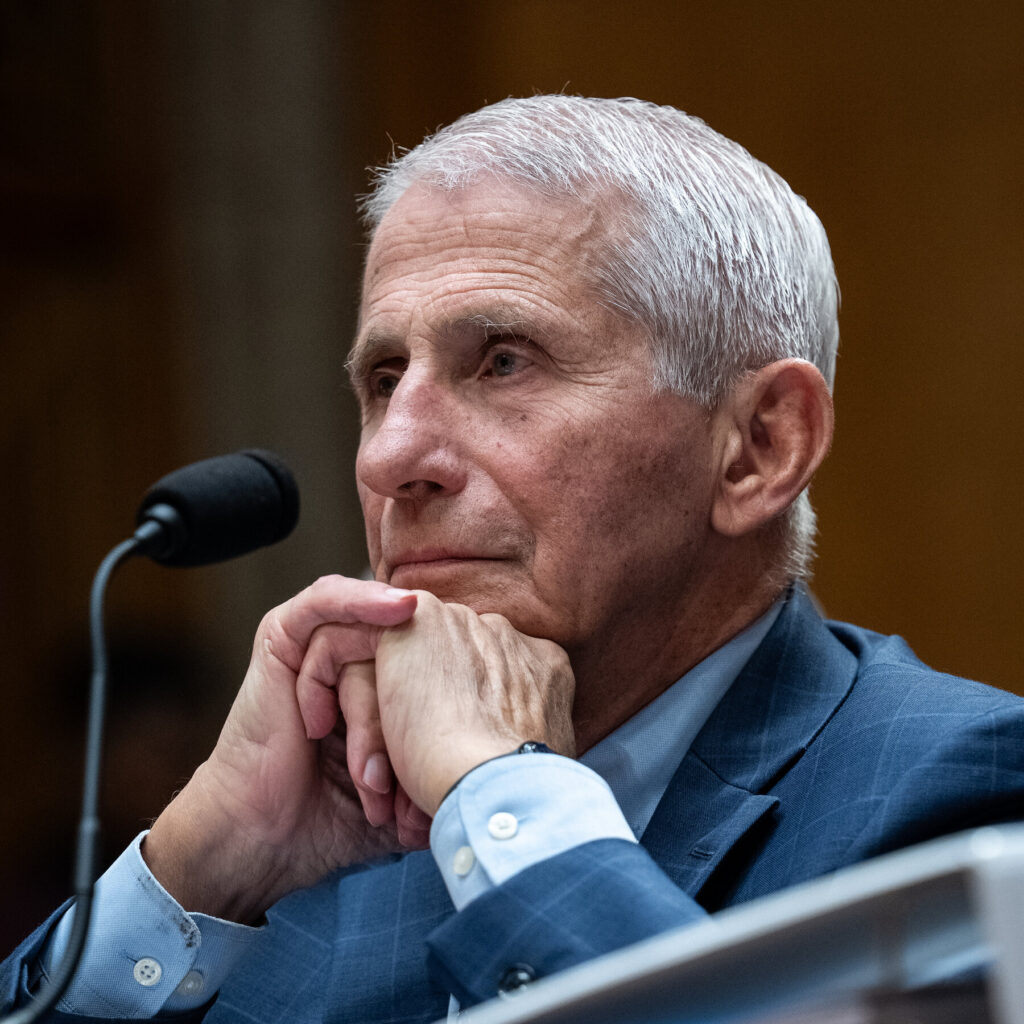
Dr. Anthony Fauci, a leading figure in public health and a key advisor during the COVID-19 pandemic, recently invoked his Fifth Amendment rights during a Senate committee hearing, refusing to answer certain questions. This unprecedented move has led to a contempt vote against him, igniting a complex legal dispute about the limits of constitutional protections and congressional power. This article explores the legal framework surrounding Dr. Fauci’s case, the arguments presented by both Republicans and Democrats, and the potential consequences for future congressional investigations and the balance between government oversight and individual rights.
The Fifth Amendment to the United States Constitution is a cornerstone of American legal protections, safeguarding individuals from self-incrimination. It allows a person to refuse to answer questions or provide information that could potentially expose them to criminal liability. Traditionally, this right has been invoked primarily in criminal proceedings or investigations where there is a clear risk of prosecution.
Dr. Fauci’s invocation of the Fifth Amendment in a congressional hearing is unusual because he is not currently under criminal investigation or facing any charges. This raises important constitutional questions about whether the protection applies in this context and whether it can be used as a shield against congressional inquiry. The amendment’s language does not explicitly limit its application to criminal trials, but its use outside that context remains legally contested.
Republican members of the Senate committee argue that Dr. Fauci’s claim of the Fifth Amendment is invalid because he is not under any criminal investigation. They contend that the constitutional protection is designed to prevent self-incrimination in criminal cases, not to avoid answering legitimate questions during congressional oversight.
They further assert that Fauci’s refusal to testify obstructs Congress’s ability to conduct thorough investigations into government actions during the COVID-19 pandemic. According to these Republicans, allowing such a broad application of the Fifth Amendment could undermine congressional authority and accountability, potentially setting a precedent where officials could evade oversight simply by invoking constitutional protections without facing criminal charges.
Supporters of Dr. Fauci emphasize that the Fifth Amendment is a fundamental constitutional right that applies broadly to protect individuals from self-incrimination, regardless of whether criminal charges have been filed. They argue that the amendment safeguards against any potential self-incrimination, including situations where an individual might inadvertently provide information that could lead to prosecution in the future.
Legal experts highlight that the right to silence serves as a critical safeguard against government overreach and abuse, ensuring that individuals are not compelled to provide testimony that could be used against them. Fauci’s legal team maintains that his invocation is a legitimate exercise of this protection, particularly given the politically charged nature of the inquiry and the potential for his statements to be misconstrued or used in a prosecutorial context.
Following Dr. Fauci’s refusal to answer questions, the Senate committee proceeded with a contempt vote, formally declaring that he has obstructed the legislative process. A contempt citation is a serious measure that can lead to legal consequences, including potential prosecution for contempt of Congress.
However, enforcing a contempt citation is complex. It typically requires cooperation from the Department of Justice (DOJ), which may be hesitant to pursue charges in politically sensitive cases. This dynamic underscores the tension between congressional oversight powers and individual constitutional rights, as well as the practical limits of Congress’s ability to compel testimony.
The contempt vote also raises broader concerns about the limits of congressional authority to compel testimony and the protections afforded to witnesses. It may set a significant precedent for how future investigations involving government officials are conducted, particularly when constitutional rights are invoked.
Congressional committees possess broad investigative powers to examine government actions and hold officials accountable, which are essential for transparency and democratic governance. However, these powers must be balanced with respect for constitutional rights, including protections against self-incrimination.
Dr. Fauci’s case exemplifies the challenges in navigating this balance, especially in a politically charged environment. While the use of constitutional protections in congressional hearings is not unprecedented, the high-profile nature of this case has brought renewed attention to the legal boundaries involved.
Experts suggest that clearer guidelines and legal frameworks may be necessary to address such conflicts in the future. Establishing well-defined standards could help ensure that congressional oversight remains effective without infringing on individual rights, thereby preserving the integrity of both democratic accountability and constitutional protections.
Dr. Anthony Fauci’s invocation of the Fifth Amendment during a Senate committee hearing has sparked a significant legal and political debate centered on constitutional interpretation and the scope of congressional oversight. While the contempt vote reflects congressional frustration, the legal path forward remains uncertain, illustrating the broader challenges in balancing government accountability with individual rights. As this case continues to unfold, it may prompt lawmakers and legal experts to reconsider and clarify the boundaries of congressional inquiry and constitutional safeguards, ensuring that both democratic oversight and personal protections are upheld in future investigations.
Originally reported by nytimes.com. Adapted for our readers with AI assistance.
Keep reading
Politics
In August 2025, Zespri, the world’s largest marketer of kiwifruit, announced that the European Commission had approved what it described as the first health…
News
By Engr. Tamunofiniarisa BrownReading Time: 6 Minutes The conflict between Russia and Ukraine is often framed in the media as a simple battle between…
Politics
Twenty-five years after the September 11 attacks, the family of Marine Travis Fuller reflects on his death in the Iraq War, grappling with the…
TAMFIS NIG LTD
Electrical and instrumentation engineering, bid preparation and consulting, IT and software.