Politics
How Minnesota Figures Into the Presidential Politics of Insulin Prices
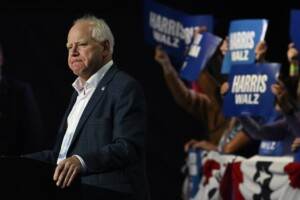
Politics tamfitronics Minnesota Gov. Tim Walz attends a rally in Asheville, North Carolina, on Sept. 17. Minnesota led the way on in...
TAMFIS NIG LTDRC 8067447CAC ACTIVEFinima, Bonny Island, Rivers State

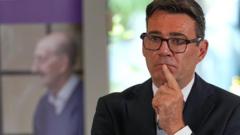
As inflation and economic pressures continue to strain UK households, Prime Minister Andy Burnham has openly recognized that the government's current cost of living support falls short of what is needed. Speaking on BBC's Wake up to Money, Burnham outlined plans for a combination of smaller interventions aimed at gradually alleviating financial burdens. He also hinted at more ambitious reforms involving public control of utilities and transport, while stressing fiscal discipline ahead of the upcoming Budget. This article examines Burnham’s recent statements, the context of his policy approach, and the potential impact on families and businesses.
Since assuming office, Prime Minister Andy Burnham has introduced measures intended to provide relief amid the ongoing cost of living crisis. These include removing VAT from domestic energy bills and accelerating the end of so-called 'subscription traps'—practices that make it difficult for consumers to cancel unwanted subscriptions. Despite these steps, Burnham candidly admitted that these actions alone are insufficient to address the scale of hardship faced by many households.
In his interview, Burnham stated, “I can accept criticism that this isn't enough, because I wouldn't say it's enough.” This acknowledgment marks a notable departure from more optimistic government messaging, signaling a willingness to engage with the reality of economic pressures on ordinary people.
Rather than promising sweeping immediate changes, Burnham emphasized a pragmatic approach: delivering an “accumulation of smaller things” that collectively ease financial strain. This incremental strategy reflects the complexities of balancing immediate relief with longer-term structural reforms.
A significant element of Burnham’s vision involves increasing public control over key sectors such as energy, water, and housing. He suggested that such control could provide a more substantial solution to the cost of living crisis by reducing costs and improving service quality.
Regarding water, Burnham acknowledged the challenges inherent in reversing privatisation policies implemented in the 1980s but indicated that the government is actively exploring possibilities. The energy sector is also under consideration for reforms that could enhance public oversight.
In transportation, Burnham highlighted plans to remodel rail fares following the return of rail operators to public ownership. The goal is to ensure that public investment translates into tangible benefits for passengers, potentially making travel more affordable and accessible.
While details remain sparse, these proposals suggest a shift towards greater government involvement in sectors traditionally dominated by private companies. Such moves could reshape the landscape of essential services in the UK, though they will likely face political and economic hurdles.
Burnham has tasked Chancellor John Healey with prioritizing the cost of living in the forthcoming Budget scheduled for 28 October. Healey has indicated that addressing household financial pressures will be a main focus, but also emphasized the need for “strong fiscal discipline.”
This balancing act means that while the government seeks to provide additional support, it must also manage public spending responsibly to avoid exacerbating fiscal deficits. Analysts and think tanks have warned that meeting commitments on both defence and cost of living support may require either tax increases or spending cuts elsewhere.
Importantly, Burnham has reaffirmed Labour’s manifesto pledge not to raise taxes on working individuals, including income tax, VAT, and National Insurance Contributions. This stance limits the government’s revenue-raising options, potentially complicating efforts to expand social support.
The Chancellor’s approach suggests a cautious fiscal environment where targeted interventions are preferred over broad-based spending increases.
Beyond household support, Burnham has acknowledged the pressures facing businesses due to rising costs, including previous increases in employer National Insurance and minimum wage rates. These factors have contributed to operational challenges, particularly for small and medium-sized enterprises.
In response, Burnham announced a 20% reduction in business rates for pubs, social clubs, and live music venues starting April, describing it as a “first step” to aid these sectors. He also expressed a broader intent to reduce the cost of doing business and revitalize high streets across the country.
However, he refrained from making firm commitments ahead of the Budget, indicating that further measures will be considered in due course. This cautious approach reflects the government’s need to balance economic support with fiscal realities.
Burnham’s recognition of business challenges highlights the interconnected nature of economic recovery, where supporting enterprises can have knock-on benefits for employment and community vitality.
Burnham’s admission that current measures are inadequate may resonate with many citizens who continue to struggle with rising living costs. His openness to criticism and willingness to pursue incremental improvements could foster public trust, though expectations remain high for substantive change.
Politically, the Prime Minister’s approach may face scrutiny from opposition parties and within his own ranks, particularly regarding the feasibility of expanding public control over utilities and transport. Such reforms often provoke debate over efficiency, cost, and government intervention.
Additionally, balancing fiscal discipline with social support will be a delicate task, especially as economic conditions evolve. The upcoming Budget will be closely watched as an indicator of the government’s priorities and capacity to address the cost of living crisis effectively.
Prime Minister Andy Burnham’s candid acknowledgment of the limitations of current cost of living measures marks a pragmatic shift in government communication amid ongoing economic challenges. His strategy to combine smaller, targeted interventions with longer-term reforms such as increased public control of essential services reflects an attempt to balance immediate relief with structural change. However, fiscal constraints and political complexities will shape the extent and pace of these efforts. As the UK awaits the forthcoming Budget, households and businesses alike will be looking for meaningful support to navigate the persistent pressures on their finances.
Originally reported by bbc.co.uk. Adapted for our readers with AI assistance.
Keep reading
Politics
Politics tamfitronics Minnesota Gov. Tim Walz attends a rally in Asheville, North Carolina, on Sept. 17. Minnesota led the way on in...
Politics
Nigerian human rights lawyer Deji Adeyanju has joined a Federal Government inquiry into the deaths of 37...
Politics
Democracy, Featured, Global, Global Governance, Headlines, International Justice, IPS UN: Insid...
TAMFIS NIG LTD
Electrical and instrumentation engineering, bid preparation and consulting, IT and software.