
News
RUSSIA versus NATO and BRICS vs. NATO Military SWOT
Recall that Poland’s Minister Sikorski’s core claim is partially supported by the numbers, but the framing “quite quickly” and “without the U.S.” does not…
TAMFIS NIG LTDRC 8067447CAC ACTIVEFinima, Bonny Island, Rivers State

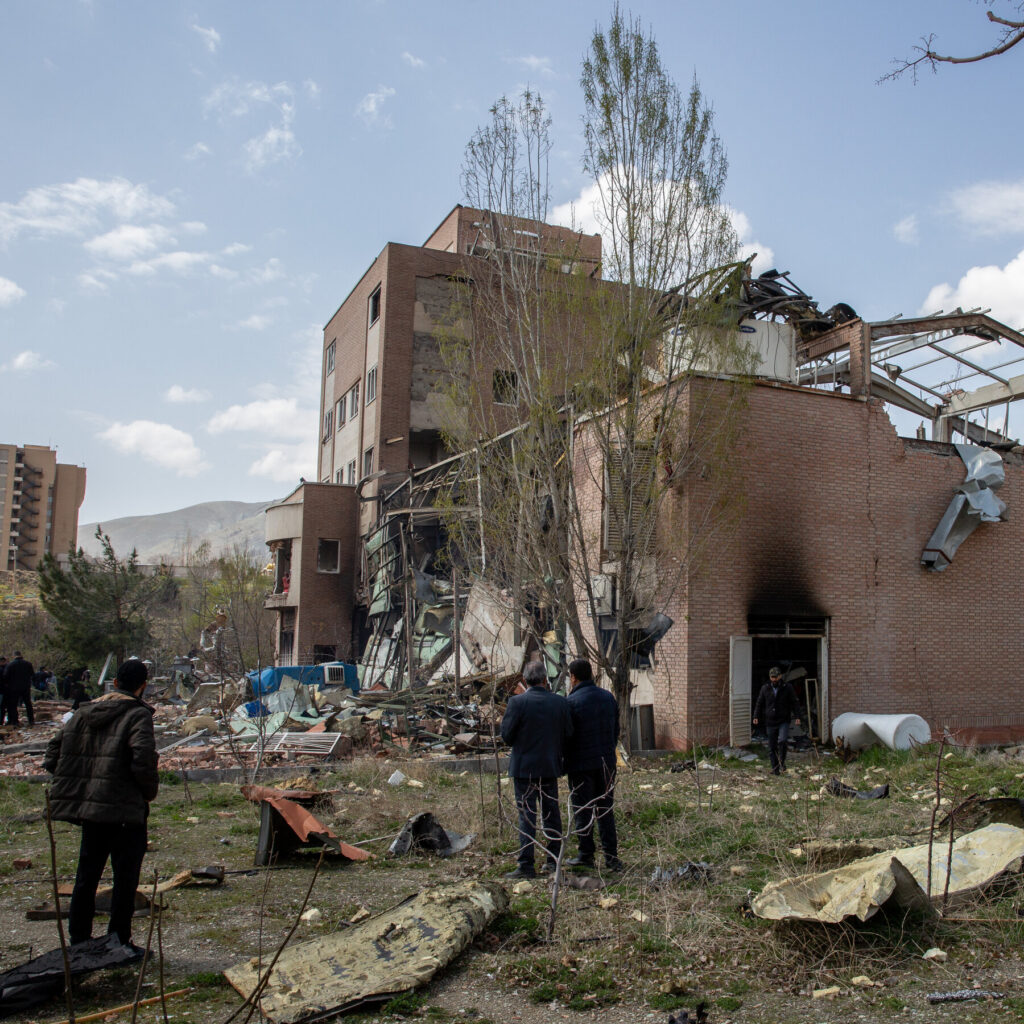
The United States is confronting a critical challenge as its weapons stockpiles diminish rapidly due to sustained military operations connected to the conflict in Iran. This depletion affects not only immediate military capabilities but also has far-reaching geopolitical consequences. Analysts warn that adversarial powers such as Russia and China may exploit a prolonged conflict to shift global power dynamics in their favor. This article examines the current state of U.S. military resources, the strategic consequences of the Iran conflict, and the perspectives of key international actors.
The United States has engaged in extensive military operations related to the conflict in Iran, leading to a rapid and unprecedented consumption of weapons and munitions. This sustained usage has significantly eroded U.S. military firepower, with critical stockpiles shrinking faster than anticipated. The Pentagon has publicly acknowledged the strain on resources, emphasizing the challenges of replenishing vital weaponry amid ongoing global military commitments.
Among the most affected are precision-guided munitions, various missile systems, and essential ammunition types used in both air and ground operations. These advanced weapons are crucial for maintaining operational effectiveness and tactical superiority. The accelerated depletion raises serious concerns about the U.S. military’s ability to sustain readiness across multiple theaters, especially if the Iran conflict continues without a clear resolution.
A protracted conflict in Iran carries significant strategic consequences that extend well beyond the immediate battlefield. Analysts argue that extended hostilities could weaken U.S. military influence by exhausting resources and diverting attention from other critical global priorities. This overextension risks emboldening adversaries and complicating diplomatic efforts aimed at stabilizing the region.
Furthermore, a drawn-out engagement may destabilize the Middle East further, creating power vacuums that non-state actors and regional rivals could exploit to expand their influence. The strain on U.S. military logistics and procurement systems could delay modernization programs and reduce the military’s capacity to respond swiftly to emerging threats in other parts of the world. This scenario underscores the complex trade-offs involved in sustaining long-term military operations.
Russia and China are closely monitoring the depletion of U.S. weapons stockpiles amid the Iran conflict, viewing a prolonged U.S. engagement as an opportunity to advance their geopolitical interests. Russia, already at odds with the West, may seek to capitalize on U.S. overextension by strengthening its influence in the Middle East and beyond, potentially reshaping regional alignments to its advantage.
China, on the other hand, perceives the stretched U.S. military resources as a chance to assert greater dominance in the Indo-Pacific region. Observing U.S. vulnerabilities could embolden China to adopt more assertive military and diplomatic postures, particularly in contested areas such as the South China Sea and the Taiwan Strait. These developments highlight a broader strategic competition where the U.S. must carefully balance its military commitments to avoid empowering rival powers through overextension.
Rebuilding depleted stockpiles is a complex, costly, and time-consuming process. Producing advanced weaponry—including precision-guided munitions and sophisticated missile systems—requires substantial industrial capacity, specialized technology, and rigorous quality control. The U.S. defense industry faces significant pressure to accelerate manufacturing rates without compromising technological superiority or reliability.
Supply chain constraints add another layer of difficulty. Global demand for military equipment, coupled with disruptions in raw material availability and manufacturing bottlenecks, complicates efforts to replenish reserves swiftly. Budgetary considerations further challenge replenishment efforts, as increased funding must be balanced against other defense priorities and fiscal constraints.
To address these challenges, the Pentagon is exploring multiple strategies. These include boosting production rates, investing in innovative technologies to streamline manufacturing, and forging partnerships with allied nations to share the burden of replenishing critical munitions and weapon systems. Such collaborative approaches aim to enhance resilience and ensure sustained military readiness.
The United States faces a delicate balancing act between fulfilling immediate operational demands in Iran and preserving long-term military readiness. Overcommitting resources to one conflict risks undermining the ability to respond effectively to other global threats or crises, potentially weakening U.S. influence on multiple fronts.
Strategic planners must carefully weigh the benefits of continued engagement in Iran against the potential costs of diminished military capacity and geopolitical risk. This assessment includes exploring diplomatic avenues to resolve the conflict and reduce reliance on kinetic military operations, which heavily tax weapon stockpiles.
Moreover, the situation underscores the critical importance of resilient defense supply chains and diversified procurement strategies. Developing flexible, adaptive systems capable of sustaining prolonged military engagements without compromising overall national security is essential for maintaining U.S. strategic advantages in an increasingly complex global environment.
The ongoing conflict involving Iran presents a multifaceted challenge for the United States, highlighting the risks of rapid weapons stockpile depletion amid sustained military operations. This strain not only affects immediate combat capabilities but also invites strategic calculations by rival powers such as Russia and China, who may seek to exploit U.S. vulnerabilities. Addressing this issue requires a comprehensive approach that balances operational demands with long-term strategic planning. Enhancing production capacity, securing supply chains, and pursuing diplomatic solutions will be essential to sustaining U.S. military effectiveness and preserving its global standing amid evolving geopolitical dynamics.
Originally reported by nytimes.com. Adapted for our readers with AI assistance.
Keep reading
News
Recall that Poland’s Minister Sikorski’s core claim is partially supported by the numbers, but the framing “quite quickly” and “without the U.S.” does not…
Politics
In August 2025, Zespri, the world’s largest marketer of kiwifruit, announced that the European Commission had approved what it described as the first health…
News
By Engr. Tamunofiniarisa BrownReading Time: 6 Minutes The conflict between Russia and Ukraine is often framed in the media as a simple battle between…
TAMFIS NIG LTD
Electrical and instrumentation engineering, bid preparation and consulting, IT and software.