
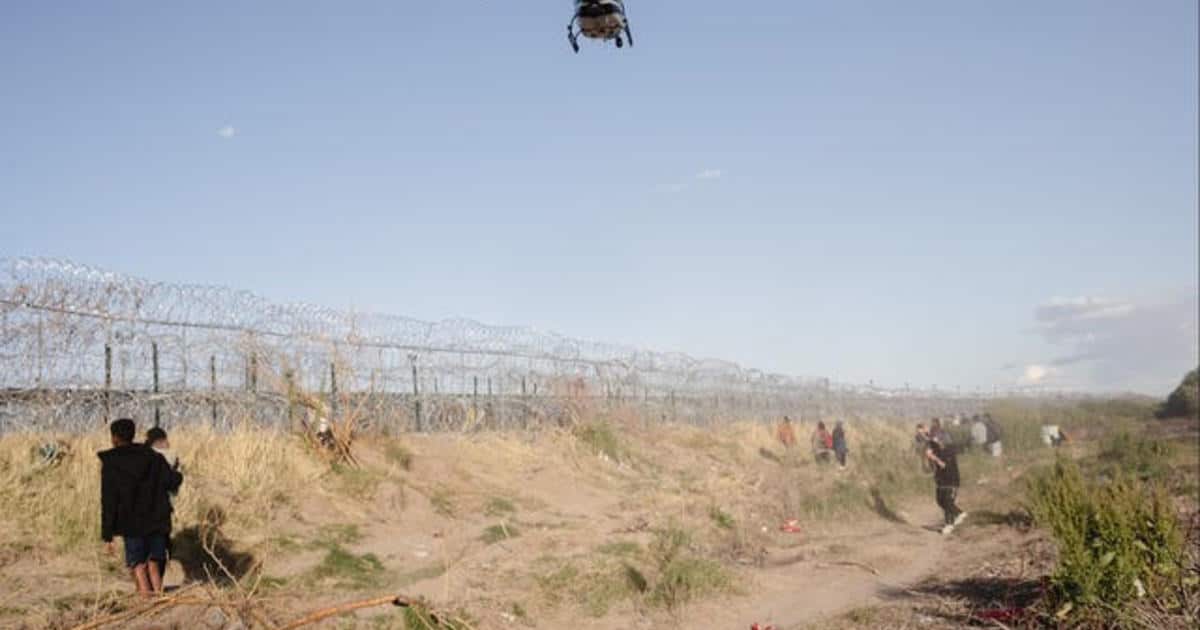
The U.S.-Mexico border has long been a focal point of immigration discussions, with fluctuating numbers of crossings impacting political, social, and economic landscapes. In March, officials reported a significant dip in migrant crossings, a development that has garnered attention from policymakers and analysts alike. This reduction is largely credited to Mexico's intensified enforcement and collaboration with U.S. border agencies. Understanding the dynamics behind this decline is crucial for shaping effective immigration strategies and addressing humanitarian concerns at the border.
Overview of Border Crossing Trends in Early 2024
The early months of 2024 have seen fluctuating patterns in migrant crossings along the U.S.-Mexico border. Historically, seasonal factors, economic conditions, and policy changes influence these trends. March, in particular, marked a noticeable downturn in crossings compared to previous months, signaling a shift in migration dynamics.
Data collected by U.S. Customs and Border Protection (CBP) indicate that the number of apprehensions and encounters in March decreased by approximately 15% compared to February. This decline interrupts a period of sustained high numbers observed throughout late 2023 and early 2024, prompting officials to analyze underlying causes.
Experts suggest that this dip may be part of a broader cyclical pattern or the result of targeted enforcement actions. However, the collaboration between U.S. and Mexican authorities appears to be a significant contributing factor, highlighting the importance of bilateral cooperation in managing border security.
Mexico's Role in Reducing Migrant Crossings
Mexican authorities have intensified efforts to curb unauthorized migration through increased patrols and checkpoints along key transit routes. These measures aim to intercept migrants before they reach the U.S. border, thereby reducing the volume of crossings detected by U.S. officials.
Mexico's National Guard and other law enforcement agencies have expanded their presence in southern and northern border states, conducting operations targeting human smuggling networks and providing humanitarian assistance to vulnerable migrants. This dual approach balances enforcement with protection.
Officials from both countries have engaged in regular communication and joint initiatives, including sharing intelligence and coordinating responses to migration surges. This cooperative framework is credited with creating a more controlled and managed border environment, contributing to the observed dip in crossings.
Impact of U.S. Immigration Policies on Border Activity
U.S. immigration policies continue to play a pivotal role in influencing migrant behavior and border crossing patterns. Recent policy adjustments aimed at streamlining asylum processes and enhancing border security have affected migrant decisions and routes.
Enforcement strategies, such as expedited removal and increased use of technology like surveillance drones and sensors, have heightened the risks and challenges for migrants attempting unauthorized crossings. These measures may have deterred some individuals from attempting to cross.
Additionally, diplomatic efforts to address root causes of migration, such as economic instability and violence in Central America, are ongoing. These policies, combined with border enforcement, contribute to shaping the overall migration landscape.
Humanitarian Considerations Amid Declining Crossings
While the reduction in border crossings is seen as a positive development from a security perspective, humanitarian concerns remain paramount. Migrants often face perilous journeys and vulnerable conditions, necessitating continued support and protection.
Non-governmental organizations and international agencies emphasize the need for safe and legal pathways to migration, as well as adequate resources for shelters and medical care along migrant routes. These efforts aim to mitigate risks and uphold human rights.
The collaboration between U.S. and Mexican authorities also includes provisions for humanitarian aid and the treatment of asylum seekers, reflecting an understanding that enforcement must be balanced with compassion and legal obligations.
Economic and Social Implications of Border Dynamics
Border regions are economically and socially intertwined with migration patterns. Fluctuations in crossings influence labor markets, public services, and community relations on both sides of the border.
A decline in unauthorized crossings can alleviate pressure on border facilities and local resources, allowing for better management and allocation of services. However, sustained enforcement may also impact cross-border trade and family connections, necessitating nuanced policy approaches.
Understanding these implications is vital for stakeholders, including local governments, businesses, and advocacy groups, to develop strategies that support border communities while addressing security and humanitarian concerns.
Technological Innovations Enhancing Border Security
Advancements in technology have transformed border security operations, enabling more effective monitoring and response capabilities. Tools such as artificial intelligence, biometric systems, and unmanned aerial vehicles are increasingly deployed along the border.
These technologies assist in real-time detection of unauthorized crossings, identification of individuals, and disruption of smuggling networks. Their integration into border management has contributed to the recent decline in crossings by increasing the likelihood of apprehension.
However, the use of technology also raises privacy and ethical questions, requiring transparent policies and oversight to ensure that security measures respect civil liberties and international standards.
Future Outlook: Sustaining the Downward Trend in Border Crossings
Maintaining the reduction in border crossings will depend on continued cooperation between the U.S. and Mexico, as well as effective policy implementation on both sides. Addressing the root causes of migration remains a critical long-term strategy.
Investment in regional development, security, and legal migration pathways can reduce the incentives for irregular crossings. Additionally, ongoing evaluation of border enforcement tactics will help balance security needs with humanitarian responsibilities.
Stakeholders must remain vigilant to emerging challenges, such as changes in migration flows due to political or environmental factors, to adapt strategies accordingly and ensure the border remains secure and humane.
Conclusion
The decline in U.S.-Mexico border crossings in March reflects a complex interplay of enforcement, policy, and cooperation between the two nations. Mexico’s proactive measures, combined with U.S. technological and policy initiatives, have contributed to this favorable trend. Moving forward, a balanced approach that integrates security, humanitarian aid, and economic considerations will be essential to managing migration effectively. Continued collaboration and adaptation to changing migration dynamics will determine the border’s future stability and safety.