
Politics
How Minnesota Figures Into the Presidential Politics of Insulin Prices
Politics tamfitronics Minnesota Gov. Tim Walz attends a rally in Asheville, North Carolina, on Sept. 17. Minnesota led the way on in...
TAMFIS NIG LTDRC 8067447CAC ACTIVEFinima, Bonny Island, Rivers State

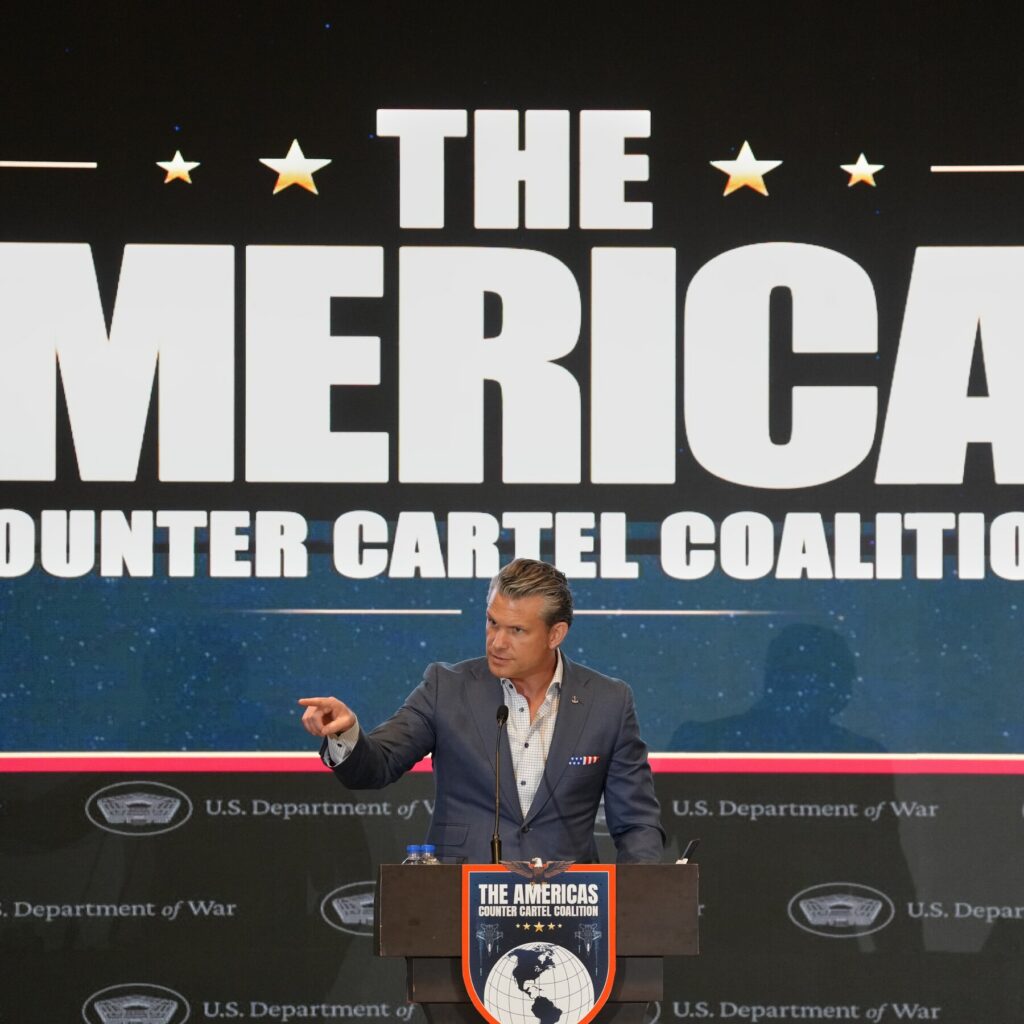
In a recent gathering of Latin American military leaders in Panama, U.S. Defense Secretary Pete Hegseth highlighted the urgent need for enhanced collaboration to tackle the persistent threat posed by drug cartels. This coalition aims to disrupt cartel operations through coordinated military and security efforts, signaling a renewed commitment to regional stability and the rule of law. The initiative reflects a strategic pivot toward a more integrated and forceful approach to combating organized crime that transcends traditional law enforcement boundaries.
During the summit in Panama, Defense Secretary Pete Hegseth addressed military officials from across Latin America, urging them to intensify joint operations with U.S. forces. He underscored the importance of a united approach, stating that the coalition’s mission is to confront and dismantle the powerful drug trafficking organizations that destabilize the region. Hegseth’s call to action emphasized the necessity of combining military strength, intelligence capabilities, and logistical support to effectively challenge the cartels’ entrenched networks.
This approach marks a strategic shift toward more direct military engagement, moving beyond traditional law enforcement methods that have often struggled to keep pace with the cartels’ evolving tactics. By leveraging combined resources and intelligence, the coalition seeks to close gaps exploited by cartels, such as cross-border smuggling routes, corrupt networks, and financial channels. The integration of military assets aims to disrupt not only the trafficking operations but also the underlying infrastructure that supports these criminal enterprises.
Drug cartels continue to exert significant influence in Latin America, fueling violence, corruption, and economic disruption. These criminal groups not only traffic narcotics but also engage in human trafficking, illegal mining, extortion, and other illicit activities that undermine governance and public safety. Their pervasive presence destabilizes communities, erodes trust in institutions, and hampers economic development.
The coalition’s efforts are critical in addressing these multifaceted threats. Strengthening military cooperation is seen as essential to restoring order and protecting communities vulnerable to cartel violence. Hegseth’s call to action reflects the U.S. commitment to supporting regional partners in these complex security challenges, recognizing that the fight against organized crime is intrinsically linked to broader goals of peace, prosperity, and democratic governance in the hemisphere.
While the coalition’s goals are clear, operationalizing this partnership involves navigating diverse political landscapes and military capabilities across Latin American countries. Differences in legal frameworks, resource availability, and national priorities can complicate joint missions, requiring careful coordination and mutual understanding among partners.
Moreover, balancing military action with respect for human rights and civil liberties remains a critical concern. Effective collaboration requires transparency, accountability, and adherence to international norms to maintain legitimacy and public trust. Hegseth’s emphasis on doing “bad things to bad people” signals a hardline approach, but it also raises questions about the potential for collateral damage and the long-term impact on affected communities. Ensuring that operations are conducted within legal and ethical boundaries is essential to sustaining popular support and avoiding exacerbation of social tensions.
The coalition must also address challenges related to intelligence sharing and interoperability among diverse military forces. Establishing secure communication channels and harmonizing operational protocols are necessary steps to enhance efficiency and responsiveness in joint operations.
The U.S. has a long history of involvement in Latin America’s fight against drug trafficking, including initiatives like Plan Colombia and the Mérida Initiative. These programs combined military aid, training, and economic assistance to disrupt drug networks and strengthen institutional capacities. While they achieved notable successes, such as weakening certain cartel factions and improving law enforcement capabilities, persistent challenges remain due to the adaptability of cartels and the socio-economic conditions that enable their growth.
The new coalition seeks to build on past lessons by fostering deeper integration of military efforts and enhancing real-time intelligence sharing. This approach aims to create a more agile and coordinated response to the evolving threats posed by organized crime. Additionally, the renewed focus reflects broader geopolitical dynamics, where regional stability is tied to global security and economic interests, underscoring the importance of collaborative defense strategies.
The coalition represents a significant step in U.S.-Latin America defense relations, emphasizing partnership and shared responsibility in confronting common security threats. By working together, the countries involved can leverage their unique strengths and foster greater trust, potentially strengthening diplomatic ties and regional integration.
However, this initiative requires careful management of sovereignty concerns and sensitivity to regional perceptions of U.S. involvement. Transparent communication and mutual respect will be key to sustaining cooperation and achieving meaningful results. The coalition’s success depends on balancing assertive action against cartels with respect for the autonomy of partner nations and the sentiments of their populations.
If successful, this model of multinational military collaboration could serve as a blueprint for addressing other transnational challenges, such as terrorism, cybercrime, and environmental security threats, through coordinated alliances that blend military, intelligence, and diplomatic efforts.
The formation of a robust anti-cartel coalition between the United States and Latin American militaries marks a decisive moment in the ongoing struggle against organized crime in the region. Defense Secretary Pete Hegseth’s call for intensified joint efforts reflects a strategic commitment to confronting drug cartels with coordinated military force. While the approach promises to enhance regional security and disrupt entrenched criminal networks, it also necessitates careful navigation of operational complexities and ethical considerations. Success will depend on sustained collaboration, respect for sovereignty, and a balanced strategy that protects both security and human rights. As the alliance evolves, it has the potential to redefine regional security partnerships and contribute to long-term stability and prosperity in Latin America.
Originally reported by nytimes.com. Adapted for our readers with AI assistance.
Keep reading
Politics
Politics tamfitronics Minnesota Gov. Tim Walz attends a rally in Asheville, North Carolina, on Sept. 17. Minnesota led the way on in...
Politics
Nigerian human rights lawyer Deji Adeyanju has joined a Federal Government inquiry into the deaths of 37...
Politics
Democracy, Featured, Global, Global Governance, Headlines, International Justice, IPS UN: Insid...
TAMFIS NIG LTD
Electrical and instrumentation engineering, bid preparation and consulting, IT and software.