
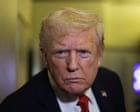
In recent developments, former US President Donald Trump has sharply criticized Colombia’s President Gustavo Petro, labeling him an ‘illegal drug leader’ and threatening to impose new tariffs on Colombian exports. Trump’s accusations stem from his assertion that Petro’s administration fails to combat drug production effectively, despite substantial US aid. This confrontation marks a significant strain in the longstanding US-Colombia alliance, raising concerns about future diplomatic and economic relations. This article provides a comprehensive overview of the situation, analyzing the key statements, political reactions, and potential consequences of Trump’s aggressive stance.
Trump’s Accusations Against President Gustavo Petro
Donald Trump publicly accused Colombian President Gustavo Petro of being complicit in illegal drug activities, branding him an ‘illegal drug leader’ on his social media platform, Truth Social. Trump’s remarks were unambiguous, asserting that Petro ‘does nothing to stop’ the production and trafficking of illegal drugs in Colombia despite extensive US financial support aimed at curbing such activities.
Trump’s rhetoric escalated during a press interaction aboard Air Force One, where he described Colombia as a ‘drug-manufacturing machine’ and criticized Petro’s leadership as ‘lunatic’. He warned that if Petro failed to take action against drug operations, the US would intervene directly, implying that such intervention would be forceful and uncompromising.
This public denouncement represents a stark departure from usual diplomatic protocols, signaling a potential shift in US policy towards Colombia. It also reflects Trump’s broader tough-on-drugs stance, which he has consistently promoted throughout his political career.
The Threat of New US Tariffs on Colombian Exports
In addition to cutting aid, Trump announced intentions to impose new tariffs on Colombian exports, a move that could significantly impact the South American nation’s economy. Tariffs are a common trade tool used to exert pressure on governments, and this threat underscores the seriousness with which Trump views Colombia’s alleged drug policy failings.
The potential tariffs could affect a range of Colombian goods, including coffee, flowers, and other key exports that contribute substantially to the country’s GDP. Such economic pressure aims to compel the Colombian government to intensify efforts against drug production and trafficking.
However, imposing tariffs risks damaging bilateral trade relations and could provoke retaliatory measures from Colombia. The move also raises questions about the broader implications for US-Latin America trade dynamics and the stability of alliances in the region.
Colombia’s Response and President Petro’s Position
President Gustavo Petro has firmly rejected Trump’s accusations, emphasizing his administration’s commitment to combating drug trafficking. Petro described himself as ‘the main enemy’ of illegal drugs in Colombia, highlighting ongoing efforts to implement policies aimed at reducing drug cultivation and promoting alternative development programs.
Colombian officials have expressed concern over the inflammatory nature of Trump’s comments, which they argue undermine cooperative efforts between the two countries. The Colombian government insists on a collaborative approach to drug control that respects sovereignty and addresses underlying social and economic issues.
Petro’s administration has also pointed to the complex challenges posed by illegal armed groups involved in drug trafficking, including leftist rebels. These groups complicate enforcement and require nuanced strategies beyond mere military intervention.
US Military Actions Against Drug Trafficking in Colombia
The US Department of Defense recently confirmed a strike against a vessel linked to a Colombian leftist rebel group involved in drug trafficking. The attack resulted in the deaths of three individuals labeled as ‘terrorists’ by US officials, reflecting ongoing military efforts to disrupt drug supply chains.
Such operations underscore the US commitment to fighting drug trafficking through direct intervention, often in partnership with Colombian security forces. However, these actions can also escalate tensions and complicate diplomatic relations, especially when linked to politically sensitive groups.
The military strikes are part of a broader US strategy to target drug production and trafficking networks in Latin America, but they also raise concerns about sovereignty, human rights, and the potential for unintended consequences in conflict zones.
Political Implications for US-Colombia Relations
Trump’s aggressive rhetoric and policy threats could strain the historically close relationship between the United States and Colombia. The two countries have cooperated extensively on security, trade, and anti-narcotics efforts for decades, making this confrontation particularly significant.
The prospect of cutting aid and imposing tariffs may prompt Colombia to reassess its strategic alliances and explore diversification of its international partnerships. It could also influence domestic politics, empowering opposition groups critical of US influence.
For the US, taking a hardline stance risks alienating an important regional partner and complicating efforts to maintain stability in Latin America. The situation exemplifies the challenges of balancing drug policy enforcement with diplomatic engagement.
Broader Context: The War on Drugs in Latin America
The conflict between the US and Colombia over drug policy is part of a larger, ongoing struggle known as the War on Drugs, which has shaped US-Latin America relations for decades. Despite substantial investments, drug production and trafficking persist, driven by complex economic and social factors.
Colombia remains one of the world’s largest producers of coca, the raw material for cocaine. Efforts to eradicate coca cultivation have met with mixed success, often provoking controversy due to environmental and human rights concerns.
The debate continues over the most effective strategies to combat drug trafficking, with some advocating for militarized approaches and others calling for legalization, decriminalization, or social programs to address root causes. The Trump-Petro clash highlights these differing perspectives.
Potential Economic Impact of Tariffs on Colombia
If implemented, new US tariffs could have significant economic consequences for Colombia. The country’s export sector, heavily reliant on access to the US market, might face reduced demand and increased costs, affecting industries from agriculture to manufacturing.
Small and medium-sized enterprises, which form the backbone of Colombia’s economy, could be particularly vulnerable to trade disruptions. Job losses and decreased investment might follow, exacerbating social challenges and potentially fueling political instability.
On the other hand, the threat of tariffs might incentivize Colombia to accelerate reforms in drug policy and enforcement. Balancing economic interests with security concerns will be a critical challenge for Colombian policymakers moving forward.
Future Outlook and Diplomatic Prospects
The unfolding dispute between Trump and Petro sets the stage for a complex diplomatic scenario. While Trump’s statements reflect a confrontational approach, other US officials and international partners might advocate for dialogue and cooperation to resolve differences.
Colombia’s response will likely involve balancing firm rejection of accusations with pragmatic engagement to protect economic and security interests. The country’s leadership may seek support from regional organizations and allies to mitigate pressure.
Ultimately, the situation underscores the delicate nature of US-Latin America relations and the ongoing challenges posed by drug trafficking. How both nations navigate this crisis could influence future policy directions and regional stability.
Conclusion
The recent escalation between Donald Trump and Colombia’s President Gustavo Petro marks a significant moment in US-Latin America relations, highlighting deep divisions over drug policy and enforcement. Trump’s harsh accusations and threats of tariffs underscore a confrontational approach that risks undermining decades of cooperation. Meanwhile, Colombia’s firm rejection and emphasis on collaborative strategies illustrate the complexities of addressing drug trafficking in the region. Moving forward, balancing security objectives with diplomatic and economic considerations will be essential to maintaining stability and fostering effective partnerships. The unfolding situation serves as a reminder of the enduring challenges and evolving dynamics in the fight against illegal drugs.