
Politics
How Minnesota Figures Into the Presidential Politics of Insulin Prices
Politics tamfitronics Minnesota Gov. Tim Walz attends a rally in Asheville, North Carolina, on Sept. 17. Minnesota led the way on in...
TAMFIS NIG LTDRC 8067447CAC ACTIVEFinima, Bonny Island, Rivers State

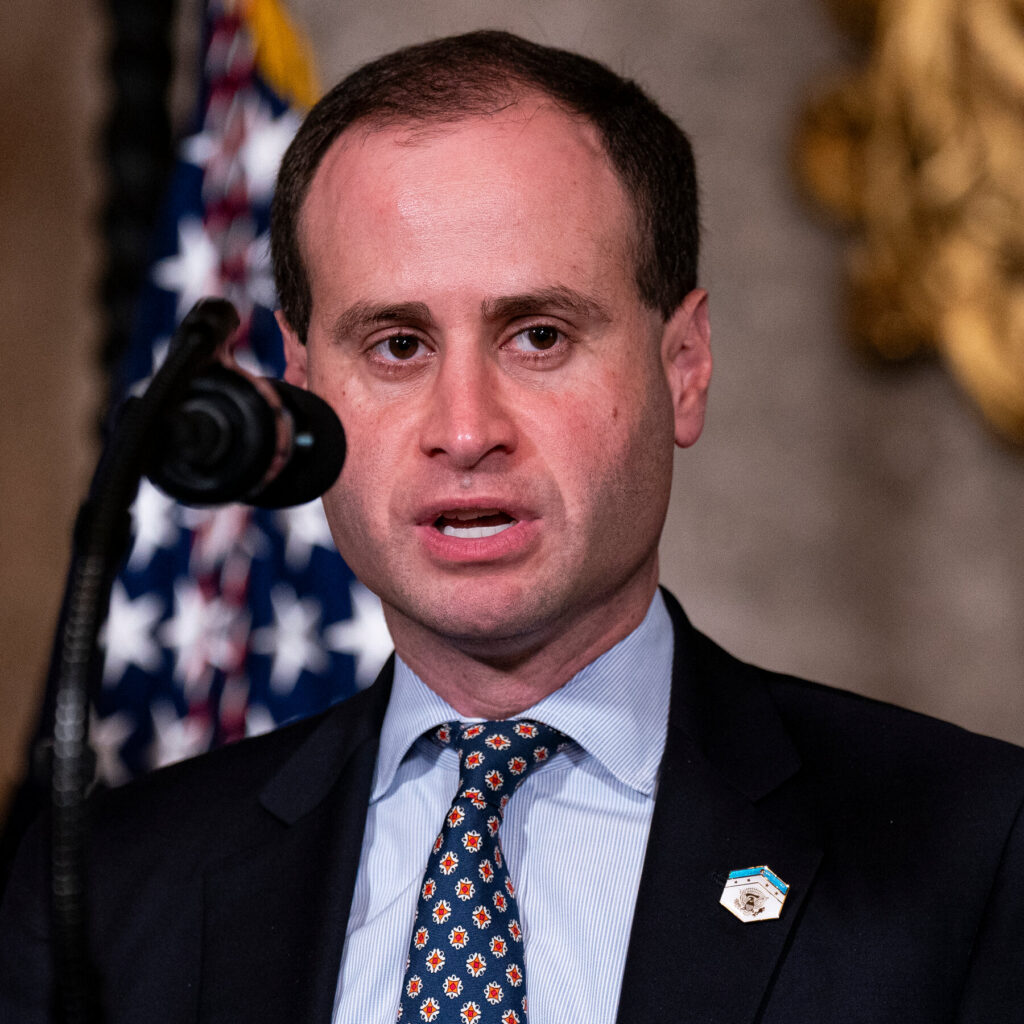
In a significant development within the White House legal team, President Trump has named Will Scharf as the new White House counsel. Scharf, known for his deeply conservative legal perspective, currently serves as the White House staff secretary. He is set to replace David Warrington in early September. This appointment reflects the administration's ongoing adjustments in its legal leadership and may influence the legal strategies employed by the White House moving forward, particularly as it navigates a complex political and legal environment marked by heightened scrutiny and evolving challenges.
Will Scharf's appointment as White House counsel brings a lawyer with a firmly conservative background into one of the most influential legal roles within the executive branch. Scharf has built a reputation for his conservative legal philosophy, which aligns closely with President Trump's policy priorities and ideological stance.
Currently serving as the White House staff secretary, Scharf has been deeply involved in managing the flow of information and documentation within the White House. This role requires meticulous attention to detail, discretion, and a comprehensive understanding of the administration’s inner workings. His experience in this capacity has provided him with unique insights into the operational and strategic aspects of the presidency, enabling him to understand the nuances of policy development and executive decision-making.
Transitioning to the role of White House counsel marks a significant step up in responsibility for Scharf. He will now be at the forefront of advising the president on a broad range of legal matters, from constitutional issues to executive actions and legislative proposals. His conservative approach is expected to shape the administration’s legal strategies, potentially reinforcing a more ideologically aligned legal framework that supports the president's agenda while navigating complex legal constraints.
The White House counsel serves as the president's chief legal advisor, a role that encompasses providing guidance on constitutional law, executive orders, legislative initiatives, and potential legal challenges. This position is essential in shaping the administration's legal strategies and ensuring that presidential actions comply with federal laws and regulations.
In the context of the Trump administration, the counsel’s role is particularly pivotal due to the complex and often contentious political and legal landscape. The counsel must navigate sensitive issues, manage conflicts of interest, and provide advice on matters that carry significant political and legal consequences. This includes overseeing legal risks associated with policy decisions and responding to investigations or litigation involving the administration.
Moreover, the counsel acts as a liaison between the White House and other branches of government, including Congress and the judiciary. This coordination is crucial for maintaining the administration’s legal posture, facilitating communication, and ensuring that legal responses are timely and strategically aligned with broader executive objectives.
David Warrington, the outgoing White House counsel, has served during a period marked by intense scrutiny and numerous legal challenges facing the administration. His tenure involved navigating complex legal issues amid a politically charged environment, providing steady legal guidance through turbulent times.
The decision to appoint Will Scharf and the timing of the transition in early September suggest a planned and orderly handover. While specific reasons for Warrington’s departure have not been publicly detailed, this leadership change may reflect the administration’s desire to reinforce its legal team with a counsel whose views and style are closely aligned with the president’s priorities.
Such a transition often signals a strategic recalibration within the White House legal team, potentially aiming to adopt a more assertive or ideologically cohesive legal approach as the administration faces ongoing and emerging challenges. This change may also be intended to streamline legal decision-making processes and enhance the counsel's influence on policy and litigation strategies.
Scharf's appointment is likely to influence how the administration handles ongoing and future legal matters. His deeply conservative legal philosophy may impact the counsel’s advice on a wide range of issues, including regulatory policies, executive actions, and litigation strategies, potentially leading to a more ideologically driven legal posture.
His prior role as staff secretary means Scharf is already familiar with the internal operations and decision-making processes of the White House. This familiarity positions him to integrate legal considerations seamlessly into the administration’s policies and initiatives, potentially leading to more cohesive and proactive legal strategies that anticipate and mitigate legal risks before they escalate.
Observers will be closely monitoring how Scharf manages the challenges inherent in the role, especially given the administration’s frequent involvement in legal controversies. His ability to navigate these complexities will be critical in shaping the administration’s legal posture and ensuring that presidential actions withstand judicial and political scrutiny.
Furthermore, Scharf’s tenure may influence the broader legal culture within the White House, reinforcing conservative legal principles and potentially affecting how the administration approaches issues such as executive authority, regulatory rollbacks, and responses to congressional oversight. This could have lasting effects on the administration’s legacy and its interactions with other branches of government.
The appointment of Will Scharf as White House counsel represents a notable shift in the Trump administration's legal leadership. With his conservative legal background and insider knowledge as staff secretary, Scharf is poised to influence the administration's legal strategies during a complex and challenging period. His role will be critical in navigating the intricate legal landscape surrounding the presidency, ensuring that the administration's actions align with both legal requirements and political objectives. As the transition unfolds, Scharf's counsel will likely shape not only immediate legal responses but also the broader legal philosophy guiding the administration, potentially leaving a lasting imprint on its governance approach.
Originally reported by nytimes.com. Adapted for our readers with AI assistance.
Keep reading
Politics
Politics tamfitronics Minnesota Gov. Tim Walz attends a rally in Asheville, North Carolina, on Sept. 17. Minnesota led the way on in...
Politics
Deji Adeyanju; Niger State Mining Victims Human rights lawyer and activist, Deji Adeyanju, has accepted his appointment as a member of the Federal Government’s…
Politics
Democracy, Featured, Global, Global Governance, Headlines, International Justice, IPS UN: Inside the Glasshouse, TerraViva United Nations UNITED NATIONS, Sep 11 2026 (IPS) – When…
TAMFIS NIG LTD
Electrical and instrumentation engineering, bid preparation and consulting, IT and software.