

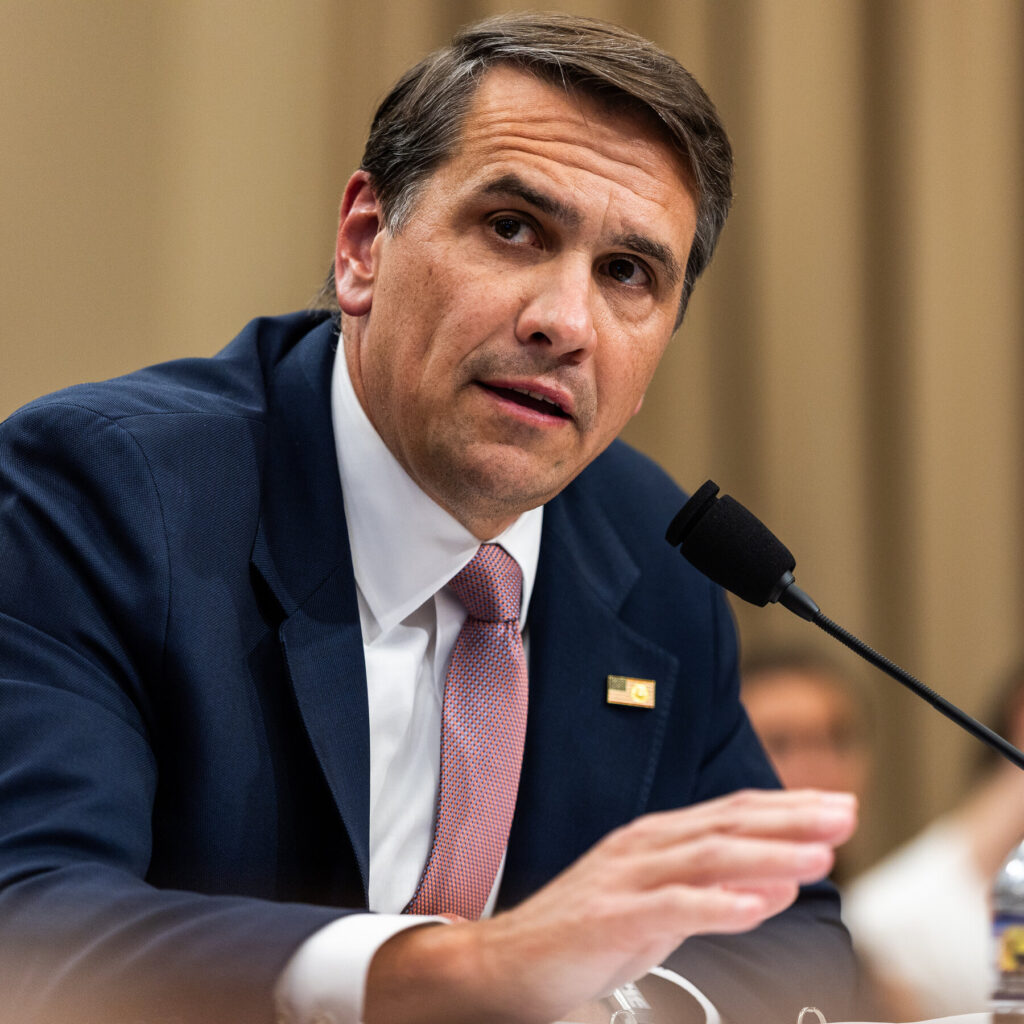
Todd Blanche’s nomination for U.S. Attorney General recently passed a key hurdle by securing approval from the Senate Judiciary Committee. This development brings him closer to leading the Justice Department, but the path ahead is fraught with challenges. With a closely divided Senate, Blanche’s confirmation depends on maintaining nearly unanimous support from his party, highlighting the political complexities surrounding this pivotal appointment.
Committee Approval Marks Significant Progress
The Senate Judiciary Committee’s vote in favor of Todd Blanche represents a critical milestone in the confirmation process. Committee approval is a necessary step before a nominee can be considered by the full Senate. Blanche’s ability to secure this endorsement demonstrates that he has garnered sufficient support among committee members, who scrutinize nominees’ qualifications and suitability for the role.
The committee’s decision reflects a level of confidence in Blanche’s legal expertise and his vision for the Justice Department. It also suggests that he successfully addressed concerns raised during the hearings, which often focus on nominees’ past records, policy positions, and potential conflicts of interest.
The Judiciary Committee’s role is especially important because it serves as the Senate’s first line of evaluation, vetting candidates through rigorous questioning and investigation. Blanche’s passage through this stage indicates that he met the committee’s standards despite the often intense scrutiny nominees face in today’s politically charged environment.
A Narrow Margin in a Divided Senate
Despite the committee’s backing, Blanche’s confirmation on the Senate floor is far from guaranteed. The Senate is currently polarized along party lines, and Blanche’s nomination is expected to face a party-line vote. Under these circumstances, he can afford to lose only two senators from his own party to achieve confirmation.
This slim margin underscores the precarious nature of his candidacy. Even minor shifts in support could derail the nomination, reflecting the broader partisan dynamics that often characterize high-profile appointments. Senators may weigh various factors, including constituent opinions, political strategy, and the nominee’s perceived alignment with their values.
The tight vote threshold also illustrates the increasingly fragmented nature of Senate politics, where party unity is critical but not always assured. Individual senators may face pressure from interest groups, their electorate, or personal convictions, all of which can influence their final vote.
Given the razor-thin margin, Blanche’s team and Senate leadership are likely engaged in intensive lobbying efforts to secure every possible vote. This includes addressing concerns from hesitant senators and reinforcing the nominee’s qualifications and commitment to impartial justice.
Political Implications of the Attorney General Nomination
The Attorney General plays a crucial role in shaping U.S. legal and law enforcement policies, making this nomination highly significant. Blanche’s confirmation would influence the Justice Department’s approach to issues such as civil rights enforcement, criminal justice reform, and federal investigations.
Given the contentious political environment, the nomination process also serves as a barometer of the current Senate’s willingness to cooperate across party lines. The outcome may impact the administration’s ability to implement its legal agenda and could set precedents for future confirmations.
Moreover, the scrutiny Blanche has faced during the hearings reflects the increasing politicization of judicial and executive branch appointments. Senators often use these proceedings to highlight broader ideological battles, which can complicate the confirmation process.
The role of Attorney General extends beyond legal oversight; it encompasses directing federal law enforcement agencies and influencing national security policies. Consequently, the nominee’s philosophy and priorities can have far-reaching effects on how laws are enforced and which issues receive focus at the federal level.
In this context, Blanche’s stance on key issues such as civil liberties, law enforcement accountability, and federal prosecution priorities will be closely examined by both supporters and critics. His confirmation could signal a shift in the Justice Department’s direction, affecting policies that resonate throughout the country.
Next Steps: Senate Floor Vote and Potential Outcomes
Following committee approval, Blanche’s nomination will be scheduled for a vote by the full Senate. This vote will determine whether he officially assumes the role of Attorney General. The timing of the floor vote can be influenced by legislative priorities, political negotiations, and strategic considerations.
If Blanche secures the necessary votes, he will become the head of the Justice Department, tasked with overseeing federal law enforcement and legal affairs. Conversely, if he fails to obtain confirmation, the administration will need to nominate an alternative candidate, potentially prolonging the vacancy and affecting departmental leadership.
The Senate vote will be closely watched by political analysts, legal experts, and the public, given the Attorney General’s impact on national policy and justice administration. The outcome could also influence the administration’s momentum on other key nominations and legislative initiatives.
In the event of a failed confirmation, the Justice Department could face operational challenges, including delays in policy implementation and diminished morale among staff. Such a scenario would underscore the political risks inherent in high-profile appointments during periods of intense partisan division.
Observers will also be attentive to how this confirmation process might affect future nominations and the broader relationship between the executive branch and the Senate, particularly in an era of heightened political polarization.
What this means
Todd Blanche’s progression through the Senate Judiciary Committee marks a significant step toward his potential confirmation as Attorney General. However, the narrow margin for success in the Senate reflects the broader political tensions surrounding this critical appointment. As the full Senate prepares to vote, the outcome will not only determine the leadership of the Justice Department but also signal the current state of bipartisan cooperation in confirming key government officials. Observers will be closely monitoring the vote for indications of how the Senate navigates these high-stakes decisions amid a divided political landscape.
Source: Todd Blanche Clears Committee Vote, Nearing Confirmation as Attorney General via www.nytimes.com.
This article was curated with AI assistance and reviewed according to Tamfis editorial settings.