Politics
How Minnesota Figures Into the Presidential Politics of Insulin Prices
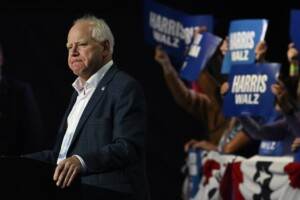
Politics tamfitronics Minnesota Gov. Tim Walz attends a rally in Asheville, North Carolina, on Sept. 17. Minnesota led the way on in...
TAMFIS NIG LTDRC 8067447CAC ACTIVEFinima, Bonny Island, Rivers State

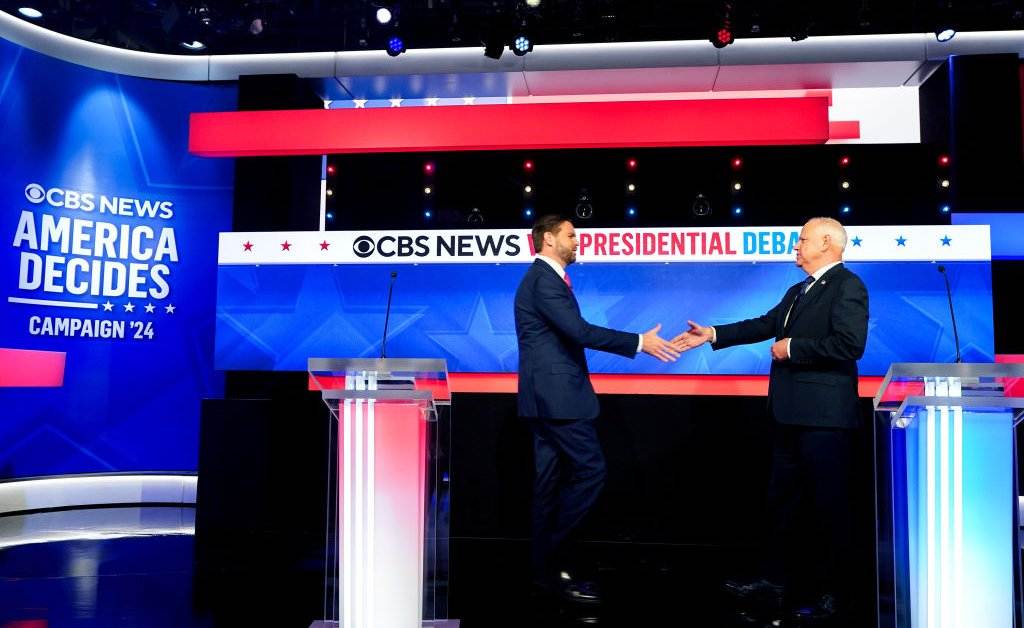
Vice Presidential debates, often overshadowed by their Presidential counterparts, hold a unique place in American political culture. These events are not merely about policy exposition but serve as critical stages where candidates perform, connect, and define their political identities. The recent debate between J.D. Vance and Tim Walz exemplifies how performance, beyond policy expertise, significantly shapes voters’ perceptions and democratic discourse. This article explores the multifaceted role of VP debates, analyzing how performance dynamics influence political narratives, media cycles, and ultimately, the democratic process.
Vice Presidential debates often spark intense media attention, yet their fundamental purpose is frequently misunderstood or overlooked. Unlike Presidential debates, which typically dominate election cycles, VP debates serve as complementary forums that highlight the strengths and weaknesses of the candidates who might assume the highest office if necessary. They help voters assess the readiness, temperament, and vision of potential successors.
These debates also play a crucial role in generating a shared national experience. As millions tune in, the events become focal points for public discourse, inviting citizens to engage with core political values and policy questions. This shared engagement fosters social cohesion, allowing diverse communities to reflect on collective priorities despite increasing political polarization.
Critics sometimes dismiss VP debates as mere media spectacles, accusing them of manufacturing pseudo-events designed to sustain news cycles rather than inform voters meaningfully. However, the debates’ capacity to bring citizens together and stimulate dialogue underscores their democratic significance beyond transient media hype.
A defining characteristic of VP debates is the interplay between substantive policy discussion and the performative aspects of political communication. Candidates must not only convey their platforms but also embody qualities that resonate emotionally with viewers, such as likability, authenticity, and leadership presence.
In the recent Vance-Walz debate, this dichotomy was particularly evident. While there was more in-depth policy discourse compared to previous high-profile debates, the candidates’ performances heavily influenced public perception. Tim Walz’s approachable, everyman demeanor contrasted with J.D. Vance’s polished, strategic delivery, showcasing different approaches to political engagement.
This contrast highlights a broader reality: voters often weigh candidates’ communication styles and interpersonal skills as heavily as their policy expertise. Performance becomes a vehicle through which political identities are constructed and contested, shaping democratic participation in subtle but profound ways.
Media coverage plays a pivotal role in shaping how VP debates are received and interpreted by the public. The framing of candidates’ performances, choice of soundbites, and emphasis on particular moments can amplify or diminish aspects of the debate, influencing voter attitudes and discourse.
For instance, J.D. Vance’s transition from ‘weird’ to ‘slick’ in media narratives demonstrates how framing can recontextualize a candidate’s image. His polished demeanor and strategic distancing from previous controversial remarks were highlighted, shaping perceptions of his readiness and appeal.
Conversely, Tim Walz was portrayed as relatable but lacking in debate finesse, reflecting media’s focus on performative competence. These portrayals not only affect individual voter opinions but also contribute to broader narratives about party strengths, candidate viability, and electoral prospects.
In an era marked by intense polarization and often vitriolic political discourse, civility in debates stands out as a noteworthy element. The recent VP debate was characterized by a surprising level of respectful engagement, with candidates acknowledging common ground and demonstrating empathy even amid disagreements.
Civility serves multiple democratic functions: it models constructive political behavior, encourages reasoned debate over personal attacks, and fosters an environment where diverse viewpoints can coexist. This helps counteract the fragmentation of media and social discourse, promoting social cohesion.
Moreover, civil debate performances can enhance public trust in democratic institutions by showing that political rivals can engage professionally and thoughtfully. This is particularly important in vice presidential debates, where the candidates’ potential to assume the presidency underscores the need for responsible leadership.
The strategic choices political parties make in selecting VP candidates profoundly shape the dynamics of debates. These choices reflect broader campaign goals, such as appealing to specific voter demographics or emphasizing particular leadership qualities.
In the Democratic camp, Tim Walz was chosen for his likability and relatable persona rather than debate mastery or policy command. This decision was intended to humanize the ticket and connect with everyday voters on a personal level, even if it meant sacrificing some debate sharpness.
On the Republican side, J.D. Vance’s background as a skilled debater and polished communicator positioned him to dominate the performative aspect of the debate. His ability to control the narrative and employ rhetorical strategies exemplifies how candidate selection aligns with campaign strategies focused on persuasion and image management.
Notably, the recent VP debate lacked substantive discussion of pressing global issues such as the conflict in Ukraine or Iran’s missile attacks on Israel. This omission raises questions about the priorities set by moderators and campaigns in framing debate agendas.
The focus on domestic policy and cultural topics suggests a strategic narrowing designed to resonate with specific voter bases or avoid contentious foreign policy debates that might alienate segments of the electorate. However, this approach risks underinforming voters about critical international challenges that impact national security and global stability.
The absence also reflects broader trends in American electoral politics, where foreign policy often takes a backseat to domestic concerns. This prioritization shapes democratic discourse, potentially limiting public engagement with the full spectrum of policy issues that affect the nation’s future.
While VP debates may not always shift electoral outcomes dramatically, their significance lies in modeling democratic engagement and political behavior. They remind citizens that democracy is not only about policy but also about how political actors communicate, negotiate, and represent collective values.
These debates provide a platform for voters to evaluate leadership qualities such as composure, empathy, and the ability to articulate vision under pressure. Such assessments are vital in a democratic system where public trust and legitimacy hinge on perceived competence and character.
Furthermore, VP debates contribute to the ritualistic fabric of democracy, creating shared moments that transcend partisan divides. They encourage reflection, dialogue, and sometimes even compromise, which are essential for the health and resilience of democratic societies.
The recent Vice Presidential debate between J.D. Vance and Tim Walz offered more than a contest of policy knowledge; it illuminated how performance intricately shapes democratic processes. From media framing to civility and candidate selection, the dynamics of political performance influence not only voter perceptions but also the broader health of democracy. While debates may not always alter election outcomes, they remain vital democratic rituals that foster engagement, reflection, and social cohesion. Recognizing the importance of performance alongside policy enriches our understanding of democracy’s evolving nature and underscores the need for thoughtful, respectful political discourse.
Originally reported by time.com. Adapted for our readers.
Keep reading
Politics
Politics tamfitronics Minnesota Gov. Tim Walz attends a rally in Asheville, North Carolina, on Sept. 17. Minnesota led the way on in...
Politics
Deji Adeyanju; Niger State Mining Victims Human rights lawyer and activist, Deji Adeyanju, has accepted his appointment as a member of the Federal Government’s…
Politics
Democracy, Featured, Global, Global Governance, Headlines, International Justice, IPS UN: Inside the Glasshouse, TerraViva United Nations UNITED NATIONS, Sep 11 2026 (IPS) – When…
TAMFIS NIG LTD
Electrical and instrumentation engineering, bid preparation and consulting, IT and software.