Politics
Science vs politics: Kiwi’s long road to EU health-claim approval
In August 2025, Zespri, the world’s largest marketer of kiwifruit, announced that the European Commission had approved what it described as the first health…
TAMFIS NIG LTDRC 8067447CAC ACTIVEFinima, Bonny Island, Rivers State

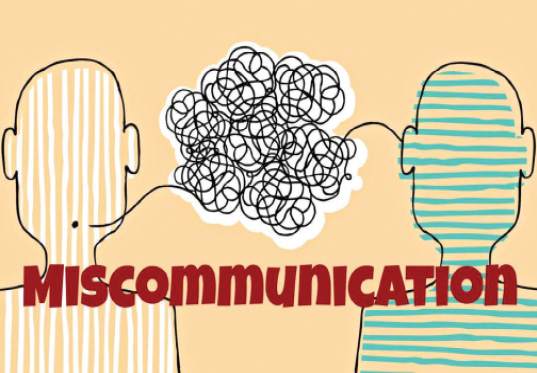
In recent years, Nigeria has witnessed a surge in the use of disinformation and misinformation, particularly within its political arena. These deceptive tactics have profoundly influenced electoral outcomes, voter perceptions, and societal cohesion. From the 2015 general elections to the present, the manipulation of facts and language has undermined democratic processes and fueled divisions along ethnic, religious, and political lines. This article provides a comprehensive examination of how disinformation and misinformation operate in Nigeria, their historical context, the role of social media, legislative responses, and the challenges that remain in ensuring credible elections and informed citizenry.
Disinformation and misinformation, while often used interchangeably, have distinct meanings. Disinformation refers to the deliberate spread of false information with intent to deceive, whereas misinformation involves the unintentional sharing of inaccurate information. In Nigeria, both have been harnessed as potent tools to influence public opinion, particularly during election periods.
The multifaceted nature of Nigeria’s diverse society—with its ethnic, religious, and regional complexities—makes it particularly susceptible to the damaging effects of false narratives. Misleading information can quickly escalate tensions, deepen mistrust, and polarize communities, thereby threatening national unity and stability.
Moreover, the proliferation of digital communication platforms has amplified the reach and speed at which disinformation and misinformation spread. This dynamic environment has challenged traditional mechanisms of verifying facts, making it harder for citizens to distinguish truth from falsehood.
The 2015 general elections in Nigeria marked a significant moment when disinformation became a central feature of political campaigns. Candidates and their supporters employed divisive language and false claims to undermine opponents, often exploiting ethnic and religious sentiments to galvanize their bases.
Despite provisions in the Electoral Act 2010 that prohibit inflammatory and false statements during campaigns, enforcement was lax. This allowed misinformation about candidates’ health, qualifications, and personal lives to circulate unchecked, shaping voter perceptions and decisions.
This election cycle illustrated the dangerous potential of language misuse, as it not only influenced electoral outcomes but also exacerbated societal divisions. The unchecked spread of falsehoods set a precedent that complicated efforts to promote credible and peaceful elections in subsequent years.
By 2019, the landscape of disinformation had evolved dramatically with the rise of social media platforms such as Facebook, Twitter, and WhatsApp becoming primary channels for political communication. These platforms enabled rapid dissemination of manipulated content, including doctored images, fabricated statistics, and fake news articles.
Although the Electoral Act was amended in 2018 to strengthen prohibitions against defamatory language and false statements, the digital realm presented new enforcement challenges. Political actors exploited these gaps to launch sponsored campaigns filled with misleading narratives aimed at discrediting rivals and influencing voter behavior.
The 2019 elections thus unfolded in a post-truth environment where emotional appeals and polarizing rhetoric often overshadowed factual discourse. This environment complicated efforts to hold candidates accountable and undermined public trust in the electoral process.
In response to the growing threat of disinformation, the Nigerian government introduced the Electoral Act 2022, which incorporated stricter regulations on campaign conduct. Notably, Section 92 prohibits the use of abusive, slanderous, or hateful language, while Section 94(4) restricts messaging that could incite violence or unrest.
These reforms aimed to create a more transparent and fair electoral environment by curbing the spread of false information and promoting accountability among political actors. The legislation also sought to address digital misinformation by encouraging closer monitoring of online content during election cycles.
Despite these legal advancements, enforcement remains a significant hurdle. Political parties and candidates continue to find loopholes, and regulatory bodies often lack the resources or political will to effectively police disinformation, resulting in persistent challenges to electoral integrity.
One of the core challenges in combating disinformation in Nigeria is the limited capacity of regulatory institutions to monitor and respond swiftly to false narratives, especially on social media. The vast volume of content and the speed of dissemination overwhelm traditional oversight mechanisms.
Additionally, the politicization of regulatory bodies often undermines their impartiality, leading to selective enforcement or inaction against powerful political interests. This erosion of trust further emboldens actors who spread misinformation with little fear of consequences.
Public awareness and media literacy also remain low, making many citizens vulnerable to manipulation. Without comprehensive educational initiatives to equip Nigerians with critical thinking skills and fact-checking tools, disinformation is likely to continue influencing political discourse and voter behavior.
Independent media organizations and civil society groups play a crucial role in countering disinformation by fact-checking claims, providing accurate information, and holding political actors accountable. Their work helps to expose falsehoods and educate the public on discerning credible sources.
Collaborations between media outlets and technology platforms have also emerged to develop tools that flag or reduce the spread of misleading content. These initiatives aim to create safer online spaces where truthful information can thrive.
However, these efforts face obstacles such as limited funding, political pressure, and threats against journalists and activists. Strengthening protections for these groups is essential to ensure they can continue their vital work in promoting transparency and democratic engagement.
As the Edo State elections approach, early signs indicate that disinformation will once again be a tool for political manipulation. False claims, inflammatory remarks, and unverified accusations are already circulating, mirroring patterns from previous election cycles.
The persistence of such tactics underscores the need for proactive measures by electoral authorities, media, and civil society to monitor and counteract misleading narratives before they escalate tensions or distort voter perceptions.
Voters’ ability to critically evaluate information and demand accountability from candidates will be pivotal in mitigating the impact of disinformation. Engaged and informed electorates are the best defense against the corrosive effects of falsehoods on Nigeria’s democracy.
Disinformation and misinformation remain formidable challenges to Nigeria’s democratic process. While legislative reforms and the efforts of media and civil society offer pathways to mitigate these risks, persistent enforcement gaps and low public awareness hinder progress. For Nigeria to strengthen its electoral integrity and national cohesion, a multi-faceted approach is necessary—one that combines robust legal frameworks, empowered regulatory institutions, informed citizens, and resilient media ecosystems. As Nigeria continues to navigate its complex political landscape, addressing the scourge of false information is critical to ensuring free, fair, and peaceful elections.
Originally reported by dailytrust.com. Adapted for our readers.
Keep reading
Politics
In August 2025, Zespri, the world’s largest marketer of kiwifruit, announced that the European Commission had approved what it described as the first health…
News
By Engr. Tamunofiniarisa BrownReading Time: 6 Minutes The conflict between Russia and Ukraine is often framed in the media as a simple battle between…
Politics
Twenty-five years after the September 11 attacks, the family of Marine Travis Fuller reflects on his death in the Iraq War, grappling with the…
TAMFIS NIG LTD
Electrical and instrumentation engineering, bid preparation and consulting, IT and software.