Politics
Yari’s 2027 Campaign Strategy: How to Evaluate Claims About Tinubu’s Record
Yari says the APC will emphasise Tinubu’s achievements in 2027. This analysis explains how voters can examine outcomes, baselines and campaign evidence.
TAMFIS NIG LTDRC 8067447CAC ACTIVEFinima, Bonny Island, Rivers State

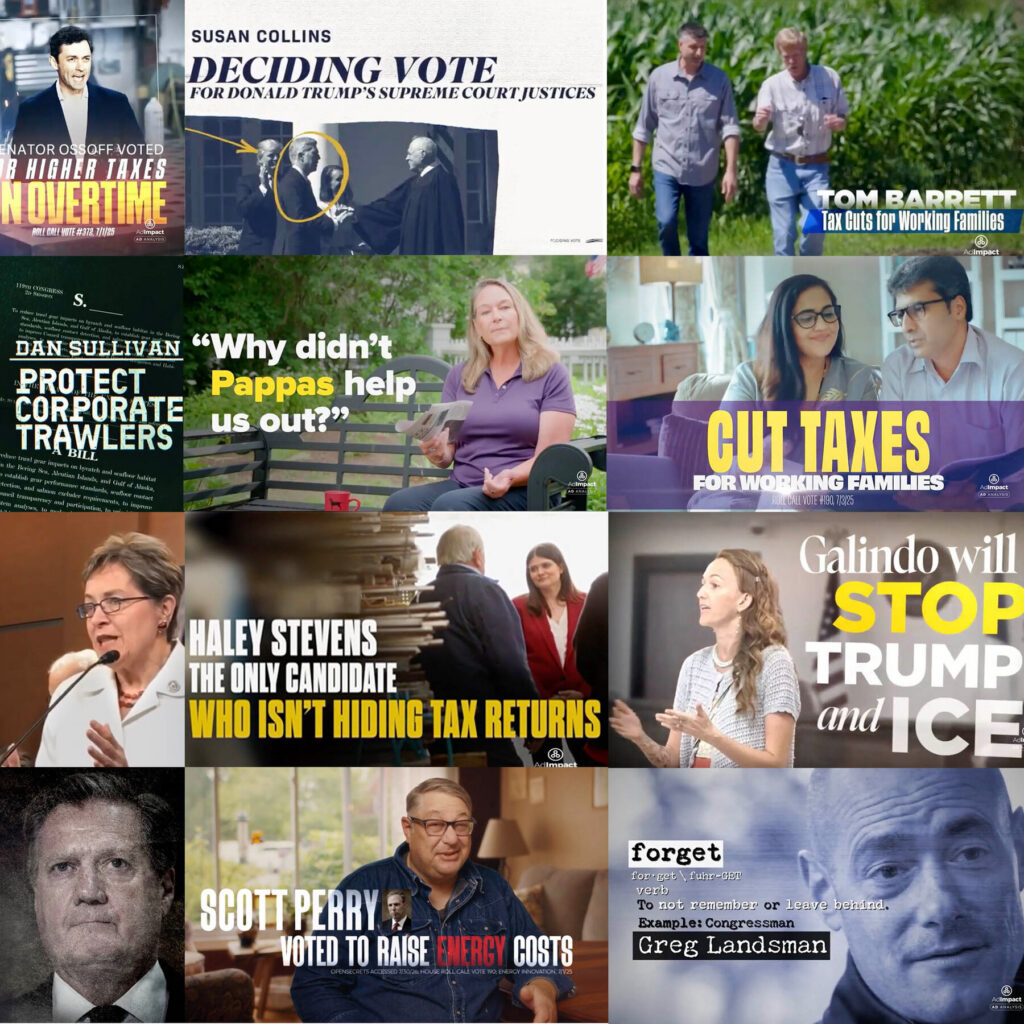
The 2026 midterm elections are shaping up to be among the most financially opaque in recent American history. With at least $1 billion pouring into campaigns from undisclosed donors, dark money has become a pervasive force across nearly every major race. While the phenomenon of anonymous political spending is not new, its scale and reach have expanded dramatically, prompting questions about the influence of hidden interests on the democratic process. This article examines the scope of dark money in the upcoming elections, the mechanisms enabling its spread, and the implications for voters and policymakers alike.
Dark money refers to political spending by nonprofit organizations that are not required to disclose their donors. These groups can funnel unlimited amounts of money into campaigns, advertisements, and other political activities without revealing the sources of their funding. The term gained prominence following the 2010 Supreme Court decision in Citizens United v. Federal Election Commission, which allowed corporations and unions to spend unlimited funds on political advocacy, leading to a surge in anonymous contributions.
While dark money has been part of the political landscape for over a decade, its role has expanded significantly in recent election cycles. The 2026 midterms represent a new peak, with experts estimating that at least $1 billion from undisclosed donors will influence races nationwide. This growth reflects both the increasing sophistication of political finance networks and the strategic use of nonprofit entities to obscure funding origins.
The infusion of dark money into the 2026 midterms is unprecedented in scale. Unlike previous elections where such funds were concentrated in select battleground states or high-profile contests, this cycle sees dark money permeating nearly every major race across the country. From Senate and House contests to key gubernatorial battles, anonymous donors are deploying vast resources to shape outcomes.
This widespread presence is facilitated by a complex web of nonprofit organizations, including 501(c)(4) social welfare groups and 501(c)(6) trade associations, which can legally engage in political activity without disclosing their donors. These groups often coordinate spending through intermediaries, making it challenging to trace money back to its original source. The result is a political environment where voters may be unaware of who is backing candidates or issues, complicating efforts to hold elected officials accountable.
Several factors have contributed to the growth of dark money in recent years. Legal rulings, such as Citizens United and subsequent decisions, have relaxed restrictions on political spending by corporations and nonprofits. Additionally, regulatory gaps allow nonprofits to engage in political activities while shielding donor identities.
The rise of super PACs and hybrid organizations has also facilitated the flow of dark money. These entities can accept unlimited contributions and spend independently of candidates’ campaigns, often coordinating through informal channels. Moreover, the use of shell organizations and complex financial transactions obscures the money trail, making it difficult for regulators and the public to identify the true sources of funding.
Technological advances in digital advertising have further amplified the impact of dark money. Anonymous groups can target specific voter demographics with tailored messages, increasing the effectiveness of their spending while minimizing transparency.
The surge in dark money raises significant concerns about the integrity of the democratic process. When large sums of money from undisclosed donors influence elections, it undermines transparency and accountability. Voters may find it challenging to discern whose interests candidates represent, potentially eroding trust in elected officials and institutions.
Moreover, dark money can skew political competition by amplifying the voices of wealthy individuals and special interests at the expense of ordinary citizens. This imbalance may lead to policy outcomes that favor donors rather than the broader electorate, weakening the representative nature of democracy.
The lack of disclosure also hampers efforts to combat corruption and undue influence. Without knowing who funds political campaigns, watchdog groups and regulators face obstacles in identifying conflicts of interest or illegal activities.
In response to the growing influence of dark money, advocates and policymakers have proposed various reforms aimed at increasing transparency and limiting anonymous political spending. These include legislation requiring nonprofits engaged in political activity to disclose their donors, enhanced reporting requirements for super PACs, and stricter enforcement of existing campaign finance laws.
Some states have implemented their own disclosure rules and public financing systems to reduce the impact of dark money in local and state elections. Additionally, watchdog organizations continue to investigate and expose dark money networks, raising public awareness about the issue.
However, reform efforts face significant challenges, including legal obstacles, political resistance, and the complexity of the financial structures involved. Balancing the protection of free speech with the need for transparency remains a contentious debate in the realm of campaign finance.
Given the pervasive presence of dark money in the 2026 midterms, voters should approach campaign information critically and seek out reliable sources. Understanding the role of undisclosed funding can help citizens better evaluate candidates’ positions and motivations.
Engagement in local and state-level reforms, supporting organizations that promote transparency, and advocating for stronger campaign finance laws are ways individuals can contribute to addressing the issue. Public pressure on elected officials to prioritize transparency reforms is essential for meaningful change.
Ultimately, an informed electorate is crucial to countering the influence of dark money and preserving the integrity of democratic elections.
The 2026 midterm elections highlight the expanding role of dark money in American politics, presenting significant challenges to transparency and democratic accountability. While anonymous funding is not a new phenomenon, its unprecedented scale and reach underscore the urgent need for reforms that illuminate the sources of political influence. For democracy to thrive, voters, policymakers, and watchdogs must work together to ensure that elections are conducted openly and fairly, enabling citizens to make informed choices free from hidden agendas. As the midterms approach, understanding the dynamics of dark money is essential for safeguarding the integrity of the electoral process.
Originally reported by nytimes.com. Adapted for our readers with AI assistance.
Keep reading
Politics
Yari says the APC will emphasise Tinubu’s achievements in 2027. This analysis explains how voters can examine outcomes, baselines and campaign evidence.
Lifestyle
Obi says his wife funds her own purchases. This analysis separates his explanation, unverified handbag prices and the evidence needed to assess public spending.
Politics
Politics tamfitronics Minnesota Gov. Tim Walz attends a rally in Asheville, North Carolina, on Sept. 17. Minnesota led the way on in...
TAMFIS NIG LTD
Electrical and instrumentation engineering, bid preparation and consulting, IT and software.