
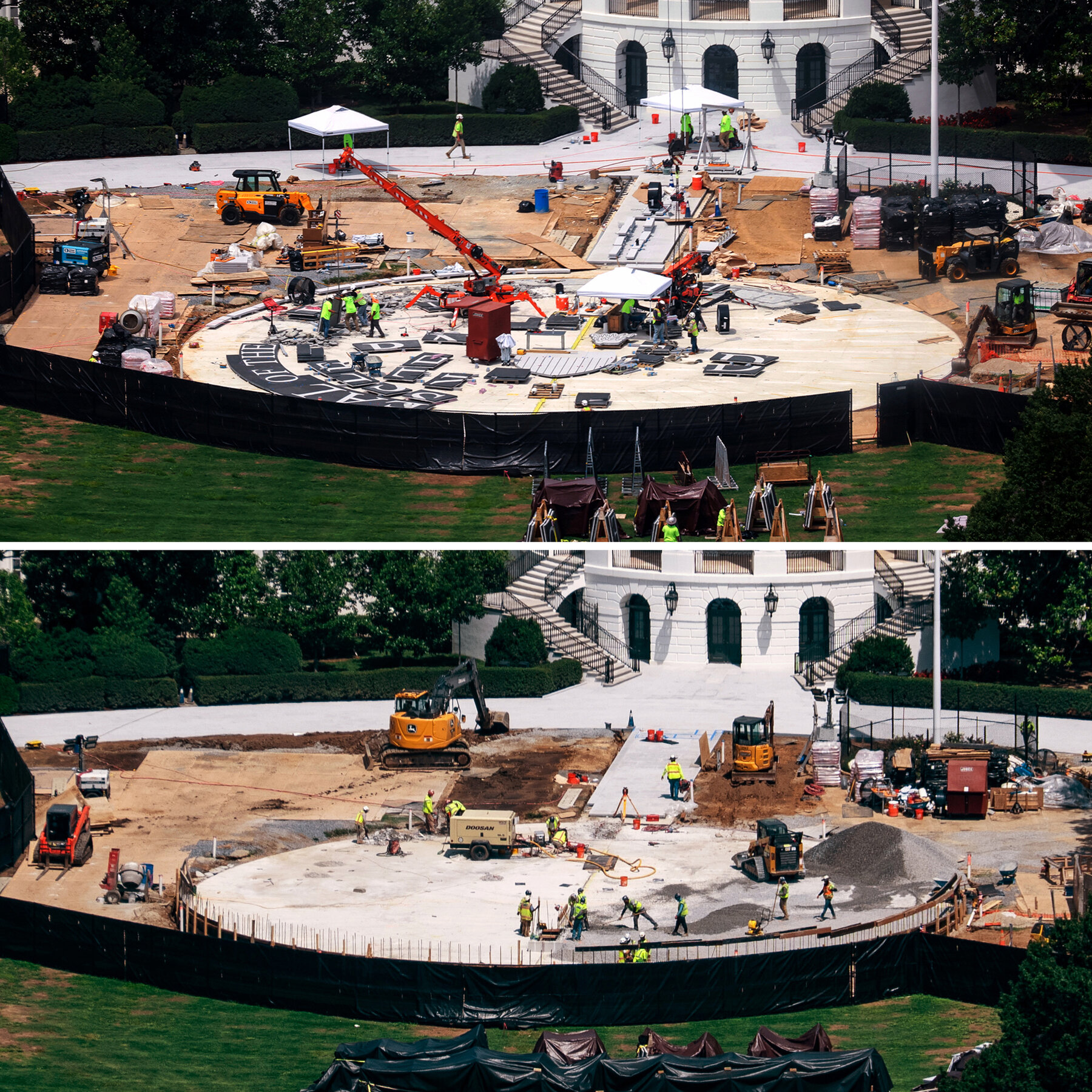
In recent weeks, a notable change occurred on the South Lawn of the White House, where a helipad project associated with former President Donald Trump was partially dismantled. Initially marked by a prominent presidential seal, the helipad’s partial removal has sparked discussion regarding its purpose, design, and the broader context of White House transportation facilities. This article explores the background of the helipad construction, the reasons behind its disassembly, and what this means for the future of presidential helicopter operations.
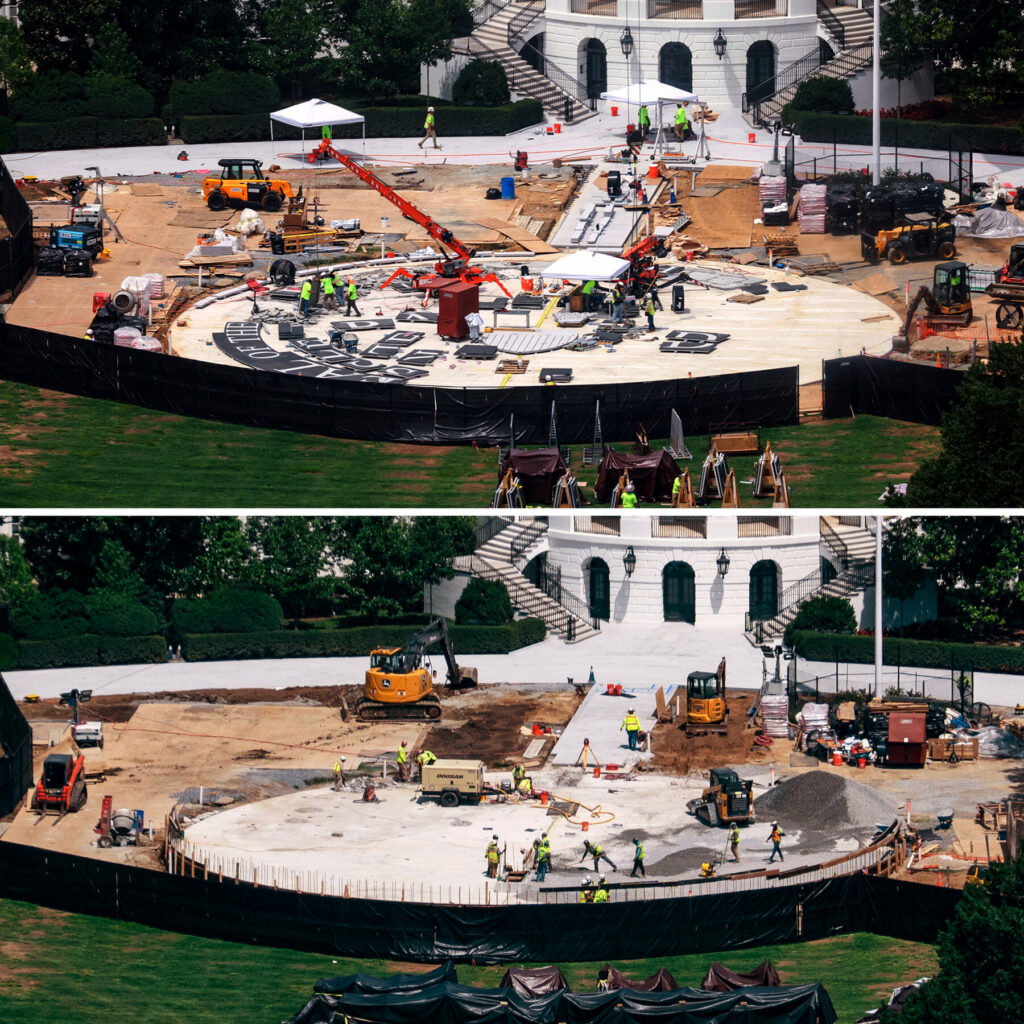
Background: The Helipad’s Emergence on the South Lawn
During Donald Trump’s presidency, a new helipad was constructed on the South Lawn of the White House. This project was notable for its scale and prominent placement, signaling a shift in how presidential helicopter landings were managed. The helipad was designed to accommodate Marine One, the helicopter used for presidential transport, providing a direct and secure landing zone closer to the West Wing than previous arrangements.
The helipad’s construction included plans to feature a large presidential seal painted at its center, symbolizing its official status and enhancing the visual prominence of the site. This seal was briefly visible last week, indicating that the decorative aspects of the project were nearing completion. The addition of this helipad represented an effort to modernize and streamline presidential transportation logistics, aiming to improve security and convenience.
Recent Developments: Disassembly and Removal of the Seal
By the Tuesday following the initial decoration, the giant presidential seal that had been painted on the helipad was removed. Photographs reveal that parts of the helipad’s structure have been disassembled, signaling a halt or possible reversal in the project’s progress. While no official explanation has been provided, the removal suggests a reconsideration of the helipad’s role, design, or necessity.
This sudden change contrasts sharply with the initial enthusiasm and investment in the helipad. The removal of such a prominent symbol as the presidential seal suggests a distancing from the project, potentially reflecting shifts in administration priorities, security assessments, or public perception. The disassembly raises questions about the long-term viability of the helipad and its integration into White House operations.
Implications for Presidential Transportation Infrastructure
The partial disassembly of the helipad raises important questions about the future of presidential transportation infrastructure. The White House has long relied on Marine One for secure and efficient transport, with designated landing zones carefully maintained to balance security, convenience, and aesthetics.
If the South Lawn helipad is not completed or maintained, it may signal a return to previous landing arrangements or the adoption of alternative solutions. This could affect the logistics of presidential travel, including timing, security protocols, and the visual presentation of presidential movements. The helipad was intended to provide a more direct and secure landing area, so its removal could complicate these factors.
Moreover, the helipad’s fate may reflect broader considerations about the use of White House grounds for infrastructure projects. Balancing operational needs with historical preservation and public perception remains a complex challenge for any administration, especially given the symbolic importance of the White House grounds.
Contextualizing the Helipad Within White House Security and Aesthetics
The White House grounds serve not only as the seat of executive power but also as a symbol of national heritage. Any structural changes, such as the addition of a helipad, must navigate the tension between functional necessity and preserving the site’s historic character.
Security considerations are paramount, as the helipad must support the safe and rapid movement of the president while minimizing vulnerabilities. Changes in threat assessments or administrative priorities can influence decisions about such infrastructure. For example, evolving security protocols or concerns about visibility and exposure may have prompted reconsideration.
The removal of the presidential seal and partial disassembly may indicate a reevaluation of these factors, emphasizing the need to maintain the integrity and security of the White House grounds without compromising operational effectiveness. This balance is delicate, as any visible changes to the grounds can attract public and political scrutiny.
Looking Ahead: What to Expect for the Helipad and Presidential Travel
While the current status of the helipad is uncertain, its partial disassembly suggests that the project will not proceed as initially planned. Future administrations may opt to redesign, relocate, or altogether abandon the helipad in favor of alternative arrangements that better align with their priorities and security assessments.
Presidential travel logistics will continue to evolve in response to technological advancements, security needs, and public expectations. The helipad’s story underscores the dynamic nature of White House infrastructure and the ongoing balancing act between tradition and innovation.
Observers and stakeholders will likely watch closely for official statements or further developments that clarify the helipad’s future role, as well as any broader shifts in White House transportation policies. The outcome will provide insight into how the White House adapts its physical infrastructure to meet the demands of modern governance while respecting its historic legacy.
What this means
The partial disassembly of the South Lawn helipad marks a significant moment in the evolution of White House infrastructure. Initially envisioned as a symbol of modern presidential transportation, the project’s current status reveals the complexities inherent in balancing security, operational efficiency, and historical preservation. As administrations change and priorities shift, the story of the helipad serves as a reminder that even seemingly straightforward infrastructure projects at the nation’s most iconic residence are subject to ongoing scrutiny and adaptation. Moving forward, the White House will continue to navigate these challenges, ensuring that presidential transport remains secure and effective without compromising the legacy and symbolism of the grounds.
Source: Parts of Trump’s New White House Helipad Disassembled, Photos Show via www.nytimes.com.
This article was curated with AI assistance and reviewed according to Tamfis editorial settings.