Politics
How Minnesota Figures Into the Presidential Politics of Insulin Prices
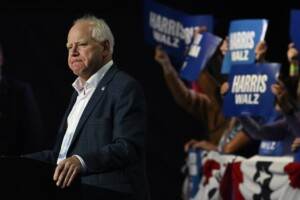
Politics tamfitronics Minnesota Gov. Tim Walz attends a rally in Asheville, North Carolina, on Sept. 17. Minnesota led the way on in...
TAMFIS NIG LTDRC 8067447CAC ACTIVEFinima, Bonny Island, Rivers State

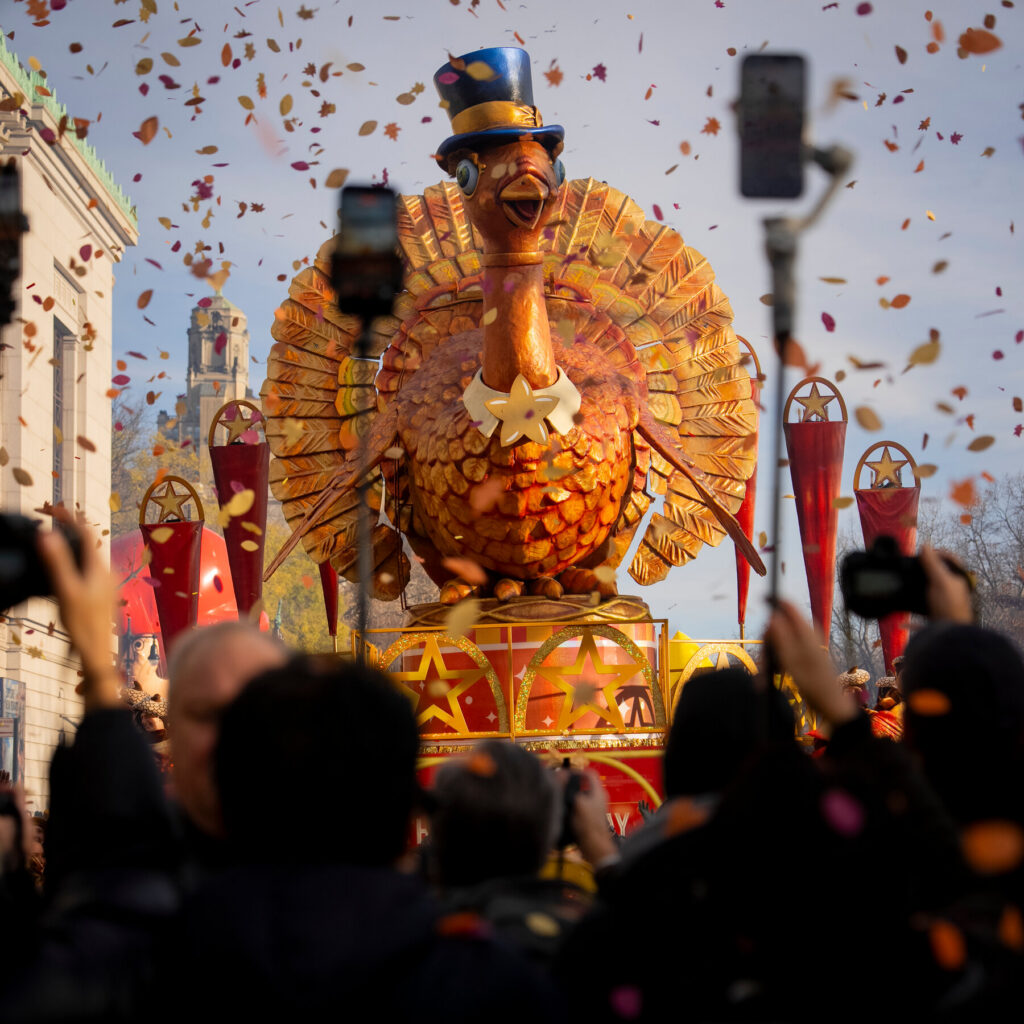
Thanksgiving, traditionally celebrated as a time for family gatherings and gratitude, has increasingly become a subject of political debate. This shift was spotlighted recently when Francesca Hong, a Wisconsin assemblywoman and gubernatorial candidate, faced scrutiny over past tweets in which she suggested canceling the holiday. These comments, resurfaced ahead of the state’s Democratic primary, have sparked discussions about the holiday’s historical context and its place in contemporary political conversations. Understanding this controversy requires examining the origins of Thanksgiving, the evolving cultural perspectives surrounding it, and the role of social media in amplifying political discourse.
Thanksgiving has long been celebrated in the United States as a day of giving thanks for the harvest and blessings of the past year. Its origins trace back to early colonial times, often associated with the 1621 feast shared between Pilgrims and Native Americans. This event has been traditionally portrayed as a harmonious gathering symbolizing cooperation and gratitude.
However, this narrative has been increasingly challenged for oversimplifying and glossing over the complex and often painful history of colonization, displacement, and violence experienced by Indigenous peoples. The arrival of European settlers led to profound disruptions of Native American societies, including loss of land, culture, and lives.
Many Native American communities view Thanksgiving not as a celebration but as a reminder of suffering and loss. For them, the holiday symbolizes the beginning of centuries of oppression and marginalization. This perspective has inspired alternative commemorations such as the National Day of Mourning, held annually to honor Indigenous ancestors and highlight ongoing struggles for rights and recognition.
The contested legacy of Thanksgiving thus sets the stage for political debates about its relevance and appropriateness in modern society. It raises important questions about whose history is celebrated and how national narratives are constructed and maintained.
Francesca Hong, a progressive assemblywoman from Wisconsin, became a focal point of controversy when her past tweets calling for the cancellation of Thanksgiving resurfaced during the state’s Democratic primary for governor. In these tweets, Hong expressed concerns about the holiday’s historical implications and its impact on Indigenous communities, urging a reconsideration of how the holiday is observed.
Supporters of Hong argue that her stance reflects a necessary reckoning with uncomfortable truths about American history. They see her comments as a call to reimagine traditions in a more inclusive and honest way, acknowledging the pain associated with the holiday for Indigenous peoples. This perspective aligns with broader movements advocating for social justice and historical awareness.
Critics, however, view her comments as divisive and disrespectful to a cherished national holiday that many Americans hold dear as a time for family and gratitude. They argue that calls to cancel Thanksgiving overlook its cultural significance and risk alienating voters who value tradition.
The resurfacing of these tweets illustrates how social media statements can be weaponized in political campaigns, often overshadowing broader policy discussions. Hong’s experience underscores the challenges politicians face when addressing culturally sensitive issues in the digital age.
Social media platforms have transformed political communication by enabling rapid dissemination and amplification of messages. This immediacy allows past statements, such as Hong’s tweets, to be dug up and used strategically by opponents, sometimes years after they were made.
In Hong’s case, a single tweet became a focal point of political attack, often detached from its original context and nuance. The brevity and permanence of social media posts make it difficult to convey complex ideas, leading to oversimplification and misinterpretation.
Moreover, social media encourages polarized conversations, where nuanced discussions about historical and cultural issues are often reduced to soundbites or slogans. This environment can hinder constructive dialogue and deepen divisions, especially around sensitive topics like national holidays and identity.
The dynamics of social media also incentivize sensationalism and controversy, which can distract from substantive policy debates and contribute to a more fragmented political landscape.
The controversy surrounding Thanksgiving and Francesca Hong’s tweets reflects broader challenges in American political discourse. It underscores the tension between honoring tradition and confronting historical injustices, a balance that is increasingly difficult to maintain in a diverse society.
Politicians and the public alike are navigating how to balance respect for cultural heritage with the need for inclusivity and historical accuracy. This debate raises important questions about the role of elected officials in addressing cultural issues: should they engage in reexamining traditions, or focus primarily on policy matters?
Hong’s case suggests that cultural conversations are increasingly intertwined with political identity and electoral strategy. Candidates’ positions on cultural topics can influence voter perceptions and campaign dynamics, sometimes overshadowing other issues.
Ultimately, the politicization of Thanksgiving illustrates the evolving nature of American identity and the ongoing struggle to reconcile a complex past with a diverse present. It highlights the need for thoughtful engagement with history that acknowledges multiple perspectives without deepening societal divides.
As the political landscape continues to evolve, the conversation around Thanksgiving serves as a microcosm of larger societal debates about history, identity, and inclusion. Moving forward, there may be opportunities to reshape how holidays are observed to acknowledge multiple perspectives and histories.
Educational initiatives that incorporate Indigenous histories and experiences can foster greater awareness and understanding among the public. Inclusive celebrations that honor diverse traditions may help bridge cultural divides and create a more unified sense of community.
Open dialogues about the meanings and implications of national holidays can encourage empathy and reduce polarization. For politicians like Francesca Hong, engaging thoughtfully with cultural issues may resonate with constituents seeking authenticity and progress.
However, the challenge remains to balance respect for deeply held traditions with the imperative to address historical and contemporary injustices. How this balance is struck will likely influence political dynamics and cultural conversations in the years to come, shaping the nation’s collective identity.
The controversy surrounding Francesca Hong’s tweets and the politicization of Thanksgiving underscore the complexities of navigating tradition in a diverse and evolving society. While the holiday remains a cherished occasion for many, its contested history invites critical reflection and dialogue. As political figures engage with these cultural issues, the challenge lies in fostering conversations that honor multiple perspectives without deepening divisions. Ultimately, Thanksgiving’s future as a unifying celebration may depend on the nation’s willingness to confront its past honestly and inclusively.
Originally reported by nytimes.com. Adapted for our readers with AI assistance.
Keep reading
Politics
Politics tamfitronics Minnesota Gov. Tim Walz attends a rally in Asheville, North Carolina, on Sept. 17. Minnesota led the way on in...
Politics
Nigerian human rights lawyer Deji Adeyanju has joined a Federal Government inquiry into the deaths of 37...
Politics
Democracy, Featured, Global, Global Governance, Headlines, International Justice, IPS UN: Insid...
TAMFIS NIG LTD
Electrical and instrumentation engineering, bid preparation and consulting, IT and software.