Politics
How Minnesota Figures Into the Presidential Politics of Insulin Prices
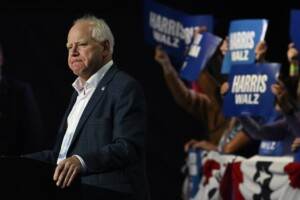
Politics tamfitronics Minnesota Gov. Tim Walz attends a rally in Asheville, North Carolina, on Sept. 17. Minnesota led the way on in...
TAMFIS NIG LTDRC 8067447CAC ACTIVEFinima, Bonny Island, Rivers State

In recent years, the Republican Party has undergone a profound transformation marked by the normalization of extremist rhetoric and behavior. This shift, significantly accelerated by former President Donald Trump's influence, has redefined the boundaries of acceptable political discourse within the party. Statements and actions once deemed shocking or disqualifying have increasingly become routine, eliciting muted responses or even support. This article explores the factors that have contributed to this normalization, the role of key figures in shaping party norms, and the broader consequences for American democracy and political engagement.
The Republican Party's gradual embrace of extreme rhetoric and behavior did not occur suddenly but evolved over the past decade through a combination of political strategy, media dynamics, and shifts in the party's voter base. The rise of populist sentiments and the fragmentation of traditional media landscapes created fertile ground for more radical positions to gain traction.
Former President Donald Trump's tenure was a pivotal moment in this evolution. His unapologetic style, willingness to flout political norms, and frequent use of inflammatory language set new precedents for what was considered acceptable within the GOP. Trump's approach often blurred the lines between political discourse and personal attacks, targeting vulnerable groups and political opponents with provocative statements.
This strategy resonated deeply with a substantial segment of the Republican base, reinforcing a cycle where increasingly extreme statements became a tool for political mobilization. The normalization of such rhetoric shifted the party's Overton window—the range of acceptable political ideas—further to the right, making previously fringe views more mainstream within GOP circles.
As extremist rhetoric became more commonplace, the public's threshold for outrage shifted accordingly. Actions and statements that once would have sparked widespread condemnation now often pass with little notice or are dismissed as routine partisan behavior. This desensitization means that only the most egregious offenses—those reaching an absurdly high level—break through the noise to capture media and public attention.
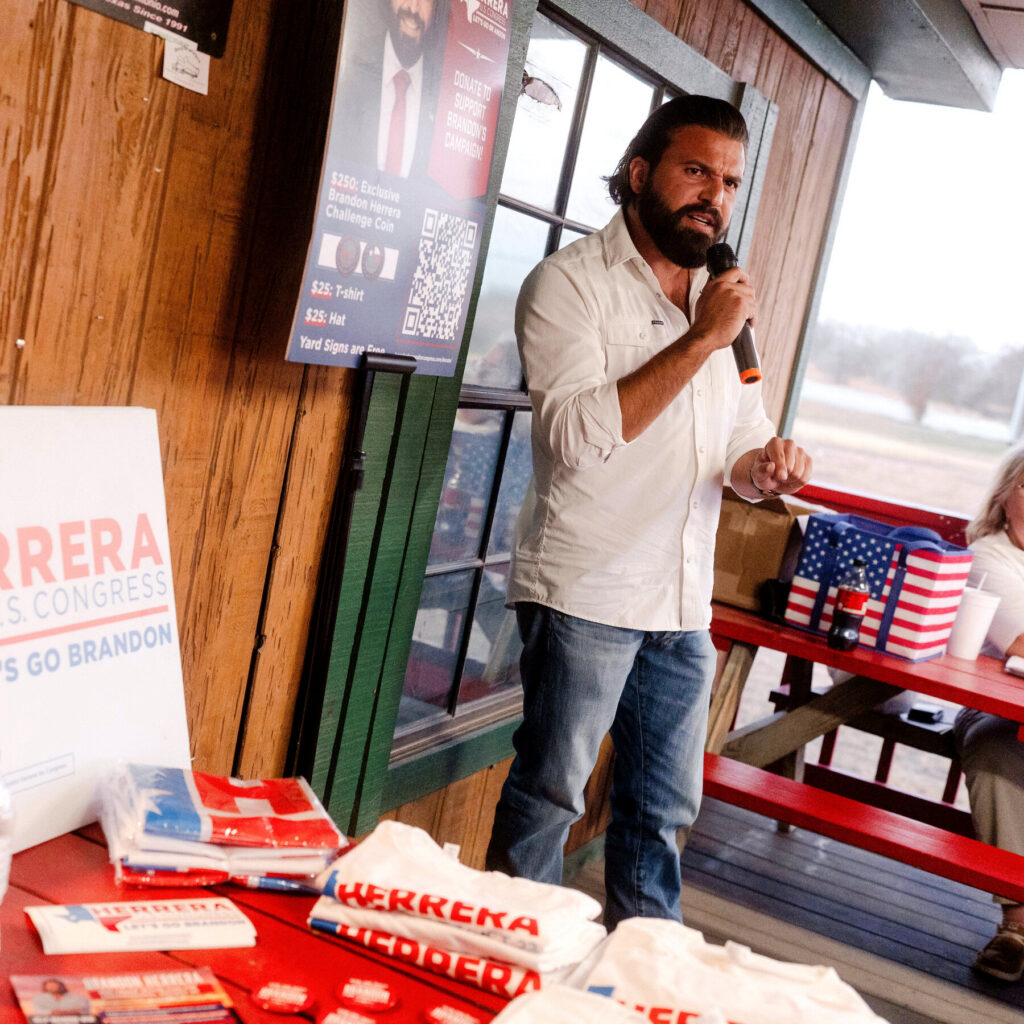
For instance, certain Republican figures have made statements or engaged in behavior involving sensitive topics such as mothers and children that many would consider offensive or obscene. Yet, these actions are frequently downplayed, ignored, or even financially supported within party circles. This illustrates how extremism has become normalized to the point that it no longer shocks or alienates the party’s core supporters.
This normalization also affects media coverage and public discourse, as journalists and commentators may become less inclined to highlight such behavior unless it reaches an extreme threshold. Consequently, the political environment becomes one where extreme rhetoric is not only tolerated but expected, further lowering the barriers to incendiary speech.
Prominent individuals within the GOP have played significant roles in shaping and reinforcing this new norm of extremism. Fundraising efforts, public endorsements, and media platforms for controversial figures signal tacit acceptance and legitimation of extreme rhetoric within the party.
This dynamic emboldens politicians and activists who engage in such behavior, while simultaneously pressuring others within the party to conform or risk marginalization. The interplay of political incentives and social pressures creates an environment where extreme views are rewarded rather than punished.
Moreover, the financial support and media amplification provided by influential party members and donors help entrench these attitudes within the GOP mainstream. This institutional backing makes it difficult for moderate voices to regain prominence, as the party increasingly defines itself by its embrace of hardline and often divisive positions.
The normalization of extremism within a major political party has profound implications for the quality and nature of political discourse in the United States. It erodes the possibility of civil debate and compromises the ability to address complex policy issues thoughtfully and respectfully.
When inflammatory language and personal attacks become routine political tools, they foster division and deepen societal polarization. This environment undermines public trust in democratic institutions and weakens the social fabric necessary for effective governance.
Additionally, the acceptance of extreme rhetoric risks alienating moderate voters and those who seek pragmatic solutions, making bipartisan cooperation increasingly difficult. The resulting political climate challenges the foundational principles of democratic governance, which rely on respectful dialogue, mutual understanding, and compromise.
This shift also has consequences beyond politics, influencing public attitudes and social cohesion. As political discourse becomes more hostile and polarized, it can exacerbate cultural divisions and contribute to a climate of mistrust and animosity among citizens.
Addressing the normalization of extremism in the GOP requires a multifaceted approach involving political leaders, media outlets, and voters. Each has a role in setting and enforcing standards for political discourse that prioritize accountability and respectful communication.
Political leaders can help by rejecting extreme rhetoric and promoting inclusive messaging that appeals across the political spectrum. Media organizations have a responsibility to provide balanced coverage that neither amplifies extremist views without context nor ignores them entirely.
Voters also play a crucial role by holding elected officials accountable for their rhetoric and behavior, supporting candidates who demonstrate a commitment to constructive dialogue and democratic norms.
At the same time, understanding the underlying causes of this shift—such as political disenfranchisement, economic anxieties, and media fragmentation—is essential for crafting effective solutions. These factors contribute to the appeal of extreme rhetoric and must be addressed to foster a healthier political environment.
While the current landscape presents significant challenges, it also offers opportunities for renewal and reform. If stakeholders commit to fostering respectful political engagement and restoring democratic values, there is potential to reverse the trend of normalized extremism and rebuild a more inclusive and functional political discourse.
The transformation of the Republican Party's political discourse towards normalized extremism represents a significant shift in American politics. While this evolution reflects broader societal and media trends, it poses serious risks to democratic norms and civil engagement. Recognizing and addressing these changes is crucial for fostering a political environment where respectful, constructive dialogue can thrive. As the nation navigates this complex landscape, the commitment of leaders and citizens alike to uphold democratic values will determine the health and resilience of its political future.
Originally reported by nytimes.com. Adapted for our readers with AI assistance.
Keep reading
Politics
Politics tamfitronics Minnesota Gov. Tim Walz attends a rally in Asheville, North Carolina, on Sept. 17. Minnesota led the way on in...
Politics
Deji Adeyanju; Niger State Mining Victims Human rights lawyer and activist, Deji Adeyanju, has accepted his appointment as a member of the Federal Government’s…
Politics
Democracy, Featured, Global, Global Governance, Headlines, International Justice, IPS UN: Inside the Glasshouse, TerraViva United Nations UNITED NATIONS, Sep 11 2026 (IPS) – When…
TAMFIS NIG LTD
Electrical and instrumentation engineering, bid preparation and consulting, IT and software.