
News
RUSSIA versus NATO and BRICS vs. NATO Military SWOT
Recall that Poland’s Minister Sikorski’s core claim is partially supported by the numbers, but the framing “quite quickly” and “without the U.S.” does not…
TAMFIS NIG LTDRC 8067447CAC ACTIVEFinima, Bonny Island, Rivers State

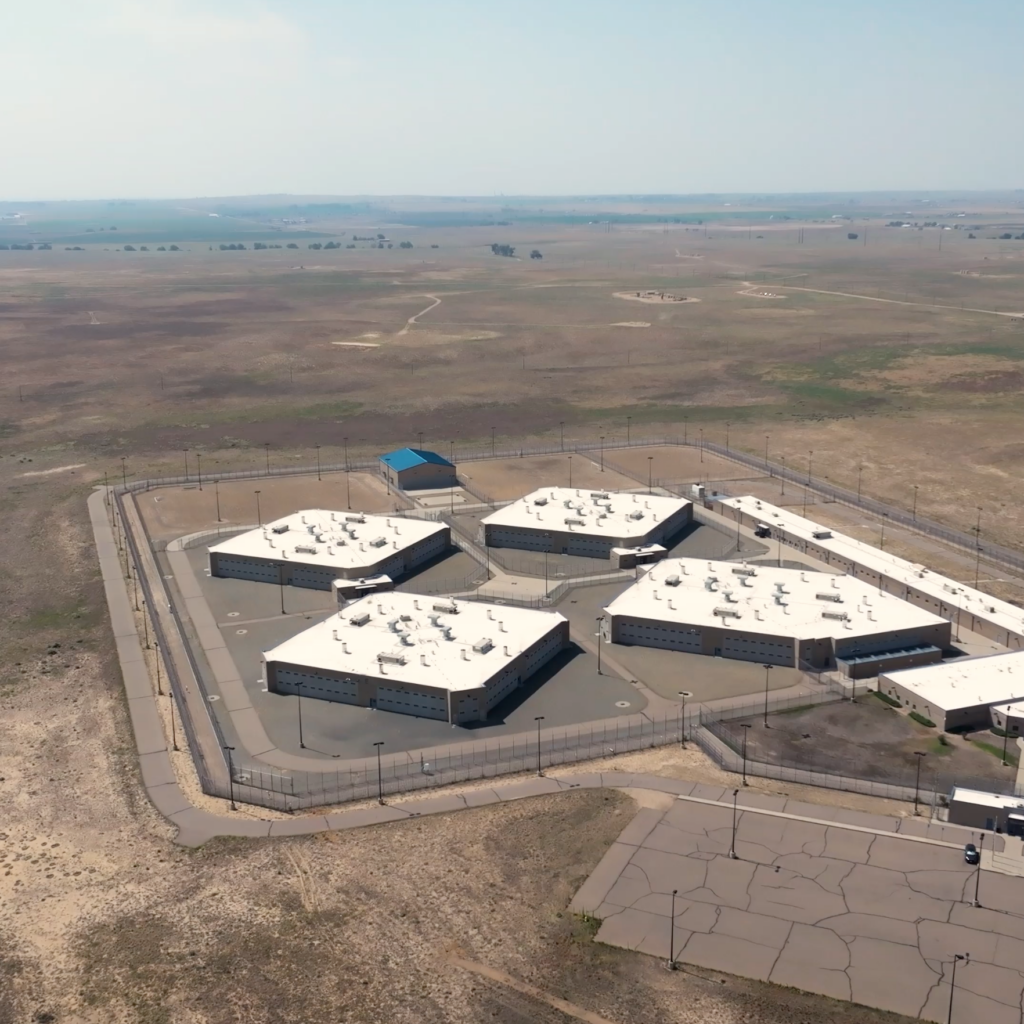
Hudson, Colorado, a small town once primarily recognized for its strategic location as a speed trap between the plains and suburban areas, has recently become the center of intense local and political activity. This shift occurred after the federal government announced plans to establish an Immigration and Customs Enforcement (ICE) detention center within the town. The proposal ignited months of community protests and has significantly influenced the political climate, particularly a nearby congressional race. This article explores how the detention center's announcement has reshaped Hudson’s identity, the community’s response, and the broader political implications.
Before the ICE detention center announcement, Hudson was a relatively obscure town in northern Colorado, known mainly for its location along a busy corridor where law enforcement frequently monitored speeding drivers. Its modest population and low profile meant it rarely attracted significant media or political attention, serving primarily as a pass-through between the expansive plains and the growing suburban areas nearby.
The sudden news that the federal government intended to build a detention facility for immigrants in Hudson marked a dramatic shift for the town. This decision placed the community at the heart of a national debate on immigration enforcement and detention practices, drawing scrutiny from activists, politicians, and the media. Hudson’s identity, once defined by its quiet, unassuming character, was suddenly transformed as it became a symbol of broader immigration policy controversies.
The announcement sparked immediate and sustained protests from many local residents and advocacy groups. Demonstrators gathered regularly to voice concerns about the humanitarian implications of detaining immigrants, emphasizing the potential for human rights abuses within such facilities. They also raised alarms about the possible strain on local resources, including emergency services and infrastructure, fearing that the town might not be equipped to handle the facility’s demands.
These protests highlighted a community deeply divided on the issue. While many residents opposed the detention center on moral and practical grounds, others supported the facility, citing economic benefits such as job creation and increased federal investment. Supporters argued that the center could bring much-needed employment opportunities and infrastructure funding to the small town, potentially boosting the local economy.
The debates often extended beyond Hudson’s borders, attracting regional and national attention. Activists, journalists, and political figures descended on the town, amplifying the discussion and altering its social and political landscape. This influx of outside interest introduced new dynamics, intensifying the community’s divisions and elevating Hudson’s profile as a microcosm of the national immigration debate.
The controversy surrounding the detention center quickly became a pivotal issue in a nearby congressional race. Candidates were compelled to clarify their positions on immigration enforcement and the facility’s presence in Hudson, recognizing the issue’s resonance with voters.
For some candidates, opposition to the detention center became a rallying point to mobilize voters concerned about immigration policies and human rights. These candidates framed their campaigns around protecting immigrant communities and promoting more humane immigration reforms.
Conversely, other candidates emphasized law enforcement and border security, aligning with the facility’s proponents. They argued that the detention center was necessary for maintaining order and enforcing immigration laws, appealing to constituents prioritizing security and rule of law.
This issue reshaped campaign strategies and voter engagement, illustrating how local developments can reverberate through broader political contests. The detention center debate underscored the intersection of local concerns with national policy debates, making Hudson a focal point in the wider immigration discourse and demonstrating how federal decisions can directly influence electoral politics.
Supporters of the detention center often cited economic arguments, including the promise of new jobs and increased federal funding for local infrastructure. For a small town like Hudson, which has limited economic opportunities, these potential benefits were significant factors in the debate. Proponents highlighted how the facility could bring construction jobs initially, followed by permanent positions in security, administration, and maintenance.
However, critics warned about the social costs, including the impact on community cohesion and the ethical implications of detaining immigrants, many of whom are asylum seekers or individuals fleeing violence. They expressed concern that the presence of a detention center could stigmatize the town and alter its character.
There were also worries about the capacity of local services to handle the increased demand that the facility might bring, such as law enforcement, healthcare, and social services. Opponents feared that these strains could degrade the quality of life for existing residents.
The tension between economic opportunity and social responsibility remains a central theme in discussions about the detention center, reflecting broader national conversations about immigration enforcement and community impact. Hudson’s experience illustrates how small towns must weigh immediate economic gains against long-term social and ethical considerations.
The situation in Hudson exemplifies the challenges faced by communities across the United States where federal immigration enforcement intersects with local realities. The protests and political debates highlight the complexities of immigration policy implementation at the local level, where national directives meet community values and concerns.
As the federal government continues to pursue immigration enforcement strategies involving detention centers, towns like Hudson become testing grounds for public reaction and political consequences. The local resistance and support reflect the broader national divide on immigration, illustrating how policy decisions can deeply affect communities.
The case underscores the need for policymakers to consider local perspectives and the multifaceted impact of detention facilities. Balancing enforcement objectives with humanitarian and community concerns is critical to developing immigration policies that are effective, just, and sustainable.
Hudson’s experience serves as a reminder that immigration enforcement is not solely a federal issue but one that implicates local governments, residents, and economies, necessitating inclusive dialogue and thoughtful policymaking.
The establishment of an ICE detention center in Hudson, Colorado, serves as a vivid example of how federal immigration policies can profoundly affect small communities. The resulting protests, political shifts, and social debates reveal the intricate balance between economic interests, humanitarian concerns, and political realities. As the nation continues to grapple with immigration enforcement, the Hudson case highlights the importance of inclusive dialogue and thoughtful policymaking that respects local voices while addressing national priorities. Ultimately, Hudson’s story underscores the need for policies that consider both the human and community dimensions of immigration enforcement.
Originally reported by nytimes.com. Adapted for our readers with AI assistance.
Keep reading
News
Recall that Poland’s Minister Sikorski’s core claim is partially supported by the numbers, but the framing “quite quickly” and “without the U.S.” does not…
Politics
In August 2025, Zespri, the world’s largest marketer of kiwifruit, announced that the European Commission had approved what it described as the first health…
News
By Engr. Tamunofiniarisa BrownReading Time: 6 Minutes The conflict between Russia and Ukraine is often framed in the media as a simple battle between…
TAMFIS NIG LTD
Electrical and instrumentation engineering, bid preparation and consulting, IT and software.