The Hidden Tragedy of Forced Adoptions in Mid-20th Century Britain: Stories of Loss and Resilience
In mid-20th century Britain, societal norms and institutional policies combined to forcibly separate thousands of newborns from their unmarried mothers. Young, vulnerable women were sent to remote maternity homes where they endured harsh treatment and were pressured or compelled to surrender their babies for adoption. Through the stories of Marion McMillan, Ann Keen, and Joan Chambers, among others, we explore the profound personal and societal impact of this practice. Recent formal apologies acknowledge these wrongs, but the legacy of forced adoption continues to affect survivors and their families.
The Hidden Tragedy of Forced Adoptions in Mid-20th Century Britain: Stories of Loss and Resilience
A System Designed to Punish Unmarried Mothers
Between 1949 and 1976, an estimated 250,000 women in the UK were forced to give up their babies for adoption. These women were predominantly unmarried and from working-class backgrounds, while adoptive families were often middle class. The state, social workers, and religious organizations collaborated to enforce a system that viewed unmarried motherhood as a moral failing.
Young women were often sent far from home to maternity homes run by religious or charitable organizations. For example, Marion McMillan, pregnant at 17, was sent from Scotland to a Salvation Army home in Newcastle-upon-Tyne, over 150 miles away. This isolation was intentional, removing women from their communities and support networks.
Conditions in these homes were austere and often brutal. Women were treated as unworthy mothers from the moment they arrived. Physical abuse was not uncommon: Marion recalls being slapped by a matron during labour, while Ann Keen was denied pain relief during childbirth as punishment for her unmarried status. The message was clear: these women were to be shamed and stripped of their maternal rights.
Personal Stories of Heartbreak and Resilience
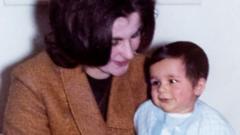
Marion McMillan’s story exemplifies the emotional devastation caused by forced adoption. After giving birth to a son with "gorgeous wee black hair," she was allowed limited time with him before he was taken away at nine months old. Despite her desperate pleas, the decision was final. Marion was left alone, unwelcome in her hometown, and ended up in a women’s hostel in Glasgow. She was reunited with her son decades later in 2004, but the pain of separation lingered.
Ann Keen’s experience was marked by cruelty and betrayal. At 17, after a non-consensual encounter, she was sent away to give birth. Denied pain relief and treated as immoral, she was told her baby was "waiting for his new mummy" and that she would never see him again. The moment she realized she had lost her child was devastating, compounded by staff forcing her to discard her breast milk as a symbolic severing of their bond. Ann was later invited to Downing Street as part of a formal apology, which she described as vindication.
Joan Chambers’ story adds another layer of complexity. Pregnant at 14 after being raped by a trusted teacher, she endured a traumatic pregnancy and birth with little support. Her baby was taken at three weeks old, and she was instructed to prepare the nursery for the next child. It was only at age 66 that Joan was reunited with her son, highlighting the lifelong impact of forced separations.
The Societal and Institutional Context
The forced adoption system was underpinned by deep social prejudices. Unmarried mothers were stigmatized as immoral and unfit, while their children were often labeled with derogatory terms reflecting racial and class biases. Marion, who had a mixed-race child, was told "half-caste" babies were rarely successful in adoption, illustrating how racism intersected with adoption practices.
Religious organizations, including the Salvation Army, played a significant role in running mother and baby homes. While some staff showed compassion, the institutions upheld a system prioritizing societal norms over mothers’ and children’s rights. The state’s involvement lent legal and bureaucratic legitimacy, leaving women powerless to resist.
Judicial attitudes reflected these biases. Joan Chambers recounted how a judge instructed the jury to disbelieve her testimony in a rape trial, citing the accused’s promising career and dismissing her pregnancy. Such institutional failures compounded the trauma experienced by these women.
Formal Apologies and the Path to Recognition
In recent years, growing recognition of these injustices has led to formal apologies. In 2023, Scotland’s First Minister Nicola Sturgeon apologized for the state’s role, acknowledging the cruelty and injustice of forced adoption. The Salvation Army also issued an apology expressing profound sorrow and shame for their part.
UK Prime Minister Sir Keir Starmer issued a formal apology, stating, "The shame is not yours… the shame is ours," addressing mothers who long carried guilt and secrecy. These apologies represent symbolic steps toward healing and accountability.
Survivors like Marion McMillan advocate for further support, including comprehensive training and resources for all involved in adoption. They call for a centre of excellence in Scotland to provide education and assistance, ensuring past mistakes are not repeated.
Ongoing Impact and Support Needs
The forced adoption scandal has left lasting scars on mothers, children, and adoptive families. Many survivors struggle with shame, loss, and identity confusion. Reunions, while joyous, often bring complex emotions and challenges.
Support networks have emerged to assist those affected, but survivors stress the need for more comprehensive services, including psychological counseling, legal support, and community-building opportunities to address the multifaceted consequences of forced adoption.
Public awareness and education are vital to prevent similar abuses. Understanding the historical context and human stories behind the statistics fosters empathy and informs policies to protect vulnerable families.
What this means
The forced adoption practices of mid-20th century Britain represent a dark chapter where vulnerable women were stripped of their rights and subjected to systemic cruelty. The stories of Marion McMillan, Ann Keen, Joan Chambers, and others illuminate the human cost behind the statistics and challenge us to confront the prejudices that enabled such injustices. While formal apologies and reunions offer some redress, full recognition and healing require ongoing commitment to support survivors and educate society. By learning from the past, the UK can ensure no mother or child faces such profound loss and marginalization again.
Originally reported by bbc.co.uk. Adapted for our readers with AI assistance.
Obi says his wife funds her own purchases. This analysis separates his explanation, unverified handbag prices and the evidence needed to assess public spending.
Yari says the APC will emphasise Tinubu’s achievements in 2027. This analysis explains how voters can examine outcomes, baselines and campaign evidence.