
Business
Nigeria’s Broken Systems: Why Failure Persists and What Must Change
An analysis of the structural and institutional factors that entrench governance failures in Nigeria, from patronage politics and weakened oversight to the urgent need…
TAMFIS NIG LTDRC 8067447CAC ACTIVEFinima, Bonny Island, Rivers State

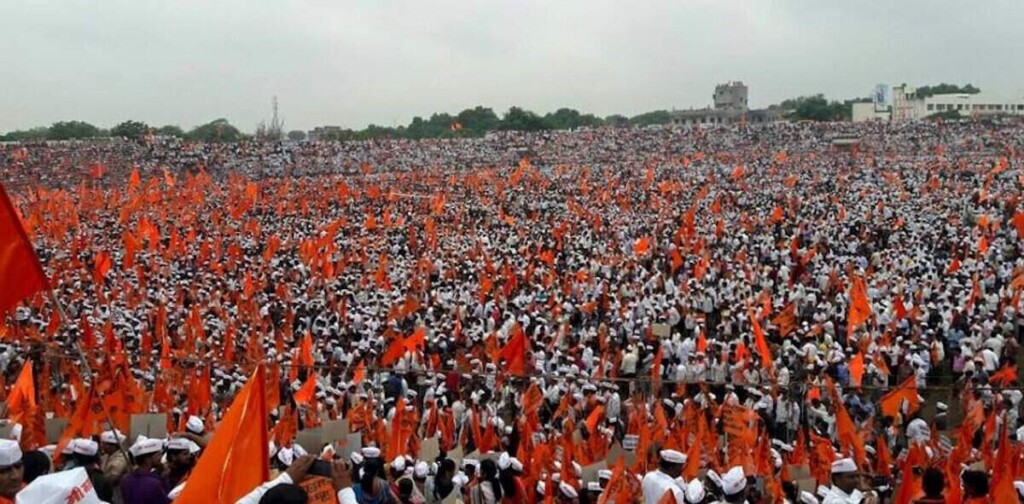
India's political landscape remains deeply influenced by caste dynamics, presenting both challenges and opportunities for businesses operating in or engaging with the subcontinent. While the nation's economic growth story attracts global attention, the underlying social hierarchy continues to shape policy, market access, and consumer behaviour in profound ways. Understanding these dynamics is essential for investors, retailers, and multinational corporations seeking to navigate India's complex marketplace successfully.
India's social structure remains organised around a hereditary caste hierarchy that has persisted for millennia, despite constitutional abolishment of untouchability and various affirmative action policies. The system broadly categorises society into forward castes, Other Backward Classes (OBCs), Scheduled Castes (Dalits), and Scheduled Tribes (Adivasis). This framework continues to influence access to education, employment, and political representation, creating distinct consumer segments with varying economic capacities and aspirations.
Recent incidents during festivals in Gujarat highlighted the volatility that can arise when caste tensions surface, demonstrating that social harmony remains fragile despite economic progress. For businesses, such episodes serve as reminders that market stability can be affected by social factors beyond pure economic indicators, particularly in regions where historical caste divisions remain pronounced.
The persistence of caste-based discrimination in hiring practices, housing markets, and social interactions continues to create economic inefficiencies. Studies indicate that caste identity still significantly influences access to quality education and formal sector employment, meaning businesses operating in India must consider these realities when designing recruitment strategies, workplace policies, and market entry approaches.
The Bharatiya Janata Party (BJP) has undertaken a deliberate effort to expand its electoral base among lower caste communities, recognising that these groups constitute approximately 41% of India's population. This shift represents a significant evolution from the party's earlier reliance on upper caste Hindu nationalist support, particularly following its defeat in the 2009 general elections which prompted a strategic reassessment.
Key tactics include highlighting Prime Minister Narendra Modi's own Other Backward Class background, promoting Dalit representation in high-profile positions such as the presidency, and increasing lower caste representation in cabinet reshuffles. In state elections in Gujarat and Karnataka, the BJP has emphasised its commitment to strengthening institutions like the National Commission for Backward Classes, signalling policy-level engagement with caste-based welfare concerns.
This outreach is fundamentally driven by electoral calculus rather than purely altruistic social justice motives. The BJP recognises that sustaining its political dominance requires broadening its appeal beyond traditional bases, particularly as economic aspirations grow among historically marginalised communities seeking improved access to government jobs and educational opportunities.
Central to the BJP's lower caste strategy is its position on India's reservation system, which currently allocates 27% of government jobs and educational institution seats to Other Backward Classes. The party has proposed revisiting this framework through the establishment of a committee to sub-categorise OBCs into 'backward', 'extremely backward', and 'most backward' groups—a move that could significantly alter the distribution of affirmative action benefits.
This approach builds upon historical developments where reservation policies evolved from their initial conception in the 1970s through socialist leaders like Ram Manohar Lohia, to their major expansion following the 1990 Mandal Commission recommendations. The sub-categorisation effort aims to address internal disparities within the OBC category, where some communities have benefited more than others from existing quotas.
For businesses, particularly those involved in government contracting or public sector partnerships, changes to reservation policies could affect workforce availability, compliance requirements, and the pool of eligible candidates for diversity initiatives. Multinational corporations operating in India often align their own diversity hiring practices with government reservation frameworks, making policy shifts in this area directly relevant to HR planning.
The BJP's strategy includes deliberate efforts to dismantle the monopoly of caste-based political parties over lower caste votes by framing alternatives as narrowly sectarian. Simultaneously, the party works to consolidate the vast array of approximately 2,479 distinct lower caste identities into more manageable political units, reducing their collective bargaining power while attempting to address specific community aspirations through targeted outreach.
Initiatives such as the formation of the OBC Morcha (special forward) in 2015 demonstrate the party's investment in building grassroots cadres among lower caste communities, including specific efforts to engage youth and women. Religious integration programmes, including 'Ghar Wapsi' (homecoming) ceremonies, aim to incorporate lower caste groups into the broader Hindu fold—a strategy that serves both political and social cohesion objectives.
From a business perspective, these political manoeuvrings create both opportunities and risks. Successful engagement with lower caste aspirations could expand consumer markets as economic mobility increases, while mishandling of caste sensitivities could trigger social unrest affecting operations, supply chains, or brand reputation—particularly important considerations for consumer-facing businesses and retailers.
For multinational corporations and investors, India's caste dynamics necessitate nuanced approaches to market entry, workforce management, and community engagement. Companies must look beyond aggregate economic indicators to understand how social hierarchies affect local market characteristics, labour availability, and regulatory environments across different regions and states.
Retailers and e-commerce platforms should consider how caste influences consumption patterns, brand perception, and access to digital markets. Businesses seeking to expand in Tier 2 and 3 cities, where caste networks often remain particularly strong, benefit from understanding local social structures when designing marketing campaigns, distribution strategies, and after-sales service networks.
The evolving political landscape suggests that policies affecting labour laws, education access, and small business support may increasingly reflect lower caste priorities as these groups gain electoral influence. Forward-thinking companies are already adapting their corporate social responsibility initiatives and stakeholder engagement strategies to align with these shifting dynamics while maintaining focus on core business objectives.
India's journey toward economic superpower status continues to be intertwined with its complex social fabric. While the nation's GDP growth and digital transformation attract global business attention, the enduring influence of caste hierarchies reminds us that sustainable success in the Indian market requires more than just economic analysis. Companies that thrive will be those that recognise caste not as a historical artifact but as a living reality shaping consumer behaviour, workforce dynamics, and policy environments. By approaching India with both commercial awareness and social sensitivity, businesses can navigate these complexities to build resilient operations that contribute to inclusive growth while achieving their commercial objectives.
Originally reported by theconversation.com. Adapted for our readers with AI assistance.
Keep reading
Business
An analysis of the structural and institutional factors that entrench governance failures in Nigeria, from patronage politics and weakened oversight to the urgent need…
Politics
Yari says the APC will emphasise Tinubu’s achievements in 2027. This analysis explains how voters can examine outcomes, baselines and campaign evidence.
Lifestyle
Obi says his wife funds her own purchases. This analysis separates his explanation, unverified handbag prices and the evidence needed to assess public spending.
TAMFIS NIG LTD
Electrical and instrumentation engineering, bid preparation and consulting, IT and software.

