
Business
Nigeria’s Broken Systems: Why Failure Persists and What Must Change
An analysis of the structural and institutional factors that entrench governance failures in Nigeria, from patronage politics and weakened oversight to the urgent need…
TAMFIS NIG LTDRC 8067447CAC ACTIVEFinima, Bonny Island, Rivers State

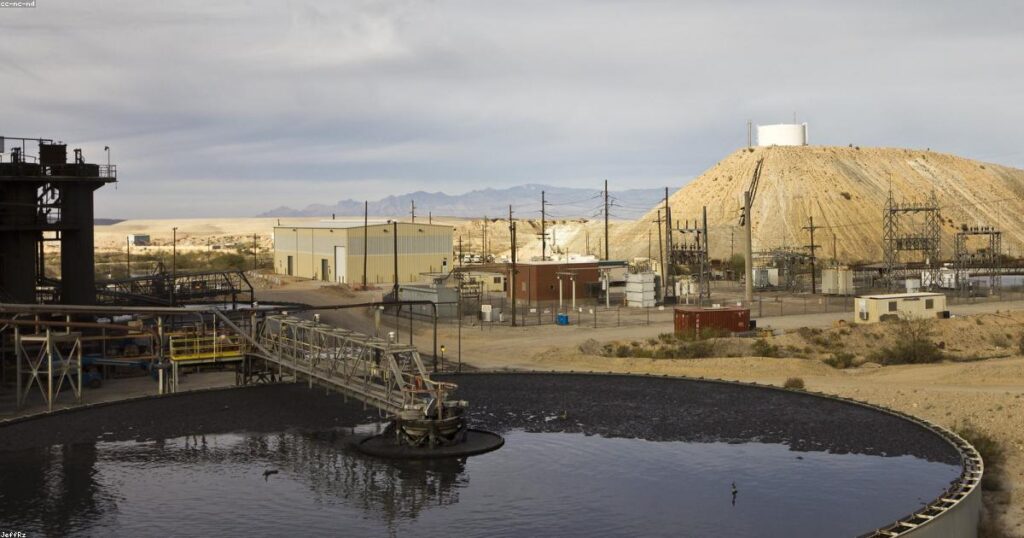
Nestled in the rugged landscapes of Arizona, a copper mine has transformed from a mere industrial site into a battleground where religion and politics collide. This epic struggle involves environmental activists, religious groups, local communities, and political leaders, each wielding their influence to shape the future of the mine. As copper remains vital to modern technology and economic growth, the debate over its extraction is more than just about natural resources—it reflects deep societal divisions and competing visions for Arizona’s identity and future.
Arizona has a long and storied history with copper mining, dating back to the late 19th century. The state is one of the largest producers of copper in the United States, with mining operations contributing significantly to its economy and employment. Copper’s importance extends beyond local boundaries, as it is a critical component in electrical wiring, electronics, and renewable energy technologies.
Over the decades, the expansion of copper mines has often sparked debates about environmental stewardship and indigenous rights. The land on which many mines operate holds cultural and spiritual significance for Native American tribes, adding layers of complexity to mining projects. These historical tensions have set the stage for the current conflict surrounding the Arizona copper mine.
The interplay between economic development and cultural preservation has shaped policy decisions in Arizona, with mining companies often facing scrutiny from both government regulators and advocacy groups. Understanding this historical backdrop is essential to grasping the full scope of the ongoing dispute.
Religion plays an unexpectedly pivotal role in the battle over the Arizona copper mine. Several indigenous tribes view the land as sacred, with spiritual traditions deeply tied to the natural environment. For these communities, mining threatens not just the physical landscape but also their religious freedom and cultural heritage.
At the same time, some Christian groups have voiced support for the mining efforts, framing the extraction of natural resources as a divine mandate to harness Earth’s gifts responsibly. This theological perspective often clashes with indigenous beliefs, creating a profound religious dimension to the conflict.
Religious leaders from various faiths have become vocal participants in the debate, organizing protests, issuing statements, and influencing public opinion. The intersection of faith and environmental activism underscores how deeply personal and spiritual this issue has become for many Arizonans.
Politics is at the heart of the copper mine controversy, with local, state, and federal officials navigating competing interests. Arizona’s political landscape is marked by a strong mining lobby that advocates for economic growth and job creation. These proponents emphasize the strategic importance of copper for national security and technological advancement.
Conversely, environmentalists and some political leaders push for stricter regulations or outright bans on mining operations that threaten ecosystems and indigenous lands. The debate often falls along partisan lines, reflecting broader national tensions over energy policy, environmental protection, and indigenous rights.
Election cycles and legislative sessions have amplified the stakes, as candidates and officeholders use the mining issue to galvanize their voter base. This politicization has made it difficult to reach consensus, prolonging the conflict and complicating efforts to find balanced solutions.
Environmental groups have raised alarms about the potential damage the copper mine could inflict on Arizona’s fragile desert ecosystems. Mining operations can lead to habitat destruction, water contamination, and increased pollution, threatening local flora and fauna unique to the region.
The mine’s proximity to waterways raises concerns about the long-term sustainability of water resources, which are already scarce in the arid Southwest. Contaminants from mining runoff could jeopardize drinking water supplies and harm aquatic life, impacting both wildlife and human communities.
Efforts to mitigate environmental damage often clash with the mine’s economic imperatives, creating a difficult balancing act. Environmental impact assessments and regulatory reviews have become battlegrounds themselves, with intense scrutiny from all sides.
Indigenous tribes have emerged as some of the most vocal opponents of the copper mine, underscoring the cultural and spiritual significance of the land. For many tribes, the area is not just a resource but a sacred site integral to their identity and traditions.
Tribal leaders have invoked legal protections for religious freedom and land rights, seeking to halt mining activities that they argue violate treaties and federal laws. These efforts have brought national attention to the intersection of indigenous sovereignty and environmental justice.
The conflict has sparked broader discussions about how to respect indigenous knowledge and traditions while navigating modern economic demands. Collaborative approaches and meaningful consultation remain elusive but are critical for any long-term resolution.
The copper mine represents a significant economic asset for Arizona, promising thousands of jobs and substantial tax revenue. Mining operations support local businesses and contribute to the state’s GDP, reinforcing Arizona’s position as a leading mining hub.
On a national level, copper is essential for infrastructure projects, renewable energy technologies, and defense applications. Ensuring a stable domestic supply aligns with broader economic and security goals, making the mine strategically important beyond state borders.
However, economic benefits are weighed against environmental costs and social impacts. Critics argue that short-term gains may come at the expense of long-term sustainability, urging investment in alternative economic models that prioritize ecological balance.
The Arizona copper mine has been the subject of numerous legal challenges, with lawsuits filed by environmental groups, indigenous tribes, and government agencies. These cases focus on regulatory compliance, environmental impact assessments, and the protection of sacred sites.
Navigating the complex web of federal, state, and local regulations has proven challenging for all parties involved. Agencies such as the Environmental Protection Agency and the Bureau of Land Management play critical roles in permitting and oversight, often becoming focal points of contention.
Legal proceedings have delayed mining operations and heightened tensions among stakeholders. The outcomes of these cases will shape not only the future of this mine but also set precedents for how similar conflicts are managed nationwide.
Resolving the conflict surrounding the Arizona copper mine requires dialogue, compromise, and innovative solutions that respect both economic and cultural priorities. Stakeholders have begun exploring collaborative frameworks that incorporate environmental safeguards and tribal consultation.
Technological advancements in sustainable mining practices offer potential pathways to reduce environmental impact while maintaining economic viability. Investments in reclamation and pollution control can help mitigate some concerns raised by opponents.
Ultimately, the future of the mine will depend on political will, community engagement, and legal determinations. This epic struggle serves as a microcosm of broader national debates about resource management, indigenous rights, and the role of religion in public life.
The Arizona copper mine dispute epitomizes the intricate entanglement of religion, politics, environment, and economics in modern America. As the battle unfolds, it challenges stakeholders to reconcile divergent values and interests in pursuit of a just and sustainable future. The outcome will not only determine the fate of a valuable natural resource but also reflect broader societal choices about how to honor cultural heritage, protect the environment, and foster economic prosperity. Navigating this epic fight requires empathy, innovation, and a commitment to inclusive dialogue that can bridge longstanding divides.
Originally reported by wsj.com. Adapted for our readers.
Keep reading
Business
An analysis of the structural and institutional factors that entrench governance failures in Nigeria, from patronage politics and weakened oversight to the urgent need…
Politics
Yari says the APC will emphasise Tinubu’s achievements in 2027. This analysis explains how voters can examine outcomes, baselines and campaign evidence.
Lifestyle
Obi says his wife funds her own purchases. This analysis separates his explanation, unverified handbag prices and the evidence needed to assess public spending.
TAMFIS NIG LTD
Electrical and instrumentation engineering, bid preparation and consulting, IT and software.

