Politics
How Minnesota Figures Into the Presidential Politics of Insulin Prices
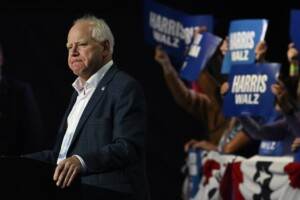
Politics tamfitronics Minnesota Gov. Tim Walz attends a rally in Asheville, North Carolina, on Sept. 17. Minnesota led the way on in...
TAMFIS NIG LTDRC 8067447CAC ACTIVEFinima, Bonny Island, Rivers State

Senegal, long hailed as a beacon of democratic stability in West Africa, has recently endured months of political turmoil marked by protests, arrests, and occasional violence. The nation’s political landscape has been shaken by a tightly contested presidential election set to determine the successor to outgoing President Macky Sall. On March 24, 2024, Senegalese voters came together at polling stations across the country, demonstrating a collective desire for peace, stability, and democratic progress. This article delves into the complexities of the recent political unrest, the significance of the election, the hopes of the Senegalese people, and the broader implications for the country's future.
Senegal’s political climate in early 2024 was marked by escalating tensions and unrest. The decision by President Macky Sall to postpone the originally scheduled February 25 election to later in the year sparked widespread controversy and protests. This move was perceived by many as an attempt to extend his tenure beyond constitutional limits, igniting fierce opposition and social unrest across the country.
The political unrest was compounded by violent clashes between security forces and opposition supporters, resulting in casualties and numerous arrests, including prominent opposition leaders. These developments threatened to undermine Senegal’s reputation as one of West Africa’s most stable democracies and raised concerns about the country’s commitment to democratic principles.
In response to the mounting pressure, President Sall announced a surprise amnesty for political prisoners, a move aimed at calming tensions and restoring political dialogue. However, the months leading up to the election remained fraught with uncertainty, as opposition parties and civil society groups demanded credible and transparent electoral processes.
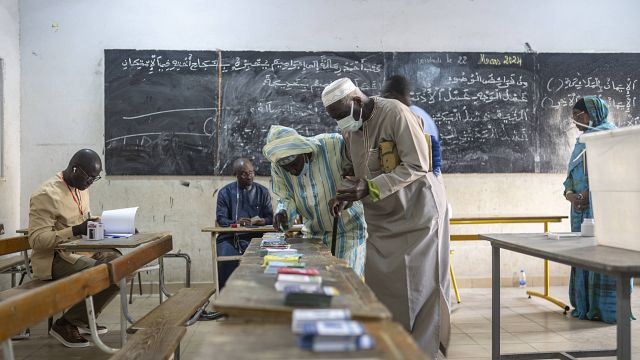
On March 24, 2024, Senegalese citizens turned out in large numbers to exercise their democratic right to vote. Across urban and rural polling stations, including the small town of Ndiaganiao—the hometown of opposition candidate Bassirou Diomaye Faye—voters cast their ballots with hopes of ushering in a peaceful transition of power.
The atmosphere at polling stations was a mixture of cautious optimism and determination. Many voters, like Abdoulaye Diouf from Ndiaganiao, expressed a deep desire for peace and stability, emphasizing that the nation’s victory would be collective regardless of the election’s outcome. This sentiment highlighted the broader aspiration for national unity amid political divisions.
Election officials and observers closely monitored the voting process to ensure transparency and fairness. Despite the tense backdrop, the election day proceeded largely without major incidents, reflecting the resilience of Senegalese democratic institutions and the population’s commitment to peaceful political engagement.
This election marked a historic moment for Senegal as it was the first presidential vote without an incumbent candidate on the ballot since the introduction of term limits. President Macky Sall, having served two terms, stepped aside, opening the field to 19 candidates vying for the presidency, including one female contender.
The absence of a clear frontrunner created an unpredictable electoral landscape, intensifying competition among candidates and political parties. This scenario underscored the maturity of Senegal’s democracy, where leadership transitions occur through the ballot box rather than through force or manipulation.
Political analysts viewed this election as a critical test for Senegal’s democratic institutions, especially after the recent political unrest. A peaceful and credible electoral process would reinforce the country’s democratic credentials and set a positive precedent for future elections in the region.
Beyond political stability, economic issues were at the forefront of many Senegalese voters’ minds. The country has been grappling with rising food and energy prices, exacerbated by global factors such as the ongoing conflict in Ukraine. These economic pressures have strained household budgets and heightened public anxiety.
Youth unemployment remains a significant challenge. With limited job opportunities at home, many young Senegalese face the difficult decision of risking perilous journeys abroad in search of better prospects. This socio-economic reality has fueled calls for policies that prioritize job creation and economic development.
Candidates in the presidential race addressed these economic concerns, proposing various strategies to stimulate growth, reduce poverty, and improve living standards. For many voters, the election represented not only a political choice but also a referendum on the country’s economic future.
The political unrest that preceded the election saw the detention of several opposition figures, which intensified tensions and drew international attention. The release of two leading opposition leaders shortly before the election was met with widespread celebrations and was seen as a positive step toward political reconciliation.
These developments helped ease fears of political repression and signaled a willingness on the part of the government to engage in dialogue. Opposition parties called for calm and urged their supporters to participate peacefully in the electoral process.
The reintegration of opposition voices into the political arena was crucial for the legitimacy of the election. It underscored the importance of inclusive governance and the protection of political freedoms in maintaining democratic stability.
Since gaining independence from France in 1960, Senegal has been recognized for its relatively stable democracy, characterized by peaceful transfers of power and respect for electoral processes. The 2024 election represented the country’s fourth democratic transition, reinforcing its status as a democratic model in West Africa.
The peaceful conduct of the election was closely watched by neighboring countries, many of which face political instability and authoritarian tendencies. Senegal’s ability to manage political competition without descending into violence serves as an encouraging example for the region.
International observers and organizations praised the efforts of Senegalese institutions and citizens to uphold democratic norms despite the challenges. The election’s outcome and aftermath will likely influence democratic trajectories across West Africa.
As Senegal awaits the official election results, the nation stands united in its hope for a peaceful transition and a government capable of addressing pressing social and economic issues. The new president faces the daunting task of healing political divisions and fostering inclusive development.
Ensuring transparency in the vote-counting process and managing any disputes peacefully will be critical to maintaining public trust. Civil society organizations and the media play vital roles in promoting accountability and preventing misinformation.
Looking ahead, Senegal’s democratic resilience will depend on sustained commitment from political actors, institutions, and citizens alike. The collective demand for peace and stability expressed through the ballot box offers a foundation upon which the country can build a prosperous and inclusive future.
Senegal’s recent presidential election stands as a testament to the resilience and maturity of its democratic institutions. Despite months of political turmoil and economic challenges, the nation’s citizens demonstrated a profound commitment to peace and democratic principles by turning out to vote. As the country embarks on a new chapter without an incumbent candidate, the collective hope is for a peaceful transition that addresses economic woes and fosters national unity. The election’s outcome will not only shape Senegal’s future but also reinforce its role as a democratic beacon in West Africa.
Originally reported by africanews.com. Adapted for our readers.
Keep reading
Politics
Politics tamfitronics Minnesota Gov. Tim Walz attends a rally in Asheville, North Carolina, on Sept. 17. Minnesota led the way on in...
Politics
Nigerian human rights lawyer Deji Adeyanju has joined a Federal Government inquiry into the deaths of 37...
Politics
Democracy, Featured, Global, Global Governance, Headlines, International Justice, IPS UN: Insid...
TAMFIS NIG LTD
Electrical and instrumentation engineering, bid preparation and consulting, IT and software.