
News
RUSSIA versus NATO and BRICS vs. NATO Military SWOT
Recall that Poland’s Minister Sikorski’s core claim is partially supported by the numbers, but the framing “quite quickly” and “without the U.S.” does not…
TAMFIS NIG LTDRC 8067447CAC ACTIVEFinima, Bonny Island, Rivers State

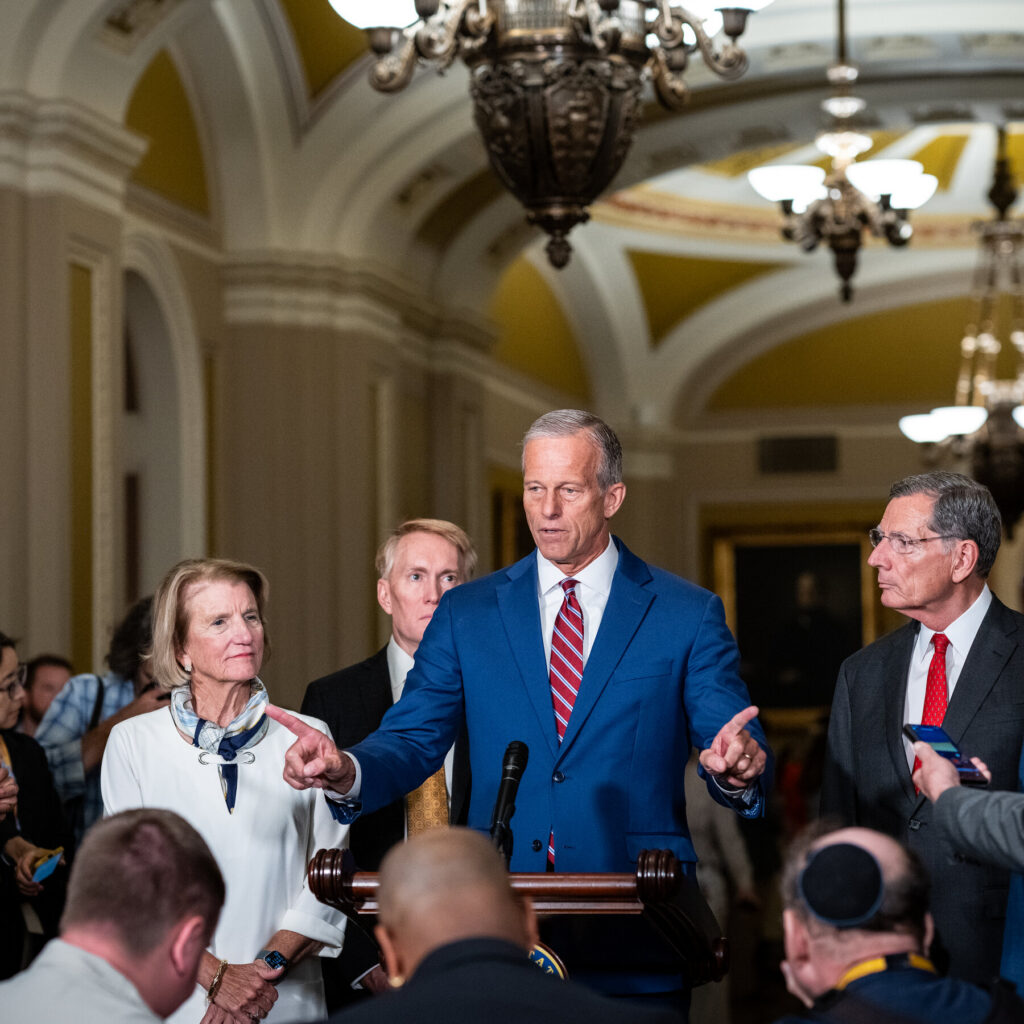
In the summer of 2026, the U.S. Senate made clear that it would not advance the voting restrictions bill championed by President Trump. This development underscores the ongoing political impasse surrounding voting laws and reflects the complex dynamics within the Senate, where Republicans have struggled to secure enough support to pass the legislation. The stalled bill highlights broader tensions about election integrity, voting access, and partisan priorities in American politics.
As the summer recess approached, it became evident that the Senate would not move forward with the voting restrictions bill proposed by President Trump. This decision effectively ended any immediate hopes of passing the legislation during the current session. The Senate’s choice to step back from the bill after weeks of uncertainty signals a recognition of the political realities facing Republicans, who have been unable to rally sufficient votes.
The timing of the Senate’s exit is significant. It confirms that despite vocal support from the president and some members of his party, the bill lacked the necessary bipartisan backing or even unanimous Republican support to advance. This pause also reflects the broader legislative calendar and strategic considerations, as lawmakers prepare for upcoming elections and other priorities. The summer recess exit confirmed what had been apparent for weeks: Republicans lacked the votes to pass the voting restrictions the president has made a top priority.
President Trump’s voting bill aimed to introduce a series of restrictions on voting procedures, which supporters argue are necessary to safeguard election integrity. Key provisions included stricter voter ID requirements, limitations on mail-in voting, and enhanced verification processes. Proponents contend these measures would prevent fraud and increase public confidence in election outcomes.
Critics, however, argue that the bill would disproportionately affect minority voters, young people, and other groups that tend to favor Democrats. They warn that the restrictions could suppress voter turnout and undermine the fundamental right to vote. Legal experts and civil rights organizations have raised concerns about the bill’s potential to roll back decades of progress in expanding voting access. These concerns highlight the ongoing debate over how to balance election security with the protection of voting rights.
The inability to pass the voting bill stems largely from internal divisions within the Republican Party and the broader partisan landscape of the Senate. While President Trump and some conservative senators strongly support the legislation, others have expressed reservations about its political and electoral implications.
Moderate Republicans and some lawmakers from swing states worry that the bill could alienate key voter groups and harm their chances in upcoming elections. Additionally, Democrats have uniformly opposed the bill, framing it as an attempt to restrict voting rights rather than protect election security. This polarization has made bipartisan cooperation on voting legislation increasingly difficult.
The Senate’s procedural rules, including the filibuster, also play a critical role. With a narrow majority, Republicans need near-unanimous support within their ranks to overcome procedural hurdles, a threshold they have not met for this bill. These procedural challenges, combined with political calculations, have contributed to the legislative stalemate.
The Senate’s decision to leave the voting bill undone has broader implications for the national debate over voting rights. It highlights the challenges of passing comprehensive election reforms in a deeply divided political environment.
This stalemate may prompt states to continue pursuing their own voting laws independently, leading to a patchwork of regulations across the country. Some states have already enacted stricter voting rules, while others have moved to expand access, reflecting divergent political priorities and regional differences.
The federal government’s role in standardizing voting procedures remains uncertain, with the Senate’s inaction underscoring the difficulty of achieving consensus on this issue. The outcome also signals to advocacy groups and voters that the fight over voting rights will likely continue to be a central theme in American politics for the foreseeable future.
With the Senate stepping back from the voting bill, attention will likely shift to other legislative avenues and strategies. President Trump and his allies may seek to reintroduce the bill in future sessions or push for incremental changes through state legislatures, where political dynamics may be more favorable.
Democrats and voting rights advocates may also intensify efforts to pass their own reforms aimed at expanding access and protecting voters, often focusing on states where they hold legislative majorities. The political landscape suggests ongoing battles over voting laws will remain a key issue in upcoming election cycles, with both parties viewing voting legislation as central to their electoral strategies.
Ultimately, the Senate’s current stance reflects the complex balancing act lawmakers face between addressing concerns about election security and ensuring broad voter participation. The unresolved status of the voting bill leaves open many questions about the future direction of American election policy and the ongoing struggle to reconcile competing priorities in a polarized political climate.
The Senate’s decision to leave President Trump’s voting restrictions bill undone highlights the complex and contentious nature of voting rights legislation in the United States. While the bill’s supporters emphasize the need for stronger election security measures, opponents caution against restrictions that could hinder voter access. The political realities within the Senate, combined with broader partisan divides, have stalled the bill’s progress, signaling that comprehensive federal voting reform remains a difficult goal. As the debate continues, the balance between protecting election integrity and ensuring inclusive voter participation will remain a central challenge for lawmakers and the nation.
Originally reported by nytimes.com. Adapted for our readers with AI assistance.
Keep reading
News
Recall that Poland’s Minister Sikorski’s core claim is partially supported by the numbers, but the framing “quite quickly” and “without the U.S.” does not…
Politics
In August 2025, Zespri, the world’s largest marketer of kiwifruit, announced that the European Commission had approved what it described as the first health…
News
By Engr. Tamunofiniarisa BrownReading Time: 6 Minutes The conflict between Russia and Ukraine is often framed in the media as a simple battle between…
TAMFIS NIG LTD
Electrical and instrumentation engineering, bid preparation and consulting, IT and software.