
Politics
Science vs politics: Kiwi’s long road to EU health-claim approval
In August 2025, Zespri, the world’s largest marketer of kiwifruit, announced that the European Commission had approved what it described as the first health…
TAMFIS NIG LTDRC 8067447CAC ACTIVEFinima, Bonny Island, Rivers State

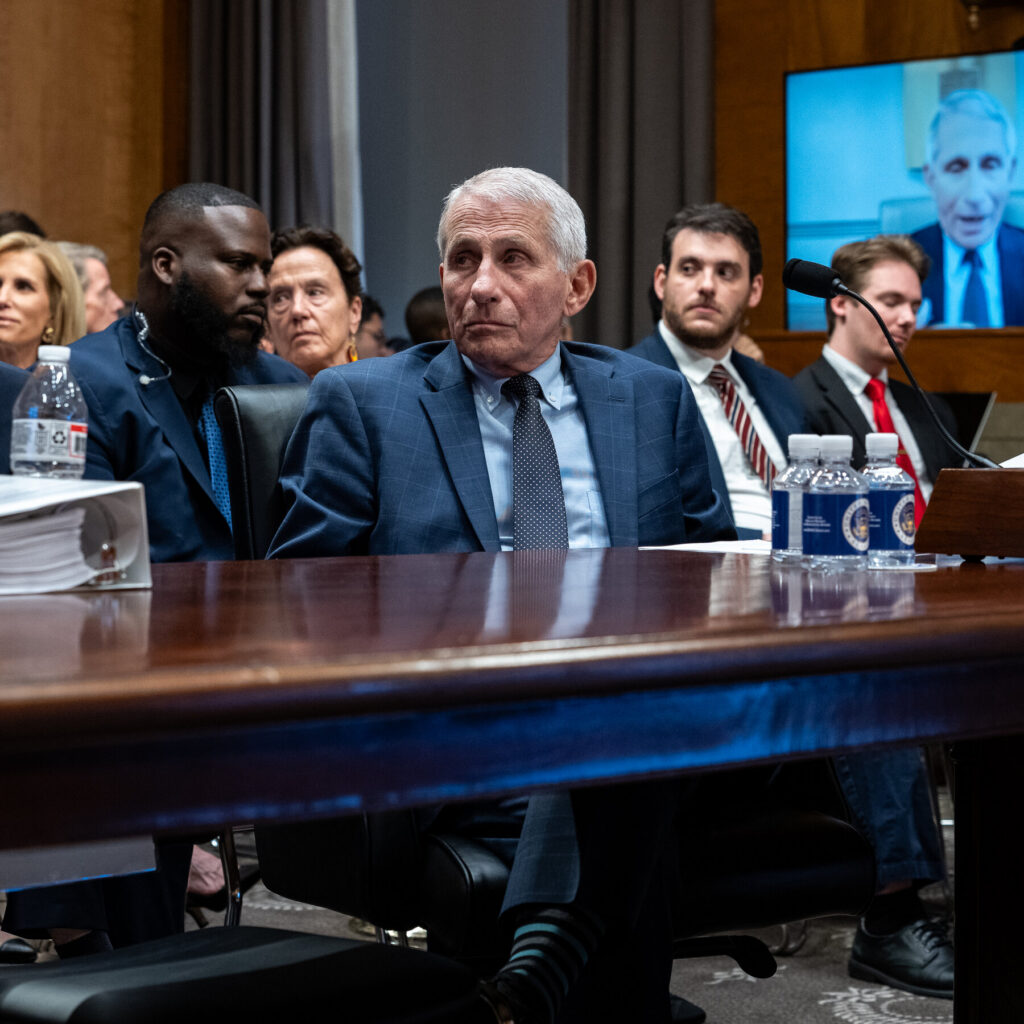
In a notable escalation of tensions between lawmakers and one of the nation's leading infectious disease experts, a Senate committee has voted to hold Dr. Anthony Fauci in contempt of Congress. The decision follows Fauci’s refusal to answer questions at a recent congressional hearing, where he invoked his Fifth Amendment right against self-incrimination. The controversy centers on whether a presidential pardon, reportedly granted to Fauci, negates his constitutional protections. This article explores the circumstances surrounding the contempt vote, the legal arguments involved, and the broader implications for congressional oversight and public trust.
Dr. Anthony Fauci has been a central figure in the United States' public health response for decades, notably during the COVID-19 pandemic. As the director of the National Institute of Allergy and Infectious Diseases, his expertise and guidance have shaped federal strategies, making him a frequent subject of congressional inquiries. Over time, Fauci’s high-profile role has drawn both praise and criticism, particularly from Republican lawmakers who have questioned his decisions and communications during the pandemic response.
In recent months, this scrutiny intensified, culminating in a Senate committee hearing aimed at investigating Fauci’s actions and statements. During the hearing, Fauci declined to answer questions, invoking his Fifth Amendment right against self-incrimination. This refusal sparked a contentious debate about the limits of congressional authority, the scope of constitutional rights, and the appropriate role of scientific advisors in political oversight.
The Senate committee’s vote to hold Fauci in contempt is a formal declaration that he has defied Congress by refusing to cooperate with its investigation. Contempt of Congress is a serious charge that can lead to legal penalties, including potential prosecution. It reflects the committee’s frustration and determination to obtain answers about Fauci’s conduct during the pandemic.
Such a contempt vote is relatively rare and signals a significant escalation in the conflict between Fauci and certain members of Congress. It underscores the challenges Congress faces when witnesses invoke constitutional protections to avoid testifying. The vote also raises important questions about the balance of power between legislative oversight responsibilities and individual constitutional rights, particularly in politically charged investigations.
At the heart of the dispute is whether Fauci’s invocation of the Fifth Amendment remains valid given reports that he received a presidential pardon. The Fifth Amendment protects individuals from being compelled to testify against themselves, effectively preventing self-incrimination in criminal matters.
Republican lawmakers argue that because a presidential pardon eliminates the risk of prosecution for offenses covered by the pardon, Fauci no longer faces potential self-incrimination. Therefore, they contend, he is not entitled to refuse testimony on Fifth Amendment grounds. If this interpretation holds, Fauci would be expected to answer questions without fear of legal consequences.
However, legal experts caution that the relationship between pardons and the Fifth Amendment is complex and unsettled. While a pardon removes criminal liability, it does not necessarily compel a witness to testify. The U.S. Supreme Court has not definitively ruled on whether a pardon extinguishes the right against self-incrimination, leaving room for differing interpretations. Some argue that even with a pardon, witnesses may have legitimate reasons to remain silent, such as protecting against self-incrimination in related civil matters or preserving other legal rights.
The contempt vote and the surrounding controversy highlight the difficulties Congress encounters in conducting oversight of public officials and experts. Effective congressional investigations rely on cooperation and transparency to hold government accountable and maintain public confidence.
Fauci’s refusal to testify and the committee’s subsequent contempt vote may deepen partisan divides and influence public perceptions of both governmental institutions and scientific leadership. For some observers, Fauci’s silence may appear as an evasion of accountability, while others view it as a necessary legal safeguard in a highly politicized environment.
This situation underscores the delicate balance between protecting individual constitutional rights and ensuring government transparency. It also exemplifies the challenges of navigating legal protections in politically charged investigations, a tension that is likely to persist in future congressional inquiries involving high-profile figures.
Following the contempt vote, the Senate committee may refer the matter to the Department of Justice for potential prosecution. However, prosecutions for contempt of Congress are rare and often complicated by political considerations, including the Justice Department’s discretion and the broader political climate.
Alternatively, Congress could pursue civil enforcement actions to compel Fauci’s testimony or negotiate terms under which he might provide answers. Such negotiations might involve assurances regarding the scope of questioning or protections against further legal exposure.
Regardless of the immediate outcome, this episode sets a precedent for how congressional committees might handle non-cooperation from witnesses, especially those with high public profiles and complex legal protections. It also highlights the need for clearer legal frameworks to guide interactions between congressional oversight and constitutional rights in politically sensitive contexts.
The Senate committee’s decision to hold Dr. Anthony Fauci in contempt of Congress marks a significant moment in the ongoing interplay between government oversight and constitutional rights. While the legal arguments surrounding the Fifth Amendment and presidential pardons remain unresolved, the political and public ramifications are clear. This episode illustrates the complexities lawmakers face when investigating high-profile figures and highlights the need for clear legal frameworks to guide such inquiries. As this situation unfolds, it will continue to shape the landscape of congressional investigations and public confidence in both political and scientific leadership.
Originally reported by nytimes.com. Adapted for our readers with AI assistance.
Keep reading
Politics
In August 2025, Zespri, the world’s largest marketer of kiwifruit, announced that the European Commission had approved what it described as the first health…
News
By Engr. Tamunofiniarisa BrownReading Time: 6 Minutes The conflict between Russia and Ukraine is often framed in the media as a simple battle between…
Politics
Twenty-five years after the September 11 attacks, the family of Marine Travis Fuller reflects on his death in the Iraq War, grappling with the…
TAMFIS NIG LTD
Electrical and instrumentation engineering, bid preparation and consulting, IT and software.