Politics
How Minnesota Figures Into the Presidential Politics of Insulin Prices
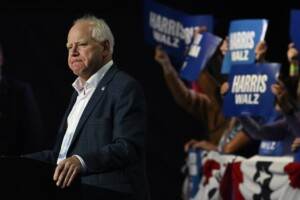
Politics tamfitronics Minnesota Gov. Tim Walz attends a rally in Asheville, North Carolina, on Sept. 17. Minnesota led the way on in...
TAMFIS NIG LTDRC 8067447CAC ACTIVEFinima, Bonny Island, Rivers State

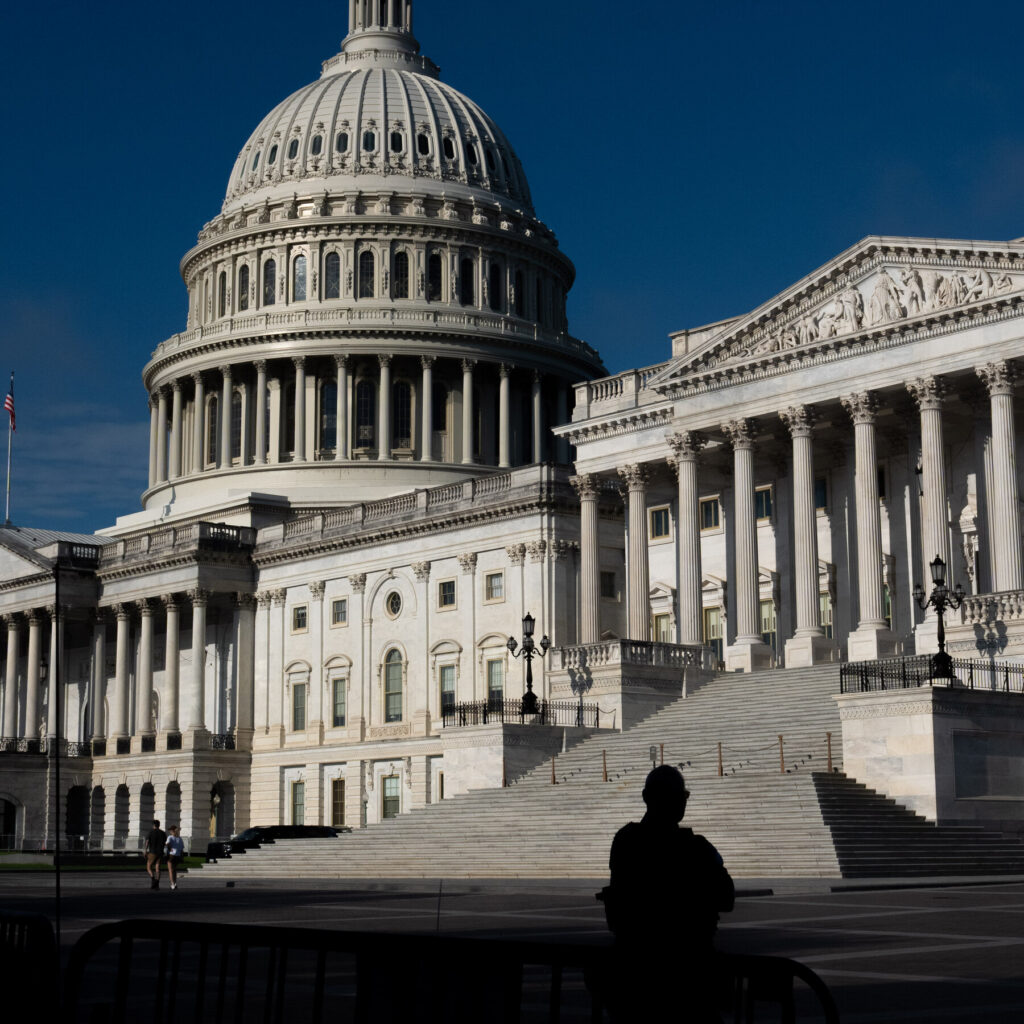
With the midterm elections looming, the U.S. Senate has taken decisive action to prevent a potential government shutdown by approving a temporary funding measure more than a month ahead of the fiscal deadline. This early move underscores a shared priority among lawmakers from both parties to maintain federal operations and avoid the political and economic fallout that a shutdown could trigger. By securing stopgap funding well in advance, Congress aims to ensure stability during a politically sensitive period, providing additional time for comprehensive budget negotiations without risking disruption to government services. This article explores the context, implications, and significance of this legislative step, offering insight into what it means for the government and the public.
A stopgap funding bill, commonly known as a continuing resolution, is a temporary legislative measure that extends government funding at current levels to prevent a shutdown when full appropriations have not been finalized. It essentially maintains the status quo, allowing federal agencies to continue operating without interruption while lawmakers work out the details of the budget.
In this case, the Senate’s approval of the stopgap bill more than a month before the official spending deadline signals a strategic and proactive approach. By acting early, Congress avoids the pressure and uncertainty that typically accompany last-minute budget battles. This extension buys crucial time for legislators to negotiate the comprehensive appropriations bills necessary to fund government operations for the upcoming fiscal year. The early passage reflects a recognition of the complexities involved in budget negotiations and the desire to prevent any lapse in funding that could disrupt government functions.
The decision to act well in advance of the deadline is relatively uncommon and demonstrates an eagerness in both parties to avoid the messy political fights that often characterize budget impasses. This preemptive move allows for a more measured and less frantic negotiation process, reducing the risk of brinkmanship that could lead to a shutdown.
The passage of the stopgap bill represents a notable instance of bipartisan cooperation in an otherwise politically charged environment. Both major parties have shown eagerness to avoid a contentious budget fight that could deepen partisan divides and negatively impact public perception ahead of the midterm elections.
Historically, government shutdowns have been politically damaging for all involved, often resulting in public frustration, economic disruption, and diminished trust in government institutions. Recognizing these risks, senators from both parties have prioritized stability and governance over political point-scoring, at least temporarily. This willingness to collaborate highlights a pragmatic understanding that the consequences of a shutdown would be far-reaching, affecting not only government employees but also millions of Americans who rely on federal services.
This cooperation also reflects an acute awareness of the political stakes as the nation prepares to vote. By working together to avoid a shutdown, lawmakers aim to demonstrate responsibility and responsiveness to constituents’ needs, potentially mitigating the political fallout that could arise from a budget impasse. The early agreement signals a shared commitment to governance despite deep partisan divisions, underscoring the practical necessity of keeping government operational during a sensitive electoral period.
Avoiding a government shutdown ensures that federal agencies can continue functioning without interruption, maintaining essential services such as national security, public health, and social welfare programs. These services are vital to the daily lives of millions of Americans and the overall stability of the country.
Typically, a shutdown results in furloughs for non-essential federal workers and delays in services that many depend upon, ranging from processing social security benefits to maintaining national parks. By passing the stopgap bill early, the Senate has effectively mitigated these risks, ensuring continuity for both government employees and the public.
Moreover, government shutdowns can have broader economic consequences, including disruptions to markets, delays in government contracts, and financial uncertainty for businesses and contractors reliant on federal funding. The early funding extension helps preserve economic stability by preventing such ripple effects, which can be particularly damaging during periods of economic volatility or political uncertainty.
The timing of this funding measure is especially critical given the approaching midterm elections, as economic disruptions or service interruptions could exacerbate public anxiety and erode confidence in government leadership. By maintaining uninterrupted operations, the government helps sustain public trust and supports the smooth functioning of the economy.
While the stopgap funding bill averts an immediate crisis, it is only a temporary solution. Lawmakers must still negotiate and pass the full appropriations bills before the extended deadline to ensure long-term government funding.
These upcoming budget negotiations are expected to be complex and potentially contentious, involving debates over spending priorities, policy provisions, and fiscal responsibility. The political dynamics of the midterm election cycle add an additional layer of complexity, as parties seek to appeal to their bases and demonstrate effective governance in a highly polarized environment.
Observers will be closely monitoring whether the initial spirit of bipartisan cooperation endures or if partisan conflicts resurface as the deadline approaches. The ability of Congress to reach consensus will be critical in preventing future disruptions and maintaining public confidence in government operations. The coming weeks will be pivotal in shaping the fiscal and political landscape ahead of the elections.
The early passage of the stopgap funding bill, more than a month before the deadline, provides lawmakers with a valuable window to engage in these negotiations without the immediate threat of a shutdown looming. This breathing room could facilitate more thoughtful and less rushed discussions, potentially increasing the chances of reaching a comprehensive budget agreement.
The Senate's early approval of a stopgap funding bill represents a pragmatic and strategic step to avert the immediate threat of a government shutdown. By acting well in advance of the spending deadline, lawmakers have prioritized stability and continuity, recognizing the significant consequences a shutdown could have on public services, government employees, and the broader economy. This preemptive move reflects a mutual eagerness among both parties to avoid the political turmoil and economic disruption that typically accompany budget impasses, especially during an election cycle. However, this measure is temporary, and the weeks ahead will be critical as Congress navigates the complex and potentially contentious budget negotiations amid the heightened political stakes of the midterm elections. The ability of both parties to sustain cooperation will be essential to avoid future disruptions and ensure effective governance, underscoring the ongoing challenge of balancing political interests with the imperative of maintaining government operations.
Originally reported by nytimes.com. Adapted for our readers with AI assistance.
Keep reading
Politics
Politics tamfitronics Minnesota Gov. Tim Walz attends a rally in Asheville, North Carolina, on Sept. 17. Minnesota led the way on in...
Politics
Deji Adeyanju; Niger State Mining Victims Human rights lawyer and activist, Deji Adeyanju, has accepted his appointment as a member of the Federal Government’s…
Politics
Democracy, Featured, Global, Global Governance, Headlines, International Justice, IPS UN: Inside the Glasshouse, TerraViva United Nations UNITED NATIONS, Sep 11 2026 (IPS) – When…
TAMFIS NIG LTD
Electrical and instrumentation engineering, bid preparation and consulting, IT and software.