Politics
How Minnesota Figures Into the Presidential Politics of Insulin Prices
Politics tamfitronics Minnesota Gov. Tim Walz attends a rally in Asheville, North Carolina, on Sept. 17. Minnesota led the way on in...
TAMFIS NIG LTDRC 8067447CAC ACTIVEFinima, Bonny Island, Rivers State

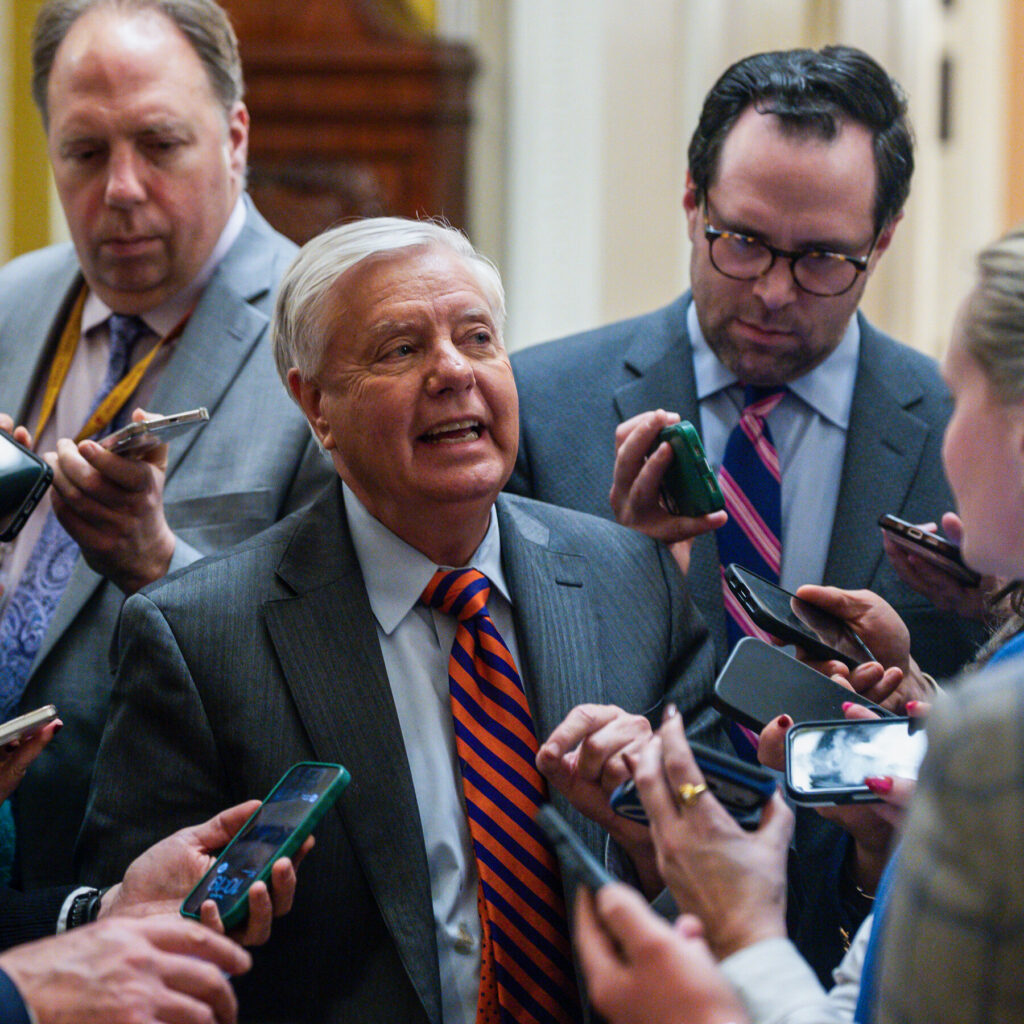
In a decisive move reflecting heightened concerns over international security, the U.S. Senate recently passed a sanctions bill targeting Russia and Iran. The legislation, strongly supported by the late Senator Lindsey Graham of South Carolina, was fast-tracked following his unexpected passing. This development signals a renewed congressional focus on curbing the influence and activities of these two nations amid ongoing global conflicts and diplomatic challenges.
The sanctions bill emerged from a growing bipartisan consensus on the need to address the perceived threats posed by Russia and Iran. Senator Lindsey Graham, a prominent Republican known for his firm stance on foreign policy, had been a key proponent of the legislation. His sudden death last month galvanized lawmakers to expedite the bill’s passage as a tribute to his efforts and a reaffirmation of U.S. resolve.
The legislation aims to impose additional economic and political pressures on Russia and Iran, countries that have been at the center of various international disputes, including conflicts in Eastern Europe and the Middle East. By targeting critical sectors such as energy, finance, and military procurement, the bill seeks to limit these nations’ capabilities to sustain aggressive policies and destabilizing actions. This approach reflects a strategic effort to weaken the operational and financial foundations that enable their contentious foreign policies.
The bill includes a comprehensive range of sanctions designed to tighten restrictions on Russian and Iranian entities. For Russia, the focus is on curbing its military operations and limiting access to advanced technology that could enhance its defense capabilities. The sanctions also target oligarchs and businesses closely linked to the Kremlin, aiming to disrupt financial networks that support the government’s strategic objectives and reduce its ability to fund military and political initiatives.
Regarding Iran, the legislation intensifies sanctions related to its nuclear program and regional influence. It addresses Iran’s support for proxy groups and militias in countries such as Syria, Iraq, and Yemen, which have contributed to regional instability. Additionally, the bill seeks to prevent Iran from acquiring materials and technologies that could advance its missile development and nuclear ambitions, thereby aiming to curb the country’s capacity to develop weapons of mass destruction.
The sanctions are structured to allow for periodic review and adjustment, enabling the U.S. government to respond flexibly to changes in the geopolitical landscape or shifts in the behavior of Russia and Iran. This mechanism ensures that the sanctions remain effective and relevant, adapting to new developments and diplomatic efforts.
The bill’s passage reflects a rare moment of bipartisan agreement in an otherwise polarized political environment. Both Republicans and Democrats recognized the importance of sending a clear message to Russia and Iran about the consequences of their actions. This consensus underscores the enduring priority of national security and foreign policy concerns across party lines, highlighting a shared commitment to protecting U.S. interests and global stability.
Senator Graham’s role was pivotal; his advocacy helped bridge divides and rally support among his colleagues. Lawmakers expressed that moving forward with the bill was not only a policy imperative but also a way to honor his legacy. The speed of the bill’s progression suggests a shared urgency to reinforce U.S. sanctions as tools of diplomacy and deterrence.
However, some critics argue that sanctions alone may not be sufficient to change the behavior of these nations and caution against escalating tensions without accompanying diplomatic efforts. The debate continues over the best approach to balance pressure with engagement, emphasizing the need for a multifaceted strategy that includes dialogue alongside economic measures.
The new sanctions are expected to complicate diplomatic relations with Russia and Iran, potentially leading to retaliatory measures. Both countries have historically responded to U.S. sanctions with counter-sanctions and increased hostility. This dynamic could affect global markets, energy supplies, and regional stability, especially given Russia’s role as a major energy exporter and Iran’s influence in the Middle East.
Allies and partners of the United States have generally supported efforts to hold Russia and Iran accountable, though some have called for coordinated international action to maximize effectiveness. The legislation may prompt renewed discussions within international forums about collective responses to these countries’ policies, reinforcing the importance of multilateral cooperation in addressing global security challenges.
The sanctions also signal to other nations the U.S. commitment to defending its interests and those of its allies. This stance may influence broader geopolitical alignments and encourage other countries to reassess their relationships with Russia and Iran, potentially reshaping international alliances and diplomatic strategies.
With the Senate’s approval, the bill now moves to the House of Representatives for consideration. If passed, it will require implementation by various federal agencies, including the Treasury Department, which administers sanctions enforcement. Effective implementation will be critical to achieving the bill’s objectives and ensuring that the sanctions have the intended impact on targeted entities.
Challenges include ensuring robust monitoring of compliance, preventing sanctions evasion, and managing potential economic fallout for U.S. businesses and global markets. Policymakers will need to balance firm enforcement with flexibility to adapt to evolving circumstances, maintaining the sanctions’ effectiveness without unintended consequences.
The bill’s progress also raises questions about the future direction of U.S. foreign policy toward Russia and Iran, including the potential for renewed diplomatic negotiations or further escalation. The coming months will be crucial in determining how these complex issues unfold, requiring careful coordination between legislative, executive, and diplomatic efforts.
The Senate’s passage of the sanctions bill against Russia and Iran marks a significant step in U.S. efforts to address ongoing geopolitical challenges. Fueled by the late Senator Lindsey Graham’s commitment, the legislation demonstrates a rare moment of bipartisan resolve to confront foreign threats through economic measures. While the bill’s impact will depend on effective enforcement and broader diplomatic strategies, it underscores the United States’ determination to uphold its interests and promote global security. As the bill advances through the legislative process, close attention will be needed to balance pressure with engagement and navigate the complexities of international relations in a volatile global environment.
Originally reported by nytimes.com. Adapted for our readers with AI assistance.
Keep reading
Politics
Politics tamfitronics Minnesota Gov. Tim Walz attends a rally in Asheville, North Carolina, on Sept. 17. Minnesota led the way on in...
Politics
Deji Adeyanju; Niger State Mining Victims Human rights lawyer and activist, Deji Adeyanju, has accepted his appointment as a member of the Federal Government’s…
Politics
Democracy, Featured, Global, Global Governance, Headlines, International Justice, IPS UN: Inside the Glasshouse, TerraViva United Nations UNITED NATIONS, Sep 11 2026 (IPS) – When…
TAMFIS NIG LTD
Electrical and instrumentation engineering, bid preparation and consulting, IT and software.