Politics
How Minnesota Figures Into the Presidential Politics of Insulin Prices
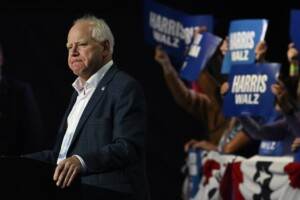
Politics tamfitronics Minnesota Gov. Tim Walz attends a rally in Asheville, North Carolina, on Sept. 17. Minnesota led the way on in...
TAMFIS NIG LTDRC 8067447CAC ACTIVEFinima, Bonny Island, Rivers State


In a period marked by intense political maneuvering, President William Ruto's recent return from a United States trip has sparked significant attention. While the visit was aimed at strengthening diplomatic ties and securing support for Kenya's development agenda, it also became a focal point for debates on government spending and internal party dynamics. Concurrently, Deputy President Rigathi Gachagua publicly criticized some of their closest allies, accusing them of meddling in Mount Kenya politics and threatening unity within the Kenya Kwanza coalition. This article delves into the details of President Ruto's U.S. visit, the clarifications on its costs, and the fiery remarks from DP Gachagua towards political insiders, exploring the implications for Kenya's political landscape ahead of the 2027 elections.
President William Ruto's trip to the United States, which concluded on May 25, 2024, was a key diplomatic engagement aimed at reinforcing Kenya's bilateral relations with America. Accompanied by high-profile government officials including Interior Cabinet Secretary Kithure Kindiki and Interior Principal Secretary Raymond Omollo, the visit underscored Kenya's commitment to international partnerships that support economic growth and security.
The visit was also attended by Defence Cabinet Secretary Aden Duale and Kikuyu MP Kimani Ichung’wah, indicating the trip's importance in consolidating both domestic and international political support. Upon his return, President Ruto expressed optimism about the outcomes of the trip, emphasizing the significance of the engagements and the potential benefits for Kenya’s development agenda.
The reception President Ruto received upon arrival was warm, signaling strong backing from his political allies and government officials. This high-profile welcome was not only a show of unity but also a strategic move to project strength and cohesion within the ruling coalition, especially amid rising political tensions.
Following the trip, rumors and reports circulated alleging that President Ruto's visit to the U.S. was marked by excessive and unjustifiable expenditure. These claims sparked public debate about government spending and fiscal responsibility, especially in a period when economic challenges remain a concern for many Kenyans.
In response, President Ruto addressed these allegations directly, describing them as exaggerated and bordering on the ridiculous. He emphasized his cautious approach to managing public resources, stating that he had deliberately reduced recurrent expenditures by 30% across his office and various government agencies to ensure prudent financial management.
The President highlighted that the savings from these budget cuts were redirected towards critical sectors such as education, health, and social welfare programs, including direct cash transfers to vulnerable populations. This clarification aimed to reassure the public that the trip was conducted with fiscal discipline and aligned with broader government priorities.
Amid the backdrop of President Ruto’s diplomatic engagements, Deputy President Rigathi Gachagua took a firm stance against certain politicians within their coalition. For the first time, Gachagua openly accused some allies from the Rift Valley and Mount Kenya regions of meddling in Mount Kenya politics, which he described as counterproductive and divisive.
Without naming individuals, DP Gachagua warned that some political actors were conspiring to influence the 2027 election dynamics prematurely, questioning the rationale behind attempts to undermine the President while he is still active in leadership. His remarks suggested deep-seated frustrations with internal disloyalty and political scheming.
This public confrontation highlighted the growing tensions within the Kenya Kwanza coalition, signaling potential challenges in maintaining unity as the next general elections approach. Gachagua’s comments reflect his determination to safeguard the coalition’s integrity and ensure that internal disputes do not derail their shared political objectives.
The Rift Valley and Mount Kenya regions are key political battlegrounds in Kenya, often influencing national politics significantly due to their population sizes and economic importance. Historically, alliances and rivalries within these regions have shaped electoral outcomes and government formations.
Deputy President Gachagua’s accusations point to a complex web of relationships where politicians from Rift Valley allegedly partner with Mount Kenya figures to manipulate political processes. This interference, according to Gachagua, threatens the unity and collective goals of the Kenya Kwanza coalition.
Understanding these regional political dynamics is essential, as they not only affect intra-coalition relationships but also have broader implications for governance and policy direction in Kenya. The tensions underscore the need for cohesive strategies that respect regional interests while promoting national unity.
In his public statements, Deputy President Gachagua emphasized the importance of loyalty and condemned betrayal within their political camp. He reminded supporters that the people of Mount Kenya had faithfully backed President Ruto during the 2022 elections and expected continued solidarity moving forward.
Gachagua described their constituency as straightforward and principled, with betrayal being the only unacceptable behavior. His remarks were a clear message to those within the coalition who might be entertaining rival ambitions or engaging in divisive politics.
By calling for unity and loyalty, Gachagua aimed to strengthen the coalition’s internal cohesion and signal that any form of political backstabbing would not be tolerated. This stance is crucial in maintaining a united front as the Kenya Kwanza coalition prepares for the 2027 elections.
The tensions revealed by DP Gachagua’s accusations and President Ruto’s recent diplomatic activities highlight the intricate challenges facing Kenya’s ruling coalition. As the 2027 elections approach, managing internal disputes and presenting a unified vision will be critical for Kenya Kwanza’s electoral success.
President Ruto’s emphasis on fiscal prudence during his U.S. trip and Gachagua’s warnings against political interference underscore the coalition’s awareness of the need for discipline and strategic focus. However, unresolved grievances and factionalism within the coalition could undermine these efforts if not addressed effectively.
The political developments also suggest that alliances within regions such as Rift Valley and Mount Kenya will remain pivotal. How these regions negotiate their internal differences and collaborate with national leadership will significantly influence Kenya’s political trajectory in the coming years.
The public and media have closely followed the unfolding political drama within the Kenya Kwanza coalition, with many expressing concern over the potential for disunity to affect governance and development initiatives. Media outlets have highlighted both the President’s diplomatic efforts and DP Gachagua’s outspoken criticisms, offering diverse perspectives on the situation.
Public opinion appears divided, with some sympathizing with Gachagua’s call for loyalty and others calling for calm and dialogue to resolve differences internally. The discourse reflects broader anxieties about political stability and the impact of infighting on Kenya’s progress.
Effective communication and transparency by the coalition’s leadership will be essential in managing public perceptions. Demonstrating a commitment to resolving disputes constructively can help maintain confidence among Kenyans and international partners alike.
The current political tensions present both challenges and opportunities for the Kenya Kwanza coalition. While DP Gachagua’s comments highlight divisions, they also open the door for honest dialogue and necessary reforms within the coalition structure.
President Ruto’s demonstrated fiscal discipline and diplomatic engagement could serve as a foundation for building trust and reinforcing collective goals. Collaborative efforts to address grievances and align strategies will be vital for the coalition’s longevity and effectiveness.
As Kenya moves closer to the 2027 elections, fostering unity within the ruling coalition will be crucial. Success will depend on the ability of leaders to prioritize national interests over personal ambitions and to present a coherent vision that resonates with all Kenyans.
President William Ruto’s return from his United States trip and the subsequent clarifications on the trip’s expenditure have brought fiscal responsibility into the spotlight. At the same time, Deputy President Rigathi Gachagua’s candid criticism of certain coalition allies reveals underlying tensions that could impact Kenya Kwanza's cohesion ahead of the 2027 elections. As the coalition navigates these challenges, the emphasis on loyalty, unity, and prudent governance will be key to sustaining political stability and delivering on promises to the Kenyan people. The coming months will be crucial in determining whether these internal disputes can be resolved amicably or if they will reshape Kenya’s political landscape in significant ways.
Originally reported by pulselive.co.ke. Adapted for our readers.
Keep reading
Politics
Politics tamfitronics Minnesota Gov. Tim Walz attends a rally in Asheville, North Carolina, on Sept. 17. Minnesota led the way on in...
Politics
Deji Adeyanju; Niger State Mining Victims Human rights lawyer and activist, Deji Adeyanju, has accepted his appointment as a member of the Federal Government’s…
Politics
Democracy, Featured, Global, Global Governance, Headlines, International Justice, IPS UN: Inside the Glasshouse, TerraViva United Nations UNITED NATIONS, Sep 11 2026 (IPS) – When…
TAMFIS NIG LTD
Electrical and instrumentation engineering, bid preparation and consulting, IT and software.