
Business
Nigeria’s Broken Systems: Why Failure Persists and What Must Change
An analysis of the structural and institutional factors that entrench governance failures in Nigeria, from patronage politics and weakened oversight to the urgent need…
TAMFIS NIG LTDRC 8067447CAC ACTIVEFinima, Bonny Island, Rivers State

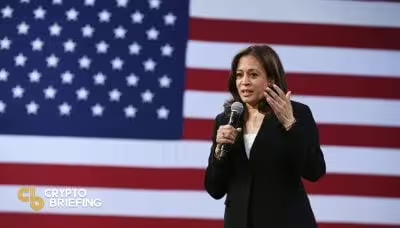
In a landmark move at the intersection of cryptocurrency and politics, Chris Larsen, co-founder of Ripple, donated $1 million worth of XRP tokens to Future Forward PAC, which supports Vice President Kamala Harris' 2024 presidential campaign. This contribution marks the first known cryptocurrency donation to Harris’ campaign, highlighting the growing influence of digital assets in political financing. As Ripple faces a high-profile legal battle with the U.S. Securities and Exchange Commission (SEC), Larsen’s endorsement arrives at a pivotal moment, underscoring the evolving relationship between crypto stakeholders and political leaders. This article delves into the details of the donation, the broader context of crypto in U.S. politics, and the potential ramifications for the upcoming election.
On August 14, 2024, Chris Larsen made waves by donating 1.7 million XRP tokens, valued at approximately $1 million, to Future Forward PAC, a political action committee backing Kamala Harris’ presidential bid. This transaction was officially recorded in Federal Election Commission (FEC) filings, marking a transparent and traceable crypto contribution to the political sphere.
Future Forward PAC utilizes Coinbase Commerce to accept cryptocurrency donations, which are immediately converted into the stablecoin USDC. This conversion strategy mitigates the price volatility typical of cryptocurrencies, ensuring that the PAC receives stable funding to support campaign activities effectively.
Larsen’s donation is historically significant as it represents the first cryptocurrency donation to Kamala Harris’ campaign. It signals a growing acceptance and integration of digital assets into mainstream political fundraising, reflecting the increasing influence and legitimacy of the crypto industry in U.S. politics.
Future Forward PAC has emerged as a major force in the 2024 election cycle, having raised over $200 million in donations. The PAC’s willingness to accept cryptocurrency contributions through platforms like Coinbase Commerce is part of a broader trend in political fundraising, where digital currencies are becoming vital tools for campaign financing.
Notable supporters of Future Forward PAC include high-profile figures such as former New York City Mayor Michael Bloomberg and venture capitalist Reid Hoffman. The involvement of these prominent donors alongside crypto platforms like Coinbase underscores the PAC’s diverse and robust financial backing.
By converting crypto donations into USDC, Future Forward PAC protects campaign funds from market fluctuations, thereby ensuring financial stability. This innovative approach to political fundraising exemplifies how cryptocurrency can be seamlessly integrated into traditional campaign finance mechanisms.
Ripple’s ongoing litigation with the SEC, which began in 2020, centers around whether XRP should be classified as a security. The case has seen multiple appeals and rulings, with a crucial final judgment issued in August 2024. This legal uncertainty has significant implications for Ripple and the broader crypto industry.
Chris Larsen’s public support for Kamala Harris during this contentious legal battle adds a political dimension to the case. As Ripple navigates regulatory challenges, Larsen’s donation may be interpreted as an endorsement of Harris’ stance on innovation and technology, potentially influencing regulatory policies related to digital assets.
The SEC lawsuit has heightened awareness and debate around cryptocurrency regulation in the U.S. Larsen’s donation, therefore, not only symbolizes financial support but also reflects a strategic alignment with political figures who advocate for progressive crypto policies.
The use of cryptocurrency in political campaigns has grown substantially in recent years, reflecting the broader adoption of digital assets across various sectors. Campaigns increasingly recognize the benefits of accepting crypto donations, including access to new donor demographics and streamlined fundraising.
Technological advances and regulatory clarifications have made it easier for political entities to accept and manage crypto contributions responsibly. Platforms like Coinbase Commerce facilitate secure, compliant transactions, enabling campaigns to tap into the growing crypto community.
Chris Larsen’s donation to Harris’ campaign is emblematic of this trend, highlighting how crypto leaders are becoming more politically active. This participation could reshape campaign finance by introducing new funding sources and potentially influencing policy agendas related to blockchain and digital currencies.
Vice President Kamala Harris has publicly expressed support for innovative technologies, including artificial intelligence and digital assets, as part of her economic vision. Her campaign emphasizes the potential of these technologies to drive economic growth and competitiveness in the global market.
Harris’ administration has indicated a nuanced approach to cryptocurrency regulation, seeking to balance innovation with consumer protection and financial stability. This stance appeals to stakeholders who advocate for responsible yet forward-looking crypto policies.
By receiving a significant crypto donation, Harris’ campaign signals openness to engaging with the digital asset community. This engagement may help shape her platform on technology and finance, positioning her as a candidate attuned to the future of the economy.
The 2024 U.S. presidential election has brought cryptocurrency issues to the forefront of political debates. Both major candidates, Kamala Harris and Donald Trump, have articulated positions on how digital assets should be regulated and integrated into the economy.
Donald Trump has criticized the current regulatory approach, promising to end what he terms an “unlawful and un-American crackdown” on the crypto industry. His pro-crypto rhetoric aims to attract voters who support less restrictive policies on digital currencies.
Conversely, Harris’ emphasis on innovation with measured regulation reflects a more balanced approach. The contrasting views between the candidates highlight cryptocurrency’s growing importance as a political and economic issue in the U.S.
Chris Larsen’s $1 million XRP donation may influence how the crypto industry aligns politically during the 2024 election. As a respected figure in the crypto space, his endorsement could sway other stakeholders to support candidates with favorable crypto policies.
The donation also underscores the increasing intersection of technology and politics, where financial backing from crypto leaders can shape campaign narratives and policy priorities. This dynamic may lead to greater advocacy for crypto-friendly regulations if Harris secures the presidency.
Moreover, Larsen’s support draws attention to Ripple’s legal challenges, potentially prompting policymakers to consider the implications of regulatory actions on innovation and investment in the digital assets sector.
The integration of cryptocurrency into political campaign financing is expected to grow as digital assets become more mainstream. Regulatory frameworks will likely evolve to address transparency, compliance, and donor protections specific to crypto donations.
Campaigns and political action committees may increasingly adopt stablecoins and other mechanisms to manage volatility, as Future Forward PAC has done. This trend could enhance the efficiency and appeal of crypto fundraising efforts.
Chris Larsen’s pioneering donation sets a precedent for future crypto contributions, signaling a new era where digital currencies play a vital role in shaping political landscapes and electoral outcomes.
Chris Larsen’s $1 million XRP donation to Kamala Harris’ campaign marks a significant milestone in the convergence of cryptocurrency and U.S. politics. This unprecedented contribution not only exemplifies the increasing acceptance of digital assets in political fundraising but also highlights the strategic alliances forming amid Ripple’s ongoing legal disputes with the SEC. As the 2024 presidential election approaches, the role of cryptocurrency in shaping policy debates and campaign financing will likely intensify. Larsen’s endorsement may influence the crypto industry’s political alignment and encourage further integration of digital assets into the electoral process. Ultimately, this development signals a transformative shift in how innovation, finance, and politics intersect in the modern era.
Originally reported by cryptobriefing.com. Adapted for our readers.
Keep reading
Business
An analysis of the structural and institutional factors that entrench governance failures in Nigeria, from patronage politics and weakened oversight to the urgent need…
Politics
Yari says the APC will emphasise Tinubu’s achievements in 2027. This analysis explains how voters can examine outcomes, baselines and campaign evidence.
Lifestyle
Obi says his wife funds her own purchases. This analysis separates his explanation, unverified handbag prices and the evidence needed to assess public spending.
TAMFIS NIG LTD
Electrical and instrumentation engineering, bid preparation and consulting, IT and software.

