Politics
Yari’s 2027 Campaign Strategy: How to Evaluate Claims About Tinubu’s Record
Yari says the APC will emphasise Tinubu’s achievements in 2027. This analysis explains how voters can examine outcomes, baselines and campaign evidence.
TAMFIS NIG LTDRC 8067447CAC ACTIVEFinima, Bonny Island, Rivers State

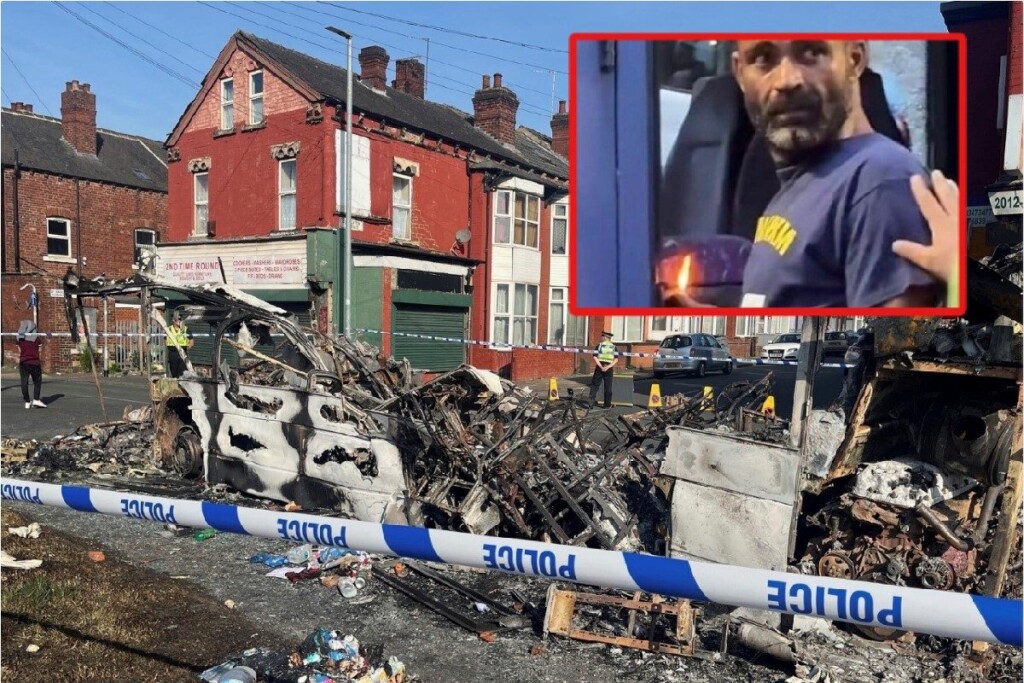
In July 2024, Leeds experienced a surge of violent unrest centered in Harehills, leading to significant property damage and public disorder. The catalyst for the riots was a contentious social services intervention involving child protection, which escalated community tensions. Among the most notable incidents was the setting ablaze of a public bus, captured on video, leading to the arrest of a man named Iustin Dobre on charges of arson and violent disorder. This event has sparked national attention, with political figures weighing in and authorities striving to restore peace. This article delves into the background, unfolding, and implications of the Leeds riots, exploring the social dynamics, political reactions, and law enforcement efforts surrounding the incident.
The unrest in Leeds' Harehills area began following a social services intervention involving the removal of four children from their family. This action, aimed at protecting the children, triggered anxiety and anger among community members who perceived it as unjust or mishandled. The local council described it as a “family incident,” but the lack of detailed public information fueled speculation and tension.
Social workers, accompanied by police officers, attended the scene to ensure the welfare of the children, but their presence was met with hostility from some community members. The incident ignited a series of confrontations, with groups gathering and emotions escalating rapidly. This highlights the delicate balance between child protection protocols and community trust in public institutions.
Authorities later confirmed that the intervention was necessary due to concerns for the children's safety. However, the community's reaction underscores the challenges faced when social services actions are perceived as intrusive or culturally insensitive. The event acted as a flashpoint, leading to widespread disorder and violence.
One of the most alarming moments during the riots was the deliberate setting of a public bus on fire in Harehills. The act was captured on video, showing men using lighters to ignite the vehicle, with no attempt to conceal their identities. This brazen behavior shocked residents and authorities alike, symbolizing the intensity of the unrest.
Alongside the arson, rioters overturned a police vehicle and engaged in stone-pelting, creating a chaotic and dangerous environment for both law enforcement and bystanders. The violence disrupted public transport and posed significant risks to community safety. Emergency services responded swiftly, but the scale of disorder presented considerable challenges.
These acts of violence marked a serious escalation from peaceful protests or expressions of discontent to outright criminal behavior. The destruction of public property not only inconvenienced residents but also strained community relations and diverted resources to restore order.
In the aftermath of the riots, police arrested several individuals suspected of involvement in violent disorder. Notably, a man named Iustin Dobre was charged with arson and violent disorder for his role in setting the bus on fire. The arrest was supported by extensive video evidence showing Dobre and others actively participating in the violence.
Five additional arrests followed on suspicion of violent disorder, reflecting law enforcement’s commitment to holding perpetrators accountable. These charges carry serious legal consequences, emphasizing the gravity of the offenses committed during the riots.
Authorities have indicated a zero-tolerance approach to such acts, aiming to deter future violence and reassure the public. The legal proceedings will be closely watched as a test of the justice system’s response to civil unrest and community safety threats.
The Leeds riots drew commentary from prominent political figures, including Nigel Farage, leader of the UK Reform Party. Farage characterized the unrest as an expression of the “politics of the subcontinent,” suggesting that ethnic and cultural tensions imported from South Asia were manifesting violently on British streets.
Farage’s remarks sparked controversy, with critics accusing him of exploiting the situation to deepen societal divisions and stigmatize minority communities. Green Party councillor Mothin Ali responded by urging Farage to stop using the unrest for political gain and to support community reconciliation efforts instead.
This discourse highlights the complexities of interpreting social unrest through political lenses, where narratives can either foster understanding or exacerbate divisions. It also underscores the need for nuanced dialogue that addresses root causes rather than assigning blame.
Community leaders and local residents expressed deep concern over the violence and its impact on social cohesion. Many emphasized that the riots do not represent the broader community, which remains committed to peace and cooperation with authorities.
Efforts to engage with the Roma and Romanian communities, who were notably affected by the events, have been initiated by government officials. These dialogues aim to rebuild trust, clarify misunderstandings, and ensure culturally sensitive approaches to social services interventions.
Local councillors and activists are advocating for increased investment in community support programs, emphasizing prevention and engagement to avoid future escalations. The community’s resilience and willingness to heal are vital components in overcoming the aftermath of the riots.
West Yorkshire Police responded decisively to the riots, deploying additional resources to restore order in Harehills and surrounding areas. The police emphasized their commitment to protecting public safety and investigating all criminal acts thoroughly.
UK Home Secretary Yvette Cooper condemned the disorder, labeling it “appalling” and unequivocally stating that such violence has no place in society. Her remarks underscored the government’s stance on law and order amidst civil unrest.
Downing Street echoed these sentiments, with a spokesperson for Prime Minister Keir Starmer describing the scenes as “shocking and disgraceful.” The government is also working closely with community representatives to address underlying issues and prevent recurrence.
The riots received extensive media attention, with broadcasters providing real-time updates and in-depth analysis. Coverage highlighted the complexity of the situation, including the interplay between social services, law enforcement, and community reactions.
Social media played a significant role in disseminating footage and opinions, sometimes inflaming tensions but also fostering dialogue. The visibility of the bus arson and police vehicle vandalism galvanized public debate on community relations and policing strategies.
Journalists and commentators stressed the importance of balanced reporting to avoid sensationalism and to promote informed understanding of the causes and consequences of the unrest.
In the wake of the Leeds riots, stakeholders are focused on healing divisions and preventing future violence. Community engagement initiatives, culturally informed social services, and enhanced communication channels are key components of this strategy.
Authorities plan to increase collaboration with minority groups to build trust and ensure that interventions, especially those involving children, are handled transparently and sensitively. Education and outreach programs aim to reduce misinformation and fear within communities.
Long-term prevention will require addressing broader socio-economic challenges, including poverty and marginalization, which often underlie expressions of unrest. The Leeds incident serves as a critical case study for policymakers and community leaders nationwide.
The riots in Leeds' Harehills area serve as a stark reminder of the fragile balance between social services interventions, community trust, and public order. The arrest of Iustin Dobre for arson symbolizes the serious consequences of escalating violence. Political commentators and community leaders alike stress the need for measured responses that foster reconciliation rather than division. Moving forward, a collaborative approach involving law enforcement, government agencies, and community representatives is essential to heal wounds and prevent future unrest. Leeds’ experience underscores the importance of cultural sensitivity, transparent communication, and addressing underlying social issues to maintain peace and cohesion in diverse urban settings.
Originally reported by news18.com. Adapted for our readers.
Keep reading
Politics
Yari says the APC will emphasise Tinubu’s achievements in 2027. This analysis explains how voters can examine outcomes, baselines and campaign evidence.
Lifestyle
Obi says his wife funds her own purchases. This analysis separates his explanation, unverified handbag prices and the evidence needed to assess public spending.
Politics
Politics tamfitronics Minnesota Gov. Tim Walz attends a rally in Asheville, North Carolina, on Sept. 17. Minnesota led the way on in...
TAMFIS NIG LTD
Electrical and instrumentation engineering, bid preparation and consulting, IT and software.