
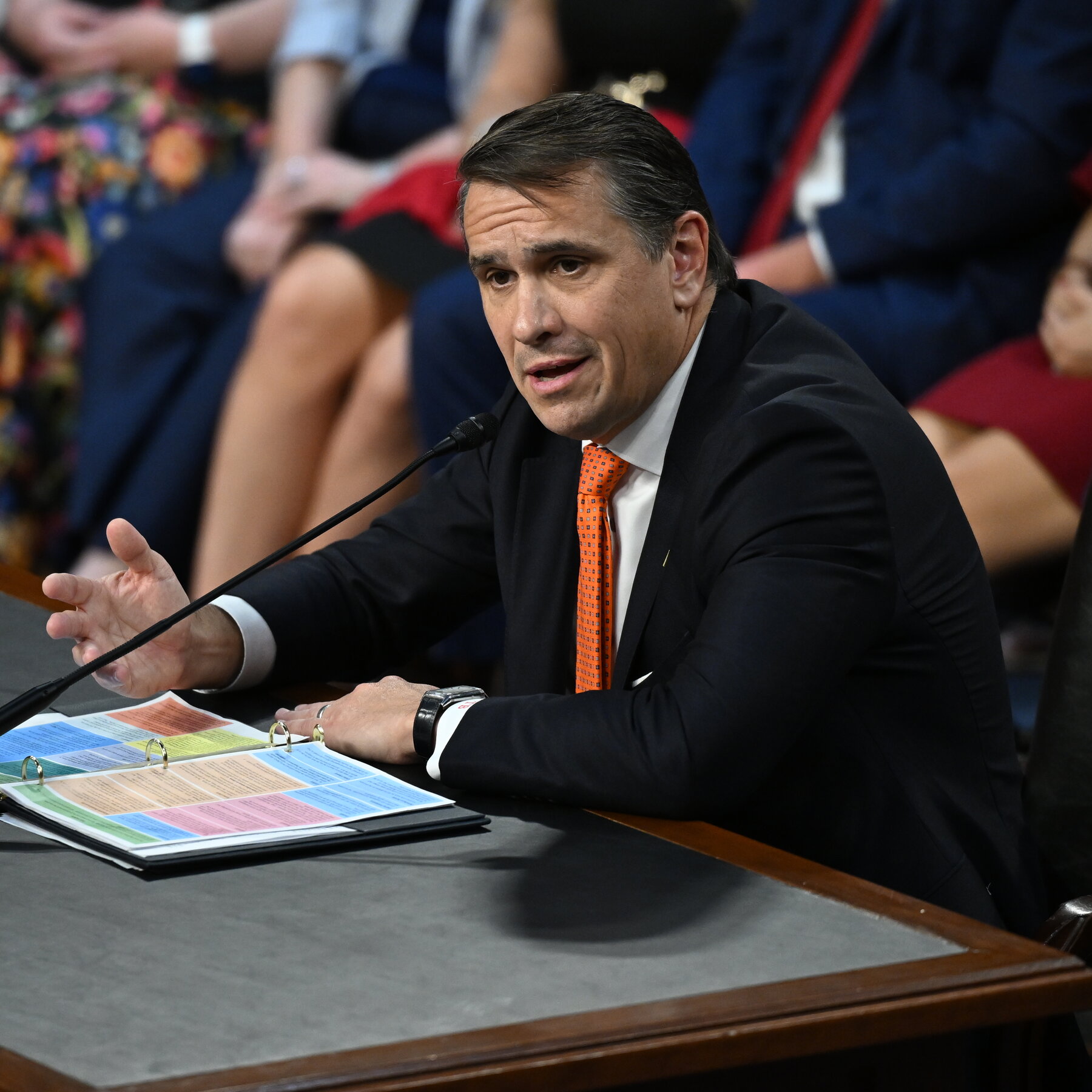
In a significant political development, acting Attorney General Todd Blanche has altered the Justice Department’s stance by withdrawing from an IRS funding agreement previously negotiated under President Trump’s administration. This move has prompted prominent Republican senators, including John Cornyn and Thom Tillis, to express their support for Blanche, highlighting a shift in Republican perspectives on federal tax enforcement and the Justice Department’s role. The reversal addresses longstanding concerns among GOP lawmakers about the scope and implications of the IRS deal, marking a critical moment in the ongoing debate over government oversight, fiscal policy enforcement, and political accountability.
Background: The Controversial IRS Funding Deal
The IRS funding agreement initially struck under President Trump’s administration aimed to enhance the agency’s resources for tax enforcement and collection. This initiative was intended to bolster the IRS’s capacity to address tax evasion and improve revenue collection, which proponents argued was necessary for maintaining fiscal responsibility and funding government programs.
However, the deal quickly became a source of controversy within Republican circles. Critics feared that the increased funding would lead to heightened scrutiny and potential overreach, particularly targeting conservative groups and individuals. These concerns were rooted in past allegations of political bias within the IRS, where conservative organizations claimed they were unfairly audited or investigated.
The Justice Department’s involvement in this arrangement was seen as a crucial element in overseeing the implementation of the funding deal. The department was expected to act as a safeguard against misuse of the expanded resources, ensuring that enforcement actions remained impartial and legally justified. Despite these assurances, skepticism persisted among GOP lawmakers who worried about the broader implications for taxpayer rights and political fairness.
Todd Blanche’s Memo and the Reversal
Acting Attorney General Todd Blanche issued a memo that effectively abandoned part of the IRS funding deal, signaling a significant departure from the prior administration’s approach. This memo came after careful consideration of the concerns raised by Republican senators and other critics who questioned the Justice Department’s role in facilitating the agreement.
Blanche’s decision was framed as an effort to restore balance and ensure that the IRS’s enhanced funding would not be used in ways that could undermine taxpayer rights or political neutrality. The memo clarified the Justice Department’s position, emphasizing a renewed commitment to oversight, accountability, and the protection of individual liberties.
By pulling back on the deal, Blanche aimed to address the political and legal sensitivities surrounding IRS enforcement activities. His action acknowledged the importance of maintaining public trust in federal agencies, especially amid heightened partisan scrutiny.
Republican Senators’ Response: Cornyn and Tillis Lead the Shift
Following Blanche’s memo, Senators John Cornyn of Texas and Thom Tillis of North Carolina publicly expressed their support for the acting attorney general’s decision. Both senators had previously been hesitant or openly opposed to the IRS funding deal due to concerns about its implications for taxpayers and political fairness.
Cornyn and Tillis’s endorsement of Blanche’s reversal indicates a broader willingness among some Republicans to reassess the Justice Department’s role in tax enforcement policies. Their support also reflects a strategic effort to align with public sentiment wary of government overreach, especially in the context of IRS activities, which have historically been a flashpoint in partisan debates.
This shift among GOP lawmakers suggests a nuanced approach to balancing the need for effective tax enforcement with protections against potential abuses of power. It also signals an openness to engage constructively with the Justice Department on matters of oversight and accountability.
Implications for the Justice Department and IRS Oversight
The withdrawal from the IRS funding deal marks a pivotal moment for the Justice Department, highlighting the challenges it faces in balancing robust enforcement with political and public accountability. Blanche’s memo suggests a recalibration of priorities, aiming to maintain effective tax enforcement while addressing bipartisan concerns about fairness and transparency.
For the IRS, this development could mean a more cautious approach to deploying increased resources, with heightened scrutiny from both lawmakers and the public. The agency may need to implement additional safeguards to ensure that enforcement actions are perceived as impartial and justified.
Moreover, this shift may influence future negotiations regarding federal agency funding and oversight. It sets a precedent for greater legislative involvement and oversight in how federal agencies utilize enhanced budgets, particularly when political sensitivities are involved.
The Justice Department’s renewed stance could also impact broader discussions about the role of federal agencies in enforcing laws without political bias, reinforcing the importance of maintaining public trust in government institutions.
Political Context and Future Prospects
This episode unfolds against a backdrop of heightened political tensions surrounding tax policy, government transparency, and the role of federal agencies. The IRS has long been a focal point of partisan debate, with accusations of bias and misuse of power frequently surfacing from both sides of the aisle.
Blanche’s action and the subsequent Republican support may signal a new phase of cooperation or at least dialogue between the Justice Department and GOP lawmakers. This could pave the way for more balanced policies that address enforcement needs while respecting political sensitivities.
However, the situation remains fluid, with potential challenges ahead as the administration and Congress navigate the complexities of tax enforcement and political oversight. Future developments will likely depend on how both sides manage these tensions and whether they can find common ground on the appropriate scope and limits of federal agency authority.
The evolving dynamic also reflects broader trends in American politics, where issues of government power, accountability, and partisan trust continue to shape policy debates and legislative actions.
What this means
The decision by acting Attorney General Todd Blanche to abandon part of the IRS funding deal represents a notable recalibration in federal tax enforcement policy, reflecting the complex interplay between legal authority, political considerations, and public accountability. The endorsement from prominent Republican senators John Cornyn and Thom Tillis underscores a shift within the GOP that could pave the way for more nuanced discussions about the role of the IRS and the Justice Department. As this situation evolves, it will be critical to monitor how these changes impact both the effectiveness of tax enforcement and the broader political landscape surrounding government oversight. This episode serves as a reminder of the delicate balance required to maintain trust in federal institutions while ensuring they fulfill their mandates impartially and effectively.
Source: Republican Holdouts Say They’ll Back Blanche After Assurances on I.R.S. Deal via www.nytimes.com.
This article was curated with AI assistance and reviewed according to Tamfis editorial settings.