
Business
Nigeria’s Broken Systems: Why Failure Persists and What Must Change
An analysis of the structural and institutional factors that entrench governance failures in Nigeria, from patronage politics and weakened oversight to the urgent need…
TAMFIS NIG LTDRC 8067447CAC ACTIVEFinima, Bonny Island, Rivers State

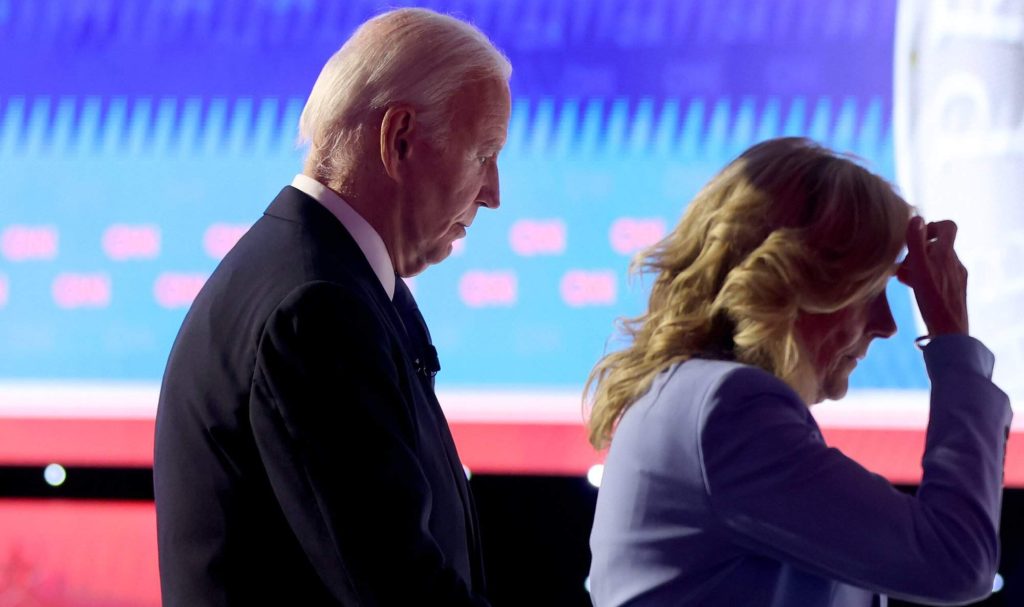
When White House Press Secretary Karine Jean-Pierre repeatedly referenced President Joe Biden's 'cold' following his debate performance against Donald Trump, she tapped into a powerful cultural phenomenon. In a society where health concerns increasingly shape daily behaviour—from workplace absenteeism to social interactions—the strategic use of medical explanations carries significant weight. This approach reflects broader trends in how political communications navigate public perception, particularly when addressing concerns about leadership capability. The incident illuminates how contemporary audiences process information about their leaders' wellbeing, revealing tensions between authentic health concerns and convenient narratives in political discourse.
The Biden administration's focus on a common cold as an explanatory factor for debate performance highlights a strategic communication approach that resonates with widespread cultural attitudes toward health. In contemporary society, minor ailments like colds have become socially acceptable explanations for underperformance across various contexts—from missed workdays to subpar meeting contributions. This normalization creates a receptive environment for health-based political explanations, particularly when delivered by trusted official sources.
What makes this approach particularly noteworthy is how it leverages existing public anxieties about health. The White House communications team appears to have recognised that in an era marked by heightened health consciousness following recent global health crises, references to common illnesses can serve as socially permissible explanations for otherwise concerning behaviours. This strategy transforms what might be perceived as cognitive or performance issues into relatable, temporary health setbacks.
The effectiveness of this tactic depends partly on the public's willingness to accept medical explanations at face value. When Press Secretary Jean-Pierre framed Biden's debate performance through the lens of a common cold, she invoked a narrative framework that many Americans find both understandable and forgiving—a temporary setback rather than a fundamental concern about capability.
The strategy employed by the Biden team reflects deeper societal shifts in how health concerns influence daily decision-making. Following the COVID-19 pandemic, many individuals demonstrate increased vigilance about illness transmission, manifesting in behaviours ranging from modified greeting customs to enhanced hygiene practices in public spaces. This altered relationship with health creates fertile ground for narratives that position common illnesses as significant mitigating factors.
Market research indicates that health anxiety has become a persistent feature of consumer behaviour, with significant portions of populations reporting heightened concern about contracting illnesses in everyday settings. This trend extends beyond personal health to influence workplace expectations, social interactions, and even consumer choices—from preferring contactless payment methods to avoiding crowded venues during peak illness seasons.
The political exploitation of this health-conscious mindset demonstrates how communications strategies adapt to prevailing cultural moods. By aligning explanations with widely shared health concerns, political teams can frame potentially damaging information within narratives that feel familiar and non-threatening to large segments of the electorate.
The dissemination of health-related political narratives follows distinct patterns in today's media environment. When official sources introduce medical explanations for political events, these narratives often receive amplified coverage across traditional and digital platforms. The simplicity and relatability of health explanations make them particularly suited for rapid dissemination in fragmented media landscapes where attention spans are limited and complex explanations struggle to gain traction.
Social media algorithms tend to favour content that evokes strong emotional responses or aligns with existing beliefs, potentially amplifying health-based political explanations regardless of their factual basis. This dynamic creates feedback loops where repeated exposure to certain narratives increases their perceived validity, even in the absence of substantive medical evidence.
The challenge for discerning consumers of news lies in distinguishing between legitimate health disclosures and strategically framed explanations. When health narratives emerge from official sources during politically sensitive moments, critical evaluation requires considering timing, consistency with observable behaviours, and alignment with established medical understanding of the cited conditions.
The strategic use of health explanations in political communication raises important questions about accountability mechanisms in democratic systems. When performance concerns are consistently attributed to temporary health issues, it becomes more difficult for the public to assess genuine capability trends over time. This dynamic can obscure patterns that might otherwise inform electoral decisions or institutional oversight processes.
Business and organisational leaders face similar challenges when health-based explanations become default responses to performance concerns. In corporate environments, distinguishing between legitimate health accommodations and avoidance of accountability requires clear policies, consistent application, and objective performance metrics that transcend individual explanations.
The erosion of straightforward performance assessment carries risks for institutional effectiveness. When explanations for underperformance become overly reliant on health narratives—particularly common, transient conditions—it becomes harder to address root causes whether they relate to training needs, systemic issues, or genuine capability concerns that require substantive intervention rather than temporal accommodations.
For citizens seeking to make informed judgments about their leaders' capabilities, developing media literacy skills specific to health-related claims proves essential. This includes understanding the actual symptomatology of common illnesses versus politically convenient attributions, recognizing timing patterns in health disclosures, and seeking corroborating information from independent medical sources when possible.
Health literacy extends beyond personal medical knowledge to encompass critical evaluation of how health information functions in public discourse. Citizens benefit from understanding the difference between privacy-protected health information and strategically shared wellness updates, particularly when such information coincides with politically significant events or periods of heightened scrutiny.
The responsibility for maintaining healthy public discourse falls partly on communications professionals who must balance transparency with strategic messaging. Ethical considerations arise when health narratives serve primarily to deflect accountability rather than provide genuine insight into leaders' wellbeing, particularly when repeated use of similar explanations suggests pattern avoidance rather than isolated incidents.
The Biden administration's emphasis on a common cold to explain debate performance represents more than a singular political tactic—it reflects broader societal trends in how health consciousness shapes public perception and discourse. As citizens navigate an information environment where health narratives carry significant weight, developing critical capabilities to evaluate such claims becomes increasingly important for meaningful democratic participation. The incident serves as a reminder that while legitimate health concerns deserve respect and accommodation, patterns of explanation warrant careful scrutiny to ensure they contribute to rather than detract from transparent public accountability. In an era where personal health and public life intersect more visibly than ever, the ability to discern between genuine health disclosures and strategically framed narratives emerges as an essential skill for informed citizenship.
Originally reported by theamericanconservative.com. Adapted for our readers with AI assistance.
Keep reading
Business
An analysis of the structural and institutional factors that entrench governance failures in Nigeria, from patronage politics and weakened oversight to the urgent need…
Politics
Yari says the APC will emphasise Tinubu’s achievements in 2027. This analysis explains how voters can examine outcomes, baselines and campaign evidence.
Lifestyle
Obi says his wife funds her own purchases. This analysis separates his explanation, unverified handbag prices and the evidence needed to assess public spending.
TAMFIS NIG LTD
Electrical and instrumentation engineering, bid preparation and consulting, IT and software.

