Politics
How Minnesota Figures Into the Presidential Politics of Insulin Prices
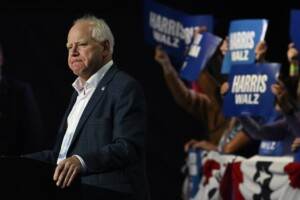
Politics tamfitronics Minnesota Gov. Tim Walz attends a rally in Asheville, North Carolina, on Sept. 17. Minnesota led the way on in...
TAMFIS NIG LTDRC 8067447CAC ACTIVEFinima, Bonny Island, Rivers State


The doctor’s office is traditionally viewed as a sanctuary where patients seek healing, comfort, and impartial medical advice. However, in recent years, political discourse has increasingly infiltrated spaces meant for objective healthcare, creating tension and discomfort. Politics in the medical setting can undermine trust, affect patient outcomes, and compromise the integrity of care. This article delves into why politics has no place in the doctor’s office, highlighting the critical need to preserve a neutral environment focused solely on health and wellbeing.
Neutrality in healthcare settings is paramount to fostering trust between patients and medical professionals. When patients feel that their personal beliefs and values are respected, they are more likely to engage honestly with their healthcare providers, leading to better diagnosis and treatment outcomes. Introducing politics into these interactions risks alienating patients and eroding this essential trust.
Medical professionals are trained to provide care based on evidence and clinical guidelines, not personal opinions or political ideologies. The doctor’s office must remain a place where scientific facts and patient needs are prioritized above partisan considerations. This impartiality ensures that all patients receive equitable care regardless of their political affiliations or beliefs.
Furthermore, neutrality helps protect the doctor-patient relationship from becoming adversarial. In politically charged environments, patients may hesitate to share vital health information if they fear judgment or bias. By keeping politics out of medical consultations, healthcare providers create a safe space where patients feel valued and understood solely as individuals seeking care.
Political conversations in medical settings can distract from the primary focus: the patient's health. When discussions veer into contentious political territory, it can create discomfort or stress, which may negatively affect the patient's emotional well-being and even their physical health. Stress and anxiety triggered by political disagreements can complicate existing health conditions.
Moreover, political bias can unconsciously influence clinical decisions. If a healthcare provider holds strong political views, there is a risk that these views may color their judgment or communication with patients. This can lead to disparities in care or patients feeling marginalized, which compromises the ethical standards of medicine.
Patients come from diverse backgrounds with varying beliefs and values. When political debates enter the consultation room, it can create divisions and reduce the effectiveness of communication. Effective healthcare depends on clear, unbiased dialogue; political interference can obstruct this essential exchange of information.
Medical ethics emphasize beneficence, non-maleficence, autonomy, and justice. These principles require healthcare providers to act in the best interests of patients without causing harm or discrimination. Introducing political opinions into clinical care risks violating these ethical guidelines by potentially alienating or harming patients.
Physicians and healthcare workers have a professional obligation to maintain boundaries that protect the therapeutic relationship. This includes refraining from imposing personal political beliefs on patients or allowing such beliefs to interfere with clinical judgment. Upholding these ethical standards preserves the integrity and professionalism of the healthcare environment.
The Hippocratic Oath and codes of conduct from medical associations worldwide underline the importance of impartiality and respect for all patients. By consciously excluding politics from medical interactions, healthcare providers honor these longstanding ethical commitments and promote equitable care.
Patient privacy is a cornerstone of medical care, ensuring that sensitive information is protected and shared only with relevant parties. Political discussions can inadvertently breach this privacy if patients feel pressured to reveal or defend their political beliefs during consultations.
Allowing political expression in healthcare environments can also create a hostile atmosphere for patients who hold minority or unpopular views. This environment may discourage patients from seeking care or fully participating in their treatment plans, which can have detrimental effects on health outcomes.
Healthcare facilities must implement policies that safeguard patient privacy and promote a respectful, inclusive atmosphere. This includes discouraging political debates in clinical areas and training staff to navigate sensitive conversations without bias or judgment.
Healthcare professionals often face pressure from political groups or social movements, which can affect their work environment and emotional wellbeing. Navigating these pressures while maintaining professional neutrality can be challenging and stressful.
Political polarization can lead to conflicts among healthcare staff, undermining teamwork and collaboration essential for quality care. When coworkers hold divergent political views, it is vital to focus on shared goals and patient-centered care to prevent disruption.
Providers may also experience moral distress if political mandates or policies conflict with their clinical judgment or ethical standards. Maintaining a clear separation between politics and medical practice helps protect healthcare workers from burnout and preserves their commitment to patient care.
Healthcare institutions can adopt clear policies that discourage political discussions in clinical settings. These policies should emphasize respect, neutrality, and the prioritization of patient care over political expression.
Training programs for healthcare professionals can include modules on communication skills and managing potentially sensitive topics without bias. Encouraging empathy and active listening helps providers focus on patients’ needs rather than political differences.
Patients can also be encouraged to focus on their health concerns during visits. Clinics might provide informational materials or signage that reminds both staff and patients about the importance of maintaining a neutral, respectful environment.
A politically neutral healthcare environment fosters trust, making patients feel safe and respected regardless of their personal beliefs. This trust is crucial for effective diagnosis, treatment adherence, and long-term health outcomes.
Neutrality also promotes inclusivity, ensuring that all patients receive equitable care without fear of judgment or discrimination. This approach aligns with the core values of medical professionalism and human dignity.
Finally, a depoliticized healthcare setting supports better mental health for both patients and providers by reducing conflict and stress. It enables medical professionals to focus on their primary mission: delivering compassionate, evidence-based care.
In the complex and often polarized world we live in, the doctor’s office must remain a refuge where health and healing take precedence over political agendas. Upholding neutrality protects the sanctity of the doctor-patient relationship, ensures equitable care, and fosters an environment of respect and trust. By consciously keeping politics out of healthcare settings, medical professionals honor their ethical obligations and prioritize the wellbeing of all patients, regardless of their beliefs. Ultimately, depoliticizing the doctor’s office strengthens the foundation of compassionate care that is essential to a healthy society.
Originally reported by realclearpolitics.com. Adapted for our readers.
Keep reading
Politics
Politics tamfitronics Minnesota Gov. Tim Walz attends a rally in Asheville, North Carolina, on Sept. 17. Minnesota led the way on in...
Politics
Deji Adeyanju; Niger State Mining Victims Human rights lawyer and activist, Deji Adeyanju, has accepted his appointment as a member of the Federal Government’s…
Politics
Democracy, Featured, Global, Global Governance, Headlines, International Justice, IPS UN: Inside the Glasshouse, TerraViva United Nations UNITED NATIONS, Sep 11 2026 (IPS) – When…
TAMFIS NIG LTD
Electrical and instrumentation engineering, bid preparation and consulting, IT and software.