
Business
Nigeria’s Broken Systems: Why Failure Persists and What Must Change
An analysis of the structural and institutional factors that entrench governance failures in Nigeria, from patronage politics and weakened oversight to the urgent need…
TAMFIS NIG LTDRC 8067447CAC ACTIVEFinima, Bonny Island, Rivers State

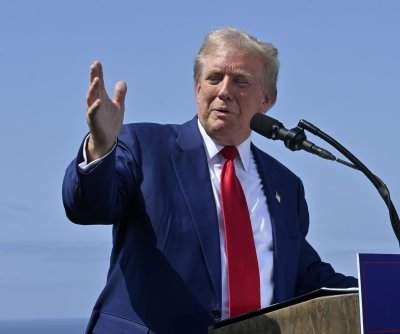
The recent apparent assassination attempt on former US President Donald Trump has triggered an uncommon moment of bipartisan condemnation in American politics, with leaders from both major parties rejecting the use of violence to settle political differences. While the incident itself is a domestic US matter, its ripple effects extend into global markets, supply chains, and investment climates. For business consumers, shoppers, and procurement professionals in Nigeria and beyond, understanding how political instability in major economies influences consumer confidence, currency fluctuations, and tender outcomes is essential. This report examines the broader commercial implications of rising political tensions in the United States, connecting domestic unrest to international trade behaviour, e-commerce trends, and risk-averse decision-making in both public and private sectors.
Financial markets typically respond swiftly to perceived threats against political figures, particularly in nations with outsized global economic influence like the United States. In the immediate aftermath of the Trump incident, analysts noted heightened volatility in currency pairs involving the US dollar, as traders priced in potential disruption to electoral processes and policy continuity. For Nigerian importers and exporters reliant on dollar-denominated transactions, such fluctuations can directly affect landed costs and profit margins, especially in sectors like electronics, pharmaceuticals, and agricultural inputs where timing and pricing sensitivity are critical.
Beyond forex, equity markets often react to political uncertainty by shifting toward defensive assets. History shows that periods of elevated political risk in the US correlate with increased demand for gold, government bonds, and stable dividend-paying stocks — behaviours that can indirectly affect capital availability for emerging market ventures. Nigerian businesses seeking foreign direct investment or portfolio inflows may observe more cautious investor sentiment during such episodes, particularly if violence is perceived as symptomatic of deeper institutional strain rather than isolated incidents.
Importantly, the bipartisan nature of the condemnations may serve as a stabilising factor. When political leaders across the aisle publicly reject violence, it can signal resilience in democratic institutions, which in turn supports long-term market confidence. For global procurement teams drafting tenders or evaluating supplier risk, this distinction between isolated civil unrest and systemic breakdown is crucial when scoring geopolitical vulnerability in vendor assessments.
Major political events — especially those involving violence or threats to public figures — often trigger short-term shifts in online consumer behaviour. In the United States, e-commerce platforms have historically observed spikes in searches for emergency supplies, personal safety equipment, and news-related content following incidents of national significance. While these trends are most pronounced domestically, they can influence global marketplace algorithms and advertising trends, particularly on platforms with heavy US user bases.
For Nigerian entrepreneurs selling via international e-commerce channels (such as Amazon, eBay, or Shopify stores targeting Western consumers), awareness of these behavioural patterns can inform inventory planning and marketing timing. For example, a temporary surge in demand for home security products or news subscriptions may present short-term opportunities, though ethical considerations around profiting from crisis should guide decision-making.
Conversely, prolonged periods of political tension can suppress discretionary spending as consumers prioritise essentials amid uncertainty. This dynamic is relevant for Nigerian exporters of non-essential goods — such as fashion, accessories, or premium food items — selling into US or European markets. Monitoring sentiment indicators alongside traditional economic data can help anticipate demand softening and adjust forecasting models accordingly.
Public and private sector procurement processes increasingly incorporate geopolitical risk as a formal evaluation criterion, particularly for long-term contracts involving critical infrastructure, technology systems, or supply chain resilience. The recent events in the United States underscore how even established democracies can experience moments of acute political stress, prompting buyers to reassess assumptions about stability in traditionally low-risk jurisdictions.
For Nigerian firms bidding on international tenders — whether for ICT services, energy projects, or agricultural development — demonstrating awareness of political risk mitigation strategies can enhance credibility. This includes having contingency plans for delays due to civil unrest, diversifying logistics routes, or building force majeure clauses that account for electoral volatility or protest-related disruptions.
Similarly, Nigerian government agencies and state-owned enterprises procuring goods or services from US-based vendors may wish to revisit risk frameworks. While the condemnations from US leaders suggest institutional resistance to normalising violence, the recurrence of such attempts within a short timeframe warrants ongoing vigilance. Procurement officers should consider scenario planning that includes potential delays in licensing, export approvals, or technical support due to domestic distractions or security reallocations within vendor organisations.
The condemnation of political violence by figures across the American spectrum offers a reminder that social cohesion, however strained, remains a foundational element of economic predictability. For business leaders, this reinforces the value of monitoring not just traditional indicators like GDP or inflation, but also social trust metrics, media polarisation, and the tone of political discourse — all of which can serve as leading indicators of instability.
In Nigeria, where businesses routinely navigate complex local dynamics including ethnic tensions, resource competition, and electoral cycles, the US example provides a comparative lens. It highlights how even in systems with strong institutions, perceived legitimacy and mutual restraint among political actors play a vital role in maintaining conditions conducive to commerce.
Ultimately, while no single event should dictate long-term strategy, recurring patterns of unrest — regardless of geography — necessitate adaptive approaches. Nigerian exporters, importers, and service providers benefit from cultivating operational flexibility, maintaining scenario-based forecasting, and engaging in continuous environmental scanning. In an interconnected world, political developments in Washington, Lagos, or Brussels can all influence the ease with which goods move, contracts are signed, and trust is built across borders.
The apparent assassination attempt on Donald Trump has prompted a rare moment of unity among American political leaders in rejecting violence as a tool of political discourse. While the incident is deeply troubling in its own right, the widespread condemnation offers a degree of reassurance regarding the resilience of democratic norms in the United States — a factor that ultimately supports global economic stability. For Nigerian businesses, shoppers, and procurement professionals, the event serves as a timely reminder that political developments in major economies never occur in a vacuum. They influence currency markets, shape consumer sentiment, affect tender evaluations, and test the robustness of international supply chains. By staying informed, maintaining scenario-based planning, and prioritising resilience over optimism, market participants can better navigate the uncertainties inherent in an interconnected world. In commerce, as in politics, the ability to respond thoughtfully to disruption often matters more than the ability to predict it.
Originally reported by upi.com. Adapted for our readers with AI assistance.
Keep reading
Business
An analysis of the structural and institutional factors that entrench governance failures in Nigeria, from patronage politics and weakened oversight to the urgent need…
Politics
Yari says the APC will emphasise Tinubu’s achievements in 2027. This analysis explains how voters can examine outcomes, baselines and campaign evidence.
Lifestyle
Obi says his wife funds her own purchases. This analysis separates his explanation, unverified handbag prices and the evidence needed to assess public spending.
TAMFIS NIG LTD
Electrical and instrumentation engineering, bid preparation and consulting, IT and software.

