Politics
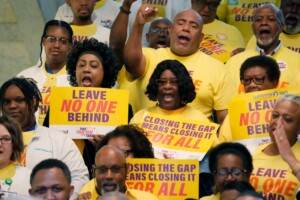
The Politics Holding Back Medicaid Expansion in Some Southern States
Politics tamfitronics For Roderick Givensa radiation oncologist, the expansion of Medicaid is...
TAMFIS NIG LTDRC 8067447CAC ACTIVEFinima, Bonny Island, Rivers State


The Garma Festival, held annually in Arnhem Land, is more than just a celebration of Yolŋu culture—it is a pivotal event for Indigenous Australians to unite, discuss, and strategize on issues affecting their communities. This year’s festival, the first following the defeat of the Voice referendum, has drawn significant political attention. However, the absence of key political figures, notably Opposition Leader Peter Dutton, has sparked controversy and disappointment. Djawa Yunupingu, chair of the Yothu Yindi Foundation, which hosts Garma, publicly lamented Dutton’s failure to respond to an invitation, underscoring a broader narrative about political engagement with Indigenous voices and aspirations.
The Garma Festival is the largest gathering of Aboriginal and Torres Strait Islander peoples, held annually in the heart of Arnhem Land. It serves as a vibrant showcase of Yolŋu culture, including traditional art, music, dance, and ceremony. Beyond cultural celebration, Garma is a critical forum for political dialogue, where Indigenous leaders, activists, and policymakers convene to discuss agendas and strategies for Indigenous advancement.
This year’s Garma holds particular significance as it is the first festival following the defeat of the Voice referendum in late 2023. The event offers an opportunity for reflection, healing, and renewed commitment to Indigenous self-determination and rights. The festival’s role in fostering unity and political engagement is unmatched, drawing thousands of attendees from across Australia.
The festival is organized by the Yothu Yindi Foundation, led by Djawa Yunupingu of the Gumatj clan, who has been instrumental in promoting Garma as a space for both cultural preservation and political advocacy. With over 3,000 participants expected, the event symbolizes resilience and hope for many Indigenous communities.
Peter Dutton, leader of the Opposition and head of the Coalition, has historically maintained a level of bipartisanship in Indigenous affairs, attending Garma in previous years. However, in 2024, his absence was notable and publicly criticized by Djawa Yunupingu. Despite a formal invitation sent weeks prior, Dutton did not respond, nor did he attend the festival.
Dutton’s office indicated no plans for attendance, citing his recent international travel to Israel as a factor. His absence is particularly striking given the festival’s importance as a national platform for Indigenous voices and political engagement. It also contrasts with the presence of Prime Minister Anthony Albanese and Indigenous Affairs Minister Malarndirri McCarthy, who are both attending.
Djawa Yunupingu expressed his disappointment, stating that Dutton’s lack of response suggests a broader disconnect with Yolŋu people. This sentiment reflects concerns about the opposition’s commitment to meaningful Indigenous engagement, especially in the aftermath of the divisive Voice referendum campaign.
The political tension surrounding Dutton’s absence is rooted in past criticisms he has leveled against the Garma Festival. In 2023, he described the event as a “love-in” for Voice advocates, pointing to the Yothu Yindi Foundation’s strong support for the referendum. His comments underscored a growing divide between Coalition leadership and many Indigenous activists.
Despite this, previous opposition figures such as Julian Leeser, former Indigenous Affairs spokesperson, attended Garma in 2023, maintaining a presence in Indigenous political discourse. Dutton’s decision to disengage marks a departure from this approach and has been seen as a political distancing from Indigenous-led initiatives.
Djawa Yunupingu dismissed Dutton’s claimed connection to Arnhem Land and its peoples, emphasizing that political gestures must be genuine and rooted in respect. This critique highlights the complexities of Indigenous political relationships and the importance of authentic engagement.
Not all Indigenous political figures have embraced Garma uniformly. Jacinta Nampijinpa Price, Shadow Minister for Indigenous Australians and a Warlpiri woman, has also been critical of the festival, echoing some of Dutton’s reservations. Despite being in nearby Maningrida, Price chose not to attend, reflecting internal debates within Indigenous politics about representation and strategy.
These divergent views demonstrate the multifaceted nature of Indigenous political discourse. While Garma is widely celebrated as a unifying event, it also reveals varying opinions on how best to advance Indigenous rights and interests in contemporary Australia.
Djawa Yunupingu’s stance, however, remains one of inclusivity and hope. He advocates for continued dialogue and political engagement, emphasizing that despite setbacks such as the Voice referendum defeat, the Yolŋu and broader Indigenous communities remain committed to shaping their futures.
The defeat of the Voice referendum in October 2023 was a significant blow to many Indigenous advocates. However, Garma 2024 serves as a platform for regrouping and strategizing future pathways. Djawa Yunupingu articulated a forward-looking vision, encouraging attendees to focus on progress rather than dwelling on past disappointments.
The festival’s growth, with record attendance expected, symbolizes Indigenous resilience and determination. It provides a space to explore alternative approaches to constitutional recognition, policy reform, and cultural preservation, reflecting a broad spectrum of ideas and aspirations.
Prime Minister Anthony Albanese’s keynote address is anticipated to signal the government’s post-referendum Indigenous policy direction. While his previous speeches strongly supported the Voice, this year’s focus may shift toward education and other critical areas, highlighting the evolving priorities within Indigenous affairs.
Ahead of Garma, a new Productivity Commission report revealed that only five out of nineteen targets in the Closing the Gap framework are on track. This sobering assessment highlights ongoing systemic challenges in health, education, and economic outcomes for Indigenous Australians.
Malarndirri McCarthy, the newly appointed Indigenous Australians Minister, emphasized the need to transcend political partisanship to achieve meaningful progress. She advocated for cooperation across party lines to prevent Indigenous issues from becoming political footballs.
Conversely, Jacinta Nampijinpa Price called for a generational shift in leadership and approach, signaling that current strategies may be insufficient. This underscores the complex political environment surrounding Indigenous policy and the urgent need for innovative solutions.
Political participation and representation remain crucial themes at Garma. The festival is not only a cultural event but a critical space for Indigenous political empowerment. The absence of key figures like Peter Dutton raises questions about the commitment of mainstream political parties to Indigenous voices.
Djawa Yunupingu’s public remarks serve as a reminder that Indigenous leaders expect genuine engagement and respect from political representatives. The Yolŋu people’s connection to their land and culture demands that politicians acknowledge and work collaboratively with Indigenous communities.
Looking ahead, fostering bipartisan support and meaningful dialogue will be essential for advancing Indigenous rights and addressing longstanding inequalities. Garma continues to be a beacon for such efforts, promoting unity amid political diversity.
The 2024 Garma Festival stands at a crossroads of Indigenous cultural celebration and political advocacy, embodying both the challenges and hopes of First Nations Australians. The absence of Opposition Leader Peter Dutton, despite a formal invitation, has highlighted ongoing issues of political engagement and representation. Djawa Yunupingu’s candid reflections underscore the Yolŋu community’s desire for genuine respect and partnership from all political leaders. As Garma grows in significance, it remains a crucial forum for Indigenous voices to shape Australia’s future, advocating for unity, resilience, and meaningful change beyond past disappointments.
Originally reported by sbs.com.au. Adapted for our readers.
Keep reading
Politics
Politics tamfitronics For Roderick Givensa radiation oncologist, the expansion of Medicaid is...
Politics
Politics tamfitronics Years in the past, as soon as I became as soon as a freelance journal...
TAMFIS NIG LTD
Electrical and instrumentation engineering, bid preparation and consulting, IT and software.