
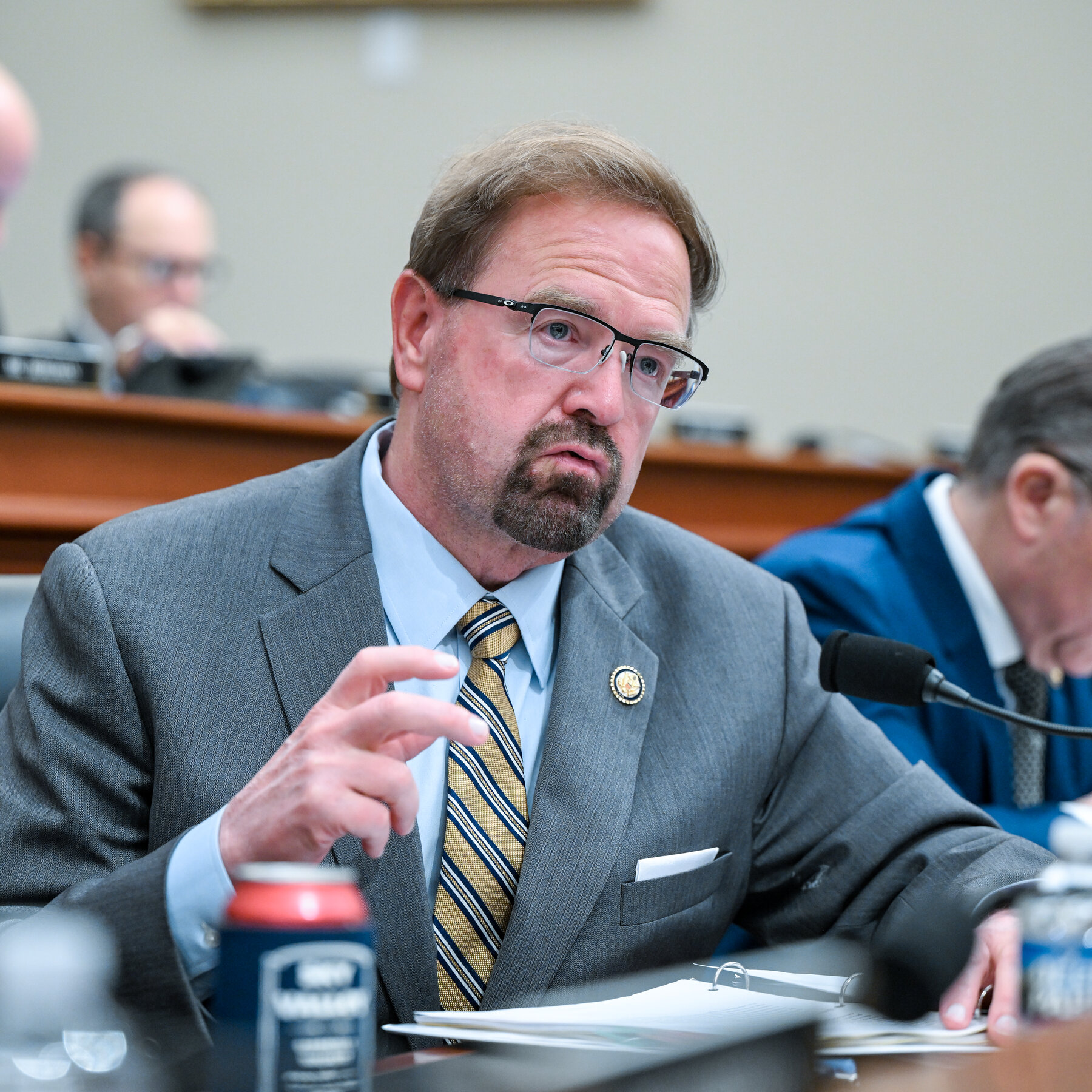
In a significant political development, Representative Chuck Edwards of North Carolina has announced that he will not seek re-election following a formal recommendation by the House Ethics Committee to censure him. The committee's recommendation stems from findings of persistent unprofessional and inappropriate behavior directed at two female staff members. Edwards’ decision to step down underscores the increasing scrutiny of lawmakers’ conduct and the consequences such investigations can have on political careers, reflecting broader societal demands for accountability and respect in the workplace.
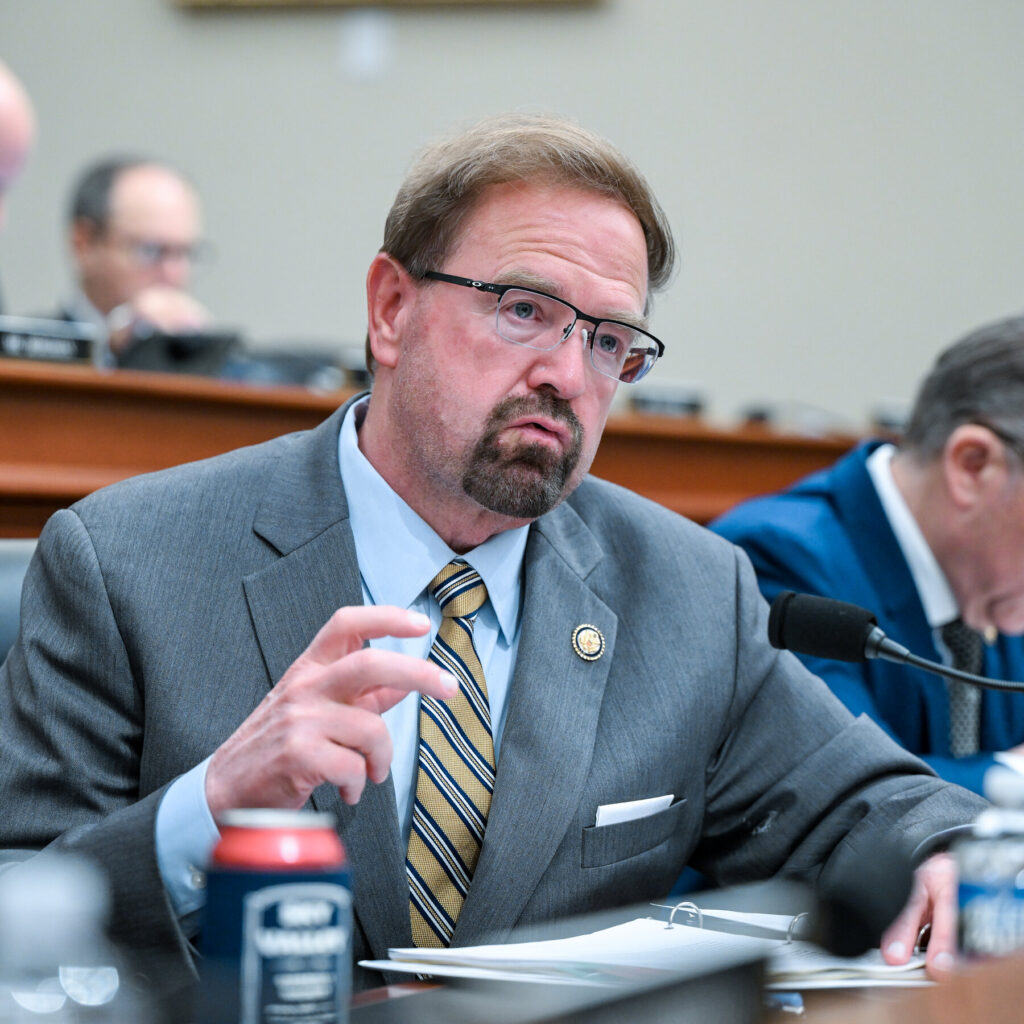
Background of the Ethics Investigation
The House Ethics Committee launched an investigation into Representative Chuck Edwards after allegations surfaced regarding his treatment of two female staff members. The inquiry revealed a pattern of behavior described as persistent, unprofessional, and inappropriate, raising serious concerns about the workplace environment within his congressional office.
The committee’s findings culminated in a recommendation for formal censure, a disciplinary action that publicly reprimands a member of Congress and ranks among the most severe sanctions short of expulsion. This recommendation indicates that Edwards’ conduct was not an isolated incident but a repeated issue, highlighting the committee’s commitment to addressing misconduct and ensuring the protection of staff members from harassment or disrespectful behavior.
Such investigations are part of a broader effort within Congress to uphold standards of professionalism and to create a safe and respectful workplace for all employees. The committee’s decisive stance reflects the evolving expectations placed on elected officials to maintain ethical conduct both publicly and privately.
Edwards’ Response and Decision to Withdraw
Following the committee’s recommendation, Rep. Edwards announced his decision to withdraw from his re-election campaign. While some political analysts found the decision unexpected, it underscores the gravity of the ethics findings and their potential to undermine his political standing.
By stepping down, Edwards avoids a potentially divisive and damaging election cycle that would likely have been overshadowed by the ethics controversy. His withdrawal also reduces pressure on his political party, which would have faced the challenge of supporting a candidate under formal censure and negative public scrutiny.
Although Edwards has not publicly detailed his reasons beyond acknowledging the ethics report, his decision suggests an acceptance of the consequences resulting from the investigation. This move may also be seen as an attempt to preserve party unity and allow for the emergence of new leadership unburdened by ethical concerns.
Implications for Political Accountability
The Edwards case exemplifies a broader shift toward heightened accountability for elected officials, particularly regarding workplace conduct. In recent years, congressional ethics investigations have gained prominence, reflecting societal demands for professionalism, respect, and safe working environments within political offices.
This development sends a clear message that persistent misconduct—especially involving harassment or inappropriate behavior toward staff—will not be tolerated. It also highlights the critical role of ethics committees in enforcing standards, protecting employees, and encouraging lawmakers to maintain conduct befitting their public roles.
Such oversight mechanisms contribute to fostering a culture of responsibility and ethical behavior in government institutions. They serve not only to address individual cases but also to set precedents that discourage future misconduct and promote transparency. This evolving landscape reflects broader societal movements advocating for workplace dignity and accountability across all sectors.
Impact on North Carolina’s Political Landscape
Edwards’ withdrawal creates an open seat in his district, significantly altering the political dynamics in North Carolina. Without an incumbent running, the upcoming election is expected to become more competitive, attracting a wider field of candidates eager to represent the district.
This scenario presents an opportunity for new political voices to emerge, particularly those who prioritize ethical leadership and workplace respect. Both major parties are likely to focus on nominating candidates who can restore voter confidence and avoid controversies related to personal conduct.
The situation underscores how ethics issues can influence electoral strategies and candidate selection processes. It also serves as a reminder that voters increasingly consider personal integrity and professional behavior as key factors in their electoral decisions, signaling a shift in political culture toward valuing character alongside policy positions.
The Broader Context of Ethics in Congress
Congress has faced ongoing challenges related to ethics and conduct, with numerous members scrutinized in recent years for various forms of misconduct. The Edwards case adds to this pattern, reinforcing the necessity for robust oversight and transparent disciplinary processes.
Ethics committees serve as essential bodies tasked with investigating allegations and recommending appropriate actions. Their work is vital to upholding the integrity of legislative institutions and ensuring that elected officials adhere to standards that reflect their public responsibilities.
The committee’s role in this case exemplifies the mechanisms in place to address misconduct and maintain public trust in government. By publicly addressing such issues, Congress demonstrates its commitment to ethical governance and the protection of those who work within its institutions.
Moreover, these processes contribute to educating lawmakers and the public about acceptable conduct and the consequences of violations, fostering a political environment where respect and accountability are paramount.
What this means
The withdrawal of Rep. Chuck Edwards from his re-election bid following the House Ethics Committee’s recommendation to censure him underscores the growing importance of accountability and professional conduct in political office. As lawmakers face increased scrutiny over their behavior, this case serves as a clear reminder that maintaining respectful and ethical workplace environments is essential not only for public trust but also for sustaining political careers. Looking ahead, North Carolina’s political landscape is poised for change, with new candidates likely to emerge who emphasize ethical leadership and respect. The Edwards case highlights the indispensable role of ethics oversight in preserving the integrity and credibility of legislative bodies, reinforcing the principle that elected officials must be held to the highest standards of conduct.
Source: Rep. Chuck Edwards Drops Re-election Bid in North Carolina After Ethics Rebuke via www.nytimes.com.
This article was curated with AI assistance and reviewed according to Tamfis editorial settings.