News
RUSSIA versus NATO and BRICS vs. NATO Military SWOT
Recall that Poland’s Minister Sikorski’s core claim is partially supported by the numbers, but the framing “quite quickly” and “without the U.S.” does not…
TAMFIS NIG LTDRC 8067447CAC ACTIVEFinima, Bonny Island, Rivers State

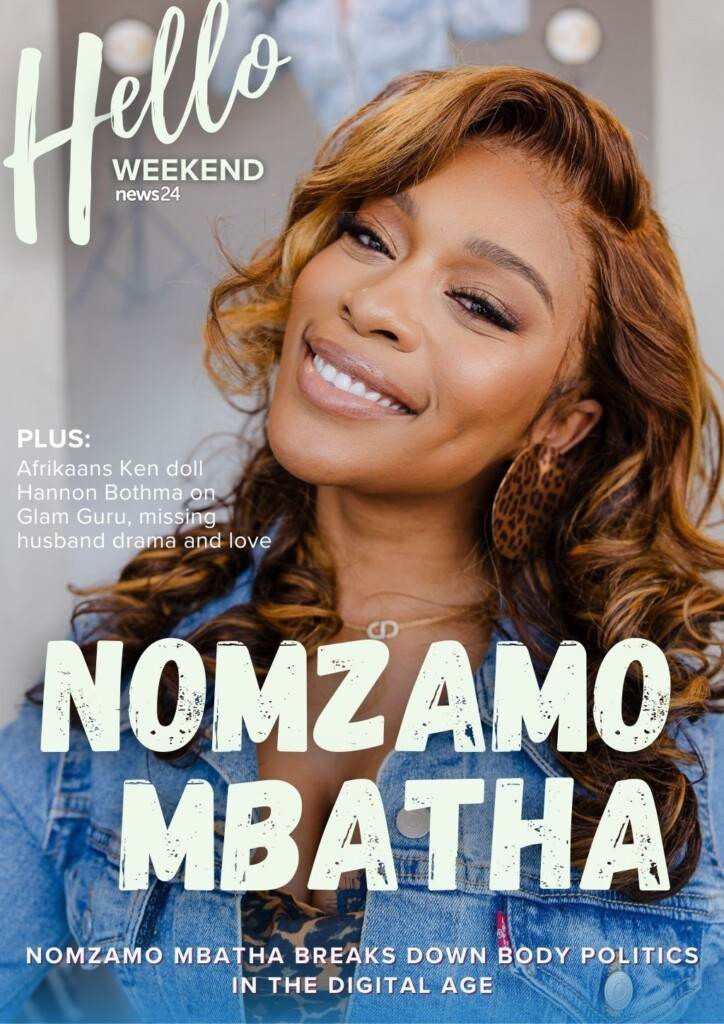
As the digital age reshapes how we perceive ourselves and others, body politics has become an increasingly relevant and nuanced conversation. South African actress and activist Nomzamo Mbatha, known for her impactful roles and humanitarian efforts, recently opened up about the pressures and politics surrounding body image in modern society. In this exclusive HELLO WEEKEND feature by News24, Mbatha dissects the intersection of social media, cultural standards, and personal empowerment. Her reflections reveal not only the challenges faced by young people today but also the pathways toward embracing diversity and self-love in a hyper-connected world.
The rise of digital platforms has transformed the way individuals engage with body image, introducing both opportunities and challenges. Nomzamo Mbatha explains that while social media provides a stage for self-expression and community building, it also perpetuates unrealistic beauty standards that can be harmful, especially to young people. The constant exposure to curated images often leads to comparison and self-criticism.
Mbatha highlights how digital filters and photo editing apps contribute to distorted perceptions of what is considered 'ideal.' This digital manipulation blurs the line between reality and fantasy, making it difficult for users to appreciate natural and diverse body forms. She stresses the importance of digital literacy and critical engagement with online content to counteract these effects.
Moreover, Mbatha points out that the digital age has accelerated the pace of body politic debates, with conversations about inclusivity and representation becoming more visible. Social media campaigns and hashtags have empowered marginalized groups to challenge conventional norms, yet the backlash and trolling remain significant obstacles.
Nomzamo Mbatha’s journey with body politics is deeply personal and reflective of broader societal shifts. She shares that growing up in South Africa exposed her to diverse cultural expectations around beauty, which often conflicted with Western ideals proliferated online. Navigating these mixed messages shaped her understanding of self-worth and identity.
Mbatha candidly discusses moments of vulnerability when societal pressures made her question her appearance and value. However, her experiences in the entertainment industry and philanthropic work reinforced her commitment to authenticity and self-acceptance. She emphasizes the importance of embracing one’s unique features as a form of resistance against homogenized beauty standards.
Her role as a public figure has given her a platform to advocate for body positivity and mental health awareness. Mbatha encourages young people to reject harmful comparisons and instead celebrate their bodies as vessels of strength and identity, fostering resilience in the face of societal scrutiny.
Social media acts as a double-edged sword in the discourse around body politics. On one hand, it offers unprecedented access to diverse narratives and role models who challenge traditional beauty stereotypes. Mbatha acknowledges the empowering potential of platforms where individuals can share their stories and inspire change.
On the other hand, the relentless cycle of image-sharing and validation-seeking can exacerbate anxiety and body dissatisfaction. Mbatha warns that the 'highlight reel' nature of social media often masks the realities behind the scenes, leading to distorted self-perceptions and emotional distress among users.
She advocates for mindful social media consumption and the cultivation of supportive online communities. Mbatha calls on influencers, brands, and content creators to promote transparency and authenticity, helping to create a healthier digital environment that uplifts diverse body types and experiences.
South Africa’s rich cultural tapestry adds layers of complexity to body politics, as traditional beliefs and modern influences intersect. Mbatha observes that beauty ideals vary widely across communities, often reflecting historical and social realities. These cultural dimensions shape how individuals view and value their bodies.
Mbatha notes that while some African cultures celebrate fuller body types as a symbol of health and prosperity, global media’s focus on slenderness has introduced conflicting standards. This tension can create identity conflicts, especially among youth trying to reconcile heritage with contemporary trends.
Through her advocacy, Mbatha promotes cultural pride and the celebration of African beauty in all its forms. She encourages embracing indigenous aesthetics and narratives as a way to counterbalance Western-centric ideals, fostering a more inclusive and representative conversation about body image.
Media and entertainment industries wield significant influence over public perceptions of beauty and body politics. Mbatha, an accomplished actress, understands firsthand how casting choices and storylines can reinforce or challenge stereotypes. She stresses the need for diverse representation on screen to reflect the realities of varied body types and identities.
Mbatha advocates for content that goes beyond superficial portrayals and delves into the complexities of self-esteem and body acceptance. She believes that authentic storytelling can empower audiences and dismantle harmful norms perpetuated by mainstream media.
Furthermore, Mbatha calls on producers and directors to prioritize inclusivity, ensuring that people of all shapes, sizes, and backgrounds are visible and valued. This shift not only benefits audiences but also fosters a healthier industry culture that celebrates diversity.
The interplay between body politics and mental health is a critical concern highlighted by Mbatha. She explains that negative body image often correlates with anxiety, depression, and other mental health challenges. Addressing body politics, therefore, requires a holistic approach that includes psychological well-being.
Mbatha shares that promoting self-compassion and resilience is essential in helping individuals navigate societal pressures. She supports initiatives that provide mental health resources and encourage open conversations about body image struggles without stigma.
By integrating mental health awareness into body positivity movements, Mbatha believes society can create a more supportive environment. This approach acknowledges the emotional toll of body politics and prioritizes care and healing alongside activism.
Looking ahead, Nomzamo Mbatha envisions a future where body politics embraces inclusivity, respect, and empowerment for all. She hopes to see a world where diversity in appearance is normalized and celebrated rather than judged or marginalized.
Mbatha emphasizes the role of education in shaping this future, advocating for curricula that promote body positivity and media literacy from a young age. She believes that equipping the next generation with critical thinking skills will enable them to challenge harmful narratives and build self-confidence.
As a global ambassador for environmental and social causes, Mbatha integrates body politics into her broader vision of holistic well-being and social justice. She encourages collective action to dismantle oppressive beauty standards and foster communities where everyone can thrive authentically.
Drawing from Mbatha’s insights, individuals can take practical steps to navigate body politics healthily. First, cultivating self-awareness about the impact of digital content on one’s self-esteem is crucial. Recognizing triggers and limiting exposure to harmful media can safeguard mental health.
Engaging with positive role models and communities that celebrate diversity fosters a sense of belonging and validation. Mbatha recommends following influencers and organizations that promote authentic and inclusive representations of beauty.
Finally, practicing self-care and seeking support when needed are vital. Whether through therapy, peer support, or creative expression, these strategies empower individuals to reclaim their narratives and resist societal pressures.
Nomzamo Mbatha’s thoughtful exploration of body politics in the digital age offers a vital perspective on the intersection of identity, culture, and technology. Her advocacy underscores the importance of embracing diversity, promoting mental health, and challenging entrenched beauty norms. As society continues to grapple with the influence of digital media, Mbatha’s vision and practical guidance provide a roadmap toward a more inclusive and compassionate understanding of body image. Through education, representation, and authentic dialogue, the future holds promise for empowering individuals to celebrate their bodies and stories without fear or judgment.
Originally reported by news24.com. Adapted for our readers.
Keep reading
News
Recall that Poland’s Minister Sikorski’s core claim is partially supported by the numbers, but the framing “quite quickly” and “without the U.S.” does not…
Politics
In August 2025, Zespri, the world’s largest marketer of kiwifruit, announced that the European Commission had approved what it described as the first health…
News
By Engr. Tamunofiniarisa BrownReading Time: 6 Minutes The conflict between Russia and Ukraine is often framed in the media as a simple battle between…
TAMFIS NIG LTD
Electrical and instrumentation engineering, bid preparation and consulting, IT and software.