News
RUSSIA versus NATO and BRICS vs. NATO Military SWOT
Recall that Poland’s Minister Sikorski’s core claim is partially supported by the numbers, but the framing “quite quickly” and “without the U.S.” does not…
TAMFIS NIG LTDRC 8067447CAC ACTIVEFinima, Bonny Island, Rivers State

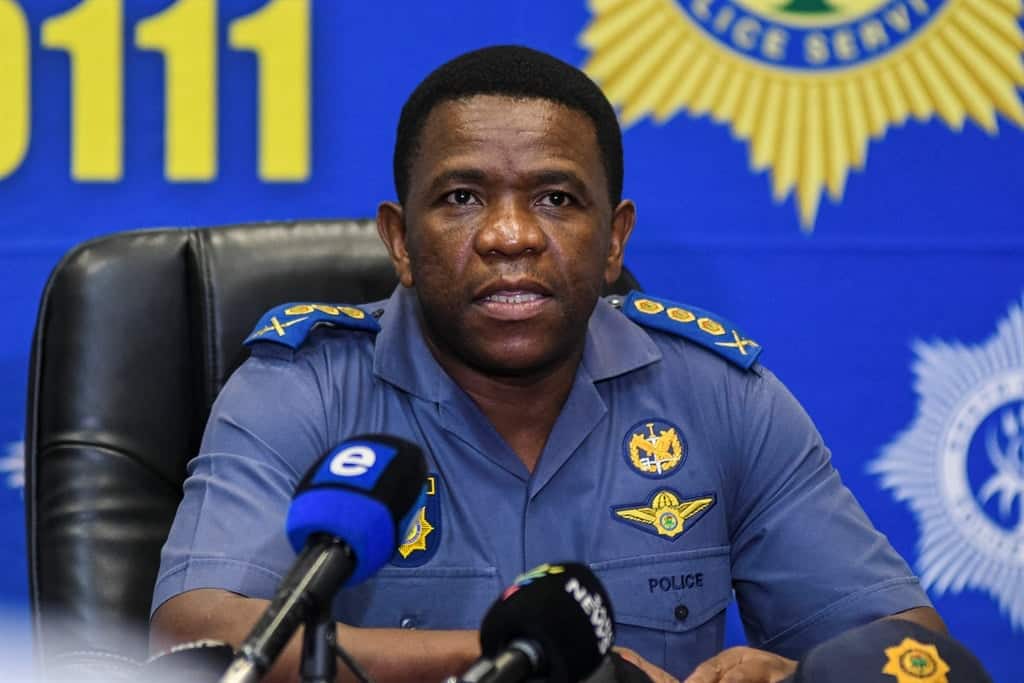
In a significant policy shift, the KwaZulu-Natal police commissioner, Lieutenant-General Nhlanhla Mkhwanazi, has announced that police officers are no longer permitted to serve concurrently as police officers and active politicians. This directive aims to uphold the integrity and impartiality of the police force, ensuring that officers remain focused on their core duty of serving the public without political bias. The decision is part of broader efforts to strengthen public trust in law enforcement and maintain a clear separation between policing and political engagement.
An apolitical police force is a cornerstone of democratic governance and the rule of law. When police officers remain neutral and uninvolved in political activities, they can execute their duties without undue influence or bias, fostering public confidence in law enforcement institutions.
Engagement in political activities by police officers can undermine the perception of fairness and impartiality, leading to mistrust among communities and potential abuses of power. Maintaining a clear boundary between policing and politics is essential to prevent conflicts of interest and preserve the legitimacy of the police.
The KwaZulu-Natal police leadership's directive underscores the commitment to these principles, reinforcing that officers' primary allegiance must be to the law and the public, not political parties or agendas.
The decision by Lieutenant-General Nhlanhla Mkhwanazi follows ongoing concerns about the politicization of the police in KwaZulu-Natal and other parts of South Africa. Historically, the overlap between political roles and police duties has raised issues regarding accountability and professionalism.
This directive is part of broader reforms aimed at enhancing transparency, professionalism, and community trust in the South African Police Service (SAPS). It aligns with constitutional mandates that require the police to serve all citizens equally, without political partiality.
By formally prohibiting dual roles, the police leadership seeks to eliminate ambiguities and ensure that officers understand the expectations regarding political neutrality.
Police officers currently involved in political activities or holding political office face a clear choice: to continue their political engagements, they must resign from the police service, or vice versa. This requirement aims to prevent conflicts of interest that could compromise professional responsibilities.
The directive also serves as a warning against campaigning or openly supporting political parties while on duty. Such conduct could lead to disciplinary actions, including suspension or dismissal, depending on the severity of the breach.
Officers are reminded that their oath of service emphasizes loyalty to the constitution and impartial enforcement of laws, which must not be compromised by political affiliations.
Lieutenant-General Mkhwanazi has emphasized the importance of this directive during press briefings, reiterating that the police must be 'your complete time' and fully committed to their apolitical role. His firm stance reflects a broader leadership effort to restore discipline and ethical standards within the force.
Other senior officials have echoed these sentiments, highlighting that political neutrality is not only a legal requirement but a moral imperative for police officers entrusted with public safety.
The leadership's message also aims to discourage political interference in policing matters, which can hinder effective law enforcement and community relations.
Public trust in the police is crucial for effective crime prevention and community cooperation. When officers are perceived as politically biased, it can erode confidence and lead to reluctance in reporting crimes or assisting investigations.
By enforcing a strict separation between policing and politics, the KwaZulu-Natal police hope to rebuild and strengthen community relations. An impartial police force is better positioned to serve diverse communities fairly and without prejudice.
This directive also sends a positive signal to the public that the police service is committed to upholding democratic values and human rights.
South Africa’s Constitution and related legislation provide clear guidelines regarding the roles and conduct of police officers. The South African Police Service Act and the Public Service Regulations emphasize the need for neutrality and prohibit political activities that may conflict with official duties.
This directive from the KwaZulu-Natal police leadership aligns with these legal provisions, reinforcing compliance and clarifying expectations for officers.
Legal experts note that such measures are essential to prevent politicization, which can lead to abuses of power and undermine democratic institutions.
Implementing this directive poses challenges, including monitoring compliance and addressing potential resistance from officers with political ambitions. Effective enforcement will require consistent oversight and clear disciplinary procedures.
The police leadership must also balance the rights of officers as citizens with their professional obligations, ensuring that personal political beliefs do not interfere with their duties.
Ongoing training and awareness programs will be critical to embed the principles of political neutrality and ethical conduct within the police culture.
The prohibition of dual roles for police officers is a step towards strengthening democratic governance and enhancing the independence of law enforcement agencies across South Africa.
It contributes to the broader national agenda of combating corruption, ensuring accountability, and fostering a culture of professionalism within public institutions.
Ultimately, this policy supports the vision of a police service that is trusted, respected, and capable of protecting all citizens without fear or favor.
The decision by the KwaZulu-Natal police leadership to bar officers from simultaneously serving as politicians marks a critical step in reinforcing the integrity, neutrality, and professionalism of the police force. By ensuring that officers dedicate their full attention to law enforcement without political interference, the police service can better serve the public and uphold democratic principles. While challenges remain in enforcing this directive, it represents an important move towards strengthening public trust and safeguarding the rule of law in South Africa.
Originally reported by news24.com. Adapted for our readers.
Keep reading
News
Recall that Poland’s Minister Sikorski’s core claim is partially supported by the numbers, but the framing “quite quickly” and “without the U.S.” does not…
Politics
In August 2025, Zespri, the world’s largest marketer of kiwifruit, announced that the European Commission had approved what it described as the first health…
News
By Engr. Tamunofiniarisa BrownReading Time: 6 Minutes The conflict between Russia and Ukraine is often framed in the media as a simple battle between…
TAMFIS NIG LTD
Electrical and instrumentation engineering, bid preparation and consulting, IT and software.