
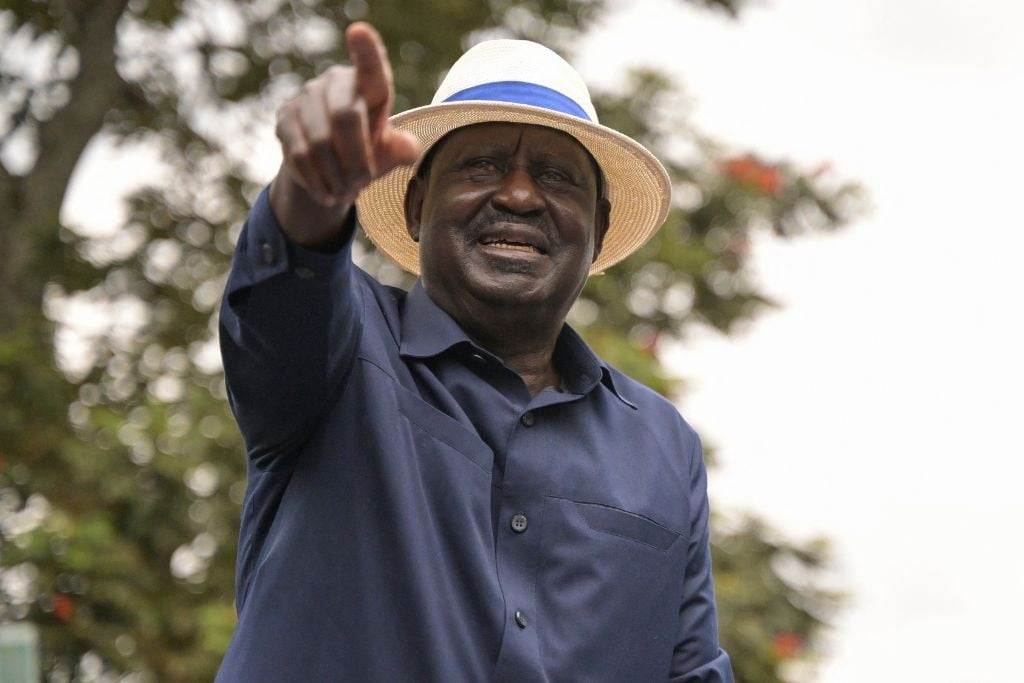
Raila Odinga, a towering figure in Kenyan politics and leader of the Orange Democratic Movement (ODM), is setting his sights beyond national borders. As the chairperson position of the African Union (AU) Commission becomes vacant in early 2025, Odinga is among four candidates competing for this coveted continental role. His campaign signals a strategic pivot away from Kenya’s often fractious local political scene toward a platform that could shape Africa’s future integration, economic transformation, and diplomatic cohesion. This article explores Odinga’s ambitions, the AU election process, the political dynamics at play, and what his potential leadership could mean for Africa.
Raila Odinga’s Political Journey: From Kenyan Opposition to Continental Aspirations
Raila Odinga has been a central figure in Kenya’s political landscape for decades, known for his persistent advocacy for democratic reforms and social justice. Leading the Orange Democratic Movement (ODM), a center-left political party, Odinga has contested multiple presidential elections, most recently in 2022 where he narrowly lost to William Ruto by approximately 200,000 votes. Despite this defeat, Odinga’s influence remains substantial, underscored by his ability to mobilize a significant voter base and shape national discourse.
Historically, Odinga’s political career has been marked by both controversy and resilience. The disputed 2017 elections and subsequent political violence tested his leadership, yet he managed to maintain a prominent role in Kenya’s opposition politics. However, with the African Union Commission chair position opening soon, Odinga is recalibrating his ambitions towards a broader, pan-African stage, signaling a departure from the intense local political battles that have defined much of his career.
This transition is not entirely unprecedented; in 2018, Odinga was appointed the inaugural AU High Representative for Infrastructure Development—a role created under then-AU Commission Chair Moussa Faki Mahamat. Although that position was later frozen, it provided Odinga with valuable continental exposure and experience, laying the groundwork for his current bid for the AU Commission chair.
The African Union Commission Chair Position: Significance and Election Process
The African Union Commission chairperson is one of the most influential leadership roles on the continent, responsible for steering the AU’s administrative functions, implementing policies, and coordinating efforts among member states to promote unity and development. The position becomes available every four years, with the current chair, Moussa Faki Mahamat, completing his two terms in February 2025.
Candidates for the chairpersonship undergo a rigorous vetting process by an AU Panel of Experts, which evaluates their credentials, vision, and ability to lead the continent’s complex agenda. This year, alongside Raila Odinga, the contenders include Djibouti Foreign Minister Mahmoud Ali Youssouf, former Mauritian Foreign Minister Anil Kumarsingh Gayan, and former Madagascan Foreign Minister Richard James Randriamandrato.
The election culminates in a secret ballot vote by the AU heads of state and government. Before this, candidates participate in public debates, such as the televised Mjadala Afrika, to present their plans and engage with the African public and political stakeholders. This transparent process ensures that the eventual chairperson has both the mandate and vision to address Africa’s diverse challenges.
Odinga’s Campaign Platform: Vision for Africa’s Integration and Development
Odinga’s campaign emphasizes a multifaceted agenda aimed at accelerating African integration and economic transformation. In his application to the AU Panel of Experts, he pledged to prioritize infrastructure development, intra-African trade enhancement, and improving the continent’s financial independence. These focus areas align with the AU’s Agenda 2063, which seeks to transform Africa into a prosperous and united continent.
Furthermore, Odinga has highlighted the importance of agricultural transformation, climate action, peace and security, youth empowerment, and gender equity as cornerstones of his vision. He argues that addressing these sectors will create a more inclusive and resilient Africa capable of competing globally while safeguarding its natural resources and cultural diversity.
Kenya’s Prime Cabinet Secretary, Musalia Mudavadi, has praised Odinga’s strategic and energetic campaign efforts across Africa and beyond. Mudavadi underscored Odinga’s commitment to championing not just Kenya’s interests but the collective aspirations of all African nations, positioning him as a unifying figure with a continental outlook.
Kenya’s Political Dynamics: National Support and Regional Implications
Odinga’s AU Commission chair bid enjoys significant backing from various quarters within Kenya, including from President William Ruto, who defeated Odinga in the 2022 presidential election. This rare show of unity across political divides underscores the national importance attached to Odinga’s continental ambitions.
Senior Kenyan officials have called on citizens to rally behind Odinga much like they do for Kenyan athletes on the global stage. Prime Cabinet Secretary Musalia Mudavadi framed Odinga’s candidacy as a national mission, emphasizing that his success would elevate Kenya’s stature and influence within Africa’s political landscape.
The shift in Odinga’s focus also has regional implications, as the AU chairpersonship is expected to rotate among Africa’s regions, with the eastern region—Odinga’s home—due to produce the next chair. Success in this role could enhance Kenya’s diplomatic leverage and deepen its role as a regional leader in East Africa and beyond.
Challenges and Competition: Navigating a Crowded Field
While Odinga’s profile and experience position him as a formidable candidate, the race for the AU Commission chair is highly competitive. His rivals, including seasoned diplomats from Djibouti, Mauritius, and Madagascar, bring their own strengths and regional support bases to the contest.
The AU Panel of Experts’ vetting process and the upcoming Mjadala Afrika debates will be critical platforms for Odinga to articulate his plans and distinguish himself. The debates provide a rare opportunity for candidates to engage directly with the African populace and member states, fostering transparency and accountability.
Moreover, the election outcome will depend heavily on diplomatic negotiations and alliances among member states. Odinga’s ability to build consensus and secure votes from the 55 AU member countries, each with distinct interests and priorities, will ultimately determine his success.
Implications of Odinga’s Potential Leadership for Africa
Should Raila Odinga secure the AU Commission chair, his leadership could mark a new chapter in Africa’s pursuit of integration and development. His emphasis on infrastructure and economic transformation aligns with the continent’s urgent need to close gaps in transport, energy, and trade connectivity.
Odinga’s background as a seasoned politician and advocate for democratic reforms may also influence the AU’s approach to governance, peacebuilding, and human rights. His leadership could inject fresh momentum into initiatives aimed at resolving conflicts and promoting political stability across Africa.
Additionally, his focus on youth empowerment and gender equality addresses critical demographic and social challenges. Africa’s youthful population and gender dynamics require innovative policies to harness human capital and ensure inclusive growth, areas where Odinga has pledged to make a difference.
Looking Ahead: The Road to the 2025 AU Commission Chair Election
The coming months will be pivotal as Raila Odinga and his competitors intensify their campaigns. Public debates, diplomatic engagements, and lobbying efforts will shape the narrative and influence member states’ voting decisions.
Odinga’s decision to reduce his involvement in Kenyan domestic politics reflects his commitment to the AU campaign. This transitional phase signals a strategic focus on continental leadership, potentially redefining his political legacy beyond Kenya’s borders.
As the February 2025 secret ballot approaches, stakeholders across Africa will closely watch how Odinga’s campaign unfolds and whether he can galvanize sufficient support to lead the AU Commission during a critical period in the continent’s history.
Conclusion
Raila Odinga’s bid for the African Union Commission chairpersonship represents a bold pivot from local Kenyan politics to continental leadership. His extensive political experience, combined with a clear vision for Africa’s integration and development, positions him as a strong contender in a competitive race. Beyond personal ambition, Odinga’s campaign carries national pride and regional significance, signaling Kenya’s intent to play a leading role in shaping Africa’s future. As the AU prepares for the 2025 election, the continent watches closely to see if Odinga can transform his political journey into a legacy of continental unity and progress.