
Politics
How Minnesota Figures Into the Presidential Politics of Insulin Prices
Politics tamfitronics Minnesota Gov. Tim Walz attends a rally in Asheville, North Carolina, on Sept. 17. Minnesota led the way on in...
TAMFIS NIG LTDRC 8067447CAC ACTIVEFinima, Bonny Island, Rivers State

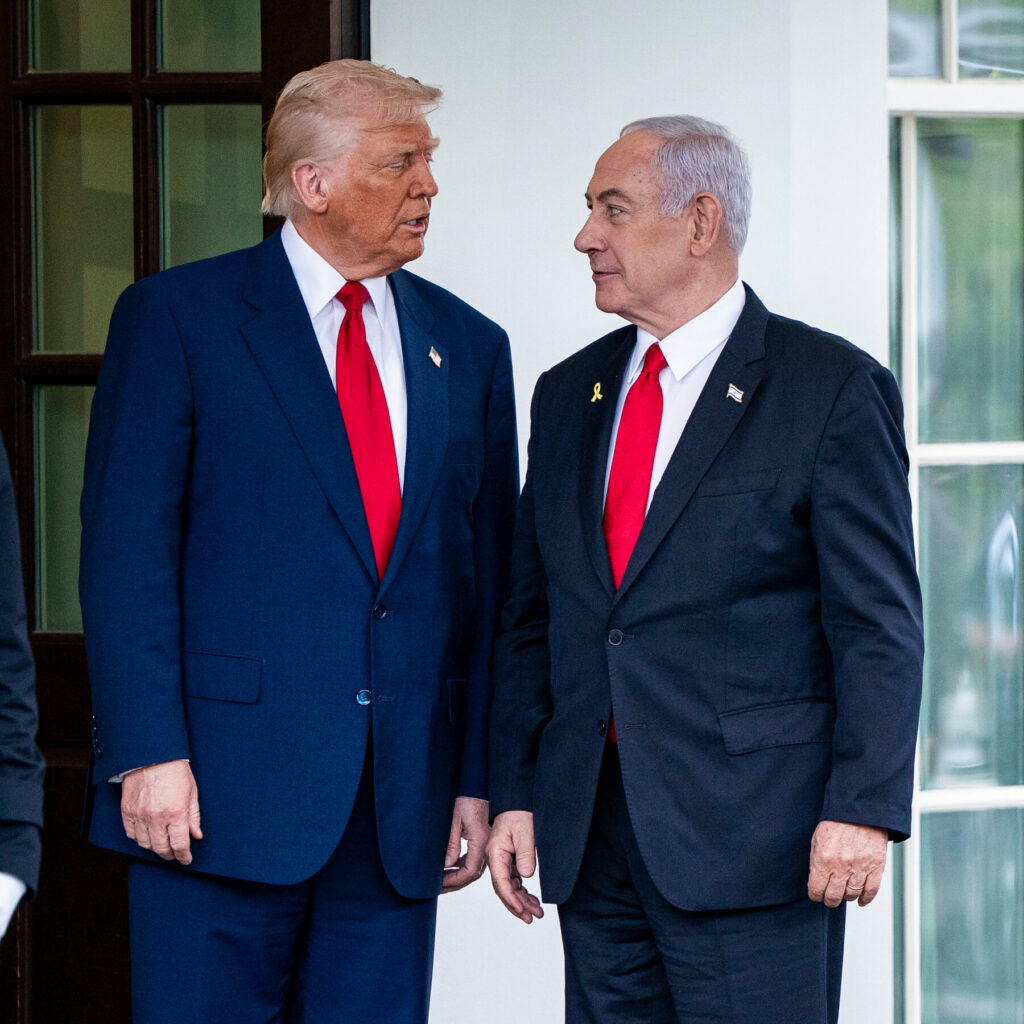
In the months leading up to a pivotal election, Israeli Prime Minister Benjamin Netanyahu finds himself walking a political tightrope. The recently proposed Gaza disarmament deal, championed by President Donald Trump, presents both an opportunity and a challenge. Netanyahu must reconcile the demands of his conservative political base, which often favors a hardline stance on security, with the diplomatic imperatives of engaging with the United States and addressing the ongoing conflict in Gaza. This article explores the nuances of Netanyahu’s position, the complexities of the Gaza disarmament proposal, and the broader implications for Israeli politics and regional stability.
With a national election looming, Prime Minister Netanyahu is acutely aware of the need to maintain the support of his right-wing constituency. This base traditionally prioritizes strong security measures and expresses deep skepticism toward concessions in the Israeli-Palestinian conflict. Netanyahu’s political survival depends heavily on projecting strength and a firm commitment to Israel’s security, which complicates his response to any disarmament initiative that might be perceived as compromising defense capabilities.
Right-wing factions within Netanyahu’s coalition have voiced concerns that the Gaza disarmament deal could undermine Israel’s security by requiring demilitarization steps that are difficult to verify and enforce effectively. These groups advocate for a robust approach against Hamas and other militant organizations in Gaza, emphasizing deterrence and military readiness over negotiated settlements. Their apprehension reflects a broader skepticism about the reliability of peace deals that depend on the disarmament of hostile actors.
Netanyahu must therefore navigate these political pressures carefully, balancing the need to reassure his base that Israel’s security will not be compromised while also engaging with international diplomatic efforts aimed at reducing conflict.
The disarmament plan put forth by President Trump aims to reduce hostilities by dismantling militant capabilities in Gaza, thereby creating conditions conducive to longer-term peace efforts. The proposal includes measures for monitoring and verification, as well as economic incentives for Gaza contingent on compliance with disarmament terms. By addressing both security and economic factors, the plan seeks to foster a more stable environment in the region.
However, the plan faces significant hurdles. Hamas, the governing authority in Gaza, remains resistant to disarmament, viewing its military capabilities as essential to its political leverage and security. This entrenched position complicates efforts to implement any agreement that would require Hamas to relinquish its arsenal.
Additionally, skepticism exists regarding the feasibility of enforcing disarmament and ensuring that militant groups do not rearm covertly. The porous borders and complex political landscape make verification challenging, raising doubts about the plan’s long-term effectiveness.
For Netanyahu, endorsing the plan involves weighing the potential benefits of reduced conflict and strengthened international support against the risks of appearing weak or conceding too much to adversaries. This delicate calculation is further complicated by the need to maintain domestic political support.
Israel’s strategic partnership with the United States is a cornerstone of its foreign policy. President Trump’s administration has been a staunch ally, and Netanyahu’s government has often aligned closely with U.S. policy objectives. Supporting Trump’s Gaza initiative could strengthen this alliance and bring diplomatic dividends, including increased political backing and potential economic benefits.
Conversely, Netanyahu must manage domestic perceptions carefully. Any perceived capitulation to external pressure could alienate his right-wing supporters and jeopardize his electoral prospects. This tension requires a nuanced approach that signals unwavering commitment to Israel’s security while engaging constructively with the U.S. proposal.
Netanyahu’s handling of this issue reflects a broader pattern in Israeli politics, where leaders must constantly navigate between international diplomacy and the demands of a diverse and often polarized electorate. Successfully balancing these competing interests is critical to maintaining political stability and advancing Israel’s strategic goals.
If successfully implemented, the Gaza disarmament deal could reduce the frequency and intensity of conflicts between Israel and Gaza-based militant groups. This would have positive implications for regional stability and could open pathways for broader peace negotiations involving multiple stakeholders.
However, the fragility of the situation means that any missteps or failures in enforcement could exacerbate tensions. A breakdown in the deal might lead to renewed violence, undermining both Netanyahu’s political standing and the credibility of U.S. mediation efforts.
Moreover, the deal’s success depends on cooperation from multiple stakeholders, including Palestinian factions beyond Hamas and neighboring countries. Without a comprehensive and inclusive approach, disarmament efforts may remain limited in scope and effectiveness, potentially leaving underlying issues unresolved.
The broader regional context, including the roles of Egypt, Jordan, and other Arab states, will also influence the sustainability of any agreement. Their support or opposition can significantly affect the deal’s implementation and the prospects for lasting peace.
As the election approaches, Netanyahu’s strategy appears to involve cautious engagement with the disarmament proposal, emphasizing stringent security guarantees and robust verification mechanisms. By framing the deal as a pragmatic step toward peace that does not compromise Israel’s defense, he aims to appeal to both his right-wing base and international partners.
Netanyahu’s political future may hinge on his ability to present a coherent narrative that balances these competing demands. Success could reinforce his leadership credentials and enhance Israel’s diplomatic standing; failure could deepen political divisions and instability within the country.
Ultimately, Netanyahu’s navigation of the Gaza disarmament deal illustrates the complex interplay between domestic politics and international diplomacy in one of the world’s most enduring conflicts. His decisions in the coming months will be critical not only for his political career but also for the future trajectory of Israeli-Palestinian relations.
Benjamin Netanyahu’s approach to President Trump’s Gaza disarmament deal exemplifies the intricate balancing act required in Israeli politics. As he seeks to maintain his political base’s confidence while engaging with a major U.S. initiative, Netanyahu must carefully navigate security concerns, diplomatic expectations, and electoral calculations. The outcome of this balancing act will not only influence Israel’s immediate political landscape but also shape the prospects for peace and stability in the region. Observers should watch closely how Netanyahu manages these tensions in the coming months, as the stakes remain exceptionally high for Israel and its neighbors.
Originally reported by nytimes.com. Adapted for our readers with AI assistance.
Keep reading
Politics
Politics tamfitronics Minnesota Gov. Tim Walz attends a rally in Asheville, North Carolina, on Sept. 17. Minnesota led the way on in...
Politics
Deji Adeyanju; Niger State Mining Victims Human rights lawyer and activist, Deji Adeyanju, has accepted his appointment as a member of the Federal Government’s…
Politics
Democracy, Featured, Global, Global Governance, Headlines, International Justice, IPS UN: Inside the Glasshouse, TerraViva United Nations UNITED NATIONS, Sep 11 2026 (IPS) – When…
TAMFIS NIG LTD
Electrical and instrumentation engineering, bid preparation and consulting, IT and software.