
News
RUSSIA versus NATO and BRICS vs. NATO Military SWOT
Recall that Poland’s Minister Sikorski’s core claim is partially supported by the numbers, but the framing “quite quickly” and “without the U.S.” does not…
TAMFIS NIG LTDRC 8067447CAC ACTIVEFinima, Bonny Island, Rivers State

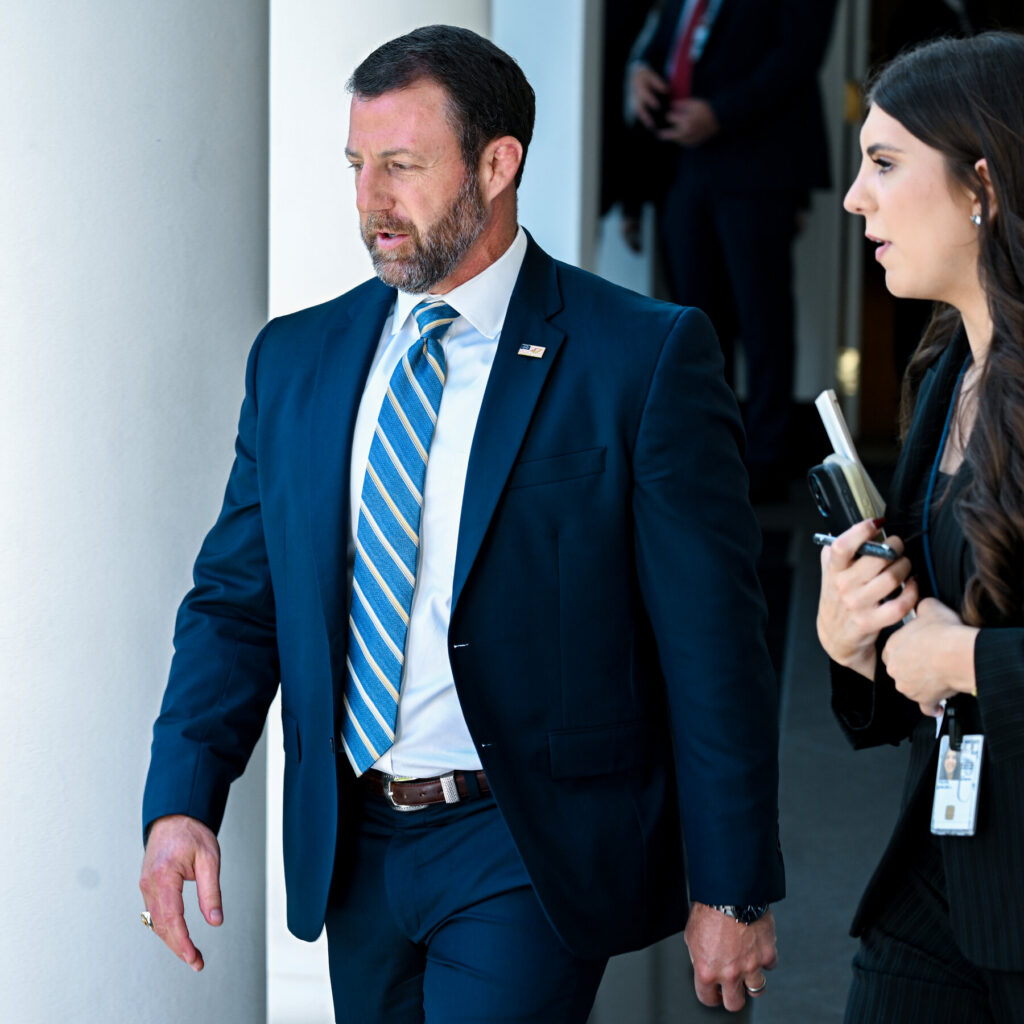
The recent Supreme Court ruling affirming the termination of Temporary Protected Status (TPS) for Haitian nationals has intensified debates over immigration enforcement in the United States. While the decision legally permits the government to proceed with deportations, the administration faces the complex challenge of balancing enforcement with humanitarian considerations and political expectations. This article examines the implications of the ruling, the responses from various stakeholders, and the broader context of TPS policy amid ongoing humanitarian and political challenges.
Temporary Protected Status (TPS) is a humanitarian program established by the U.S. government to protect nationals from designated countries experiencing ongoing armed conflict, environmental disasters, or other extraordinary and temporary conditions that prevent safe return. Under TPS, eligible individuals are permitted to remain in the United States temporarily without fear of deportation and may receive work authorization.
Haiti was designated for TPS following the catastrophic 2010 earthquake that devastated the country, causing widespread destruction, loss of life, and ongoing instability. The program provided a legal reprieve for thousands of Haitians residing in the U.S., allowing them to live and work while their home country grappled with recovery.
However, the Trump administration initiated efforts to terminate TPS for Haitians, arguing that conditions in Haiti had improved sufficiently to justify ending the program. This move was part of a broader policy to tighten immigration enforcement and reduce the number of individuals living in the U.S. under temporary protections. The Supreme Court recently upheld the administration’s authority to end TPS for Haitians, confirming the legality of the decision and clearing the way for deportations to proceed.
Despite the legal victory, the administration has faced notable frustration from some of its most fervent supporters who expected swift and visible deportation actions targeting Haitians who lost their protected status. These supporters have expressed dissatisfaction over the perceived lack of aggressive enforcement measures, such as raids or mass removals, which they believe would demonstrate a firm commitment to immigration law enforcement.
Enforcement agencies, however, confront significant logistical and ethical challenges in executing deportations. Coordinating removals involves complex planning, including verifying identities, arranging transportation, and ensuring compliance with legal due process. Additionally, diplomatic relations with Haiti play a crucial role, as the country must accept returnees and provide necessary documentation.
The Trump administration’s cautious approach reflects these challenges, as well as concerns about the humanitarian impact of deportations. This has resulted in limited visible enforcement actions, which in turn has fueled criticism from political factions advocating for more aggressive immigration policies. The situation highlights the tension between political expectations for rapid enforcement and the practical realities of managing deportations responsibly.
Advocates, community leaders, and human rights organizations have raised significant humanitarian concerns regarding the deportations. Many Haitians who benefited from TPS have established deep roots in American communities over the past decade, contributing economically, socially, and culturally. Their removal could disrupt families, local economies, and community networks.
Moreover, the safety and well-being of deportees upon return to Haiti remain critical concerns. Despite some improvements since the earthquake, Haiti continues to face political instability, economic hardship, and vulnerability to natural disasters such as hurricanes and floods. These ongoing challenges complicate the narrative around deportations and underscore the risks faced by returnees.
The potential exacerbation of humanitarian crises both in the United States and Haiti calls for a nuanced policy approach that balances enforcement with compassion. Stakeholders emphasize the importance of considering the long-term consequences of deportations on individuals and communities, as well as the broader implications for U.S. foreign relations and humanitarian commitments.
The Supreme Court ruling sets an important precedent affirming the executive branch’s authority to end TPS designations, which may influence the status of other groups currently protected under the program. This decision underscores the role of judicial oversight in immigration policy while highlighting the discretionary power of the administration in determining TPS designations.
Policymakers now face the challenge of balancing enforcement priorities with humanitarian obligations and international diplomatic considerations. The Haitian TPS case exemplifies the complexities of immigration policy, where legal authority intersects with human rights and geopolitical realities.
Looking ahead, the debate over the future of TPS and the broader U.S. immigration system is likely to continue. Lawmakers, advocacy groups, and the administration must grapple with questions about the criteria for granting or terminating TPS, the treatment of long-term residents, and the integration of humanitarian concerns into immigration enforcement strategies.
The Supreme Court’s affirmation of the Trump administration’s authority to terminate TPS for Haitians marks a pivotal moment in U.S. immigration policy. While the legal pathway for deportations is now clear, the administration must navigate a complex landscape of political pressures, enforcement challenges, and humanitarian responsibilities. The cautious approach to deportations reflects the practical difficulties and ethical considerations involved. Moving forward, balancing these competing demands will be essential to shaping a fair and effective immigration system that respects both the rule of law and human dignity. The Haitian TPS case serves as a powerful reminder of the intricate challenges inherent in immigration policy, where legal rulings intersect with the lives of vulnerable populations and broader international dynamics.
Originally reported by nytimes.com. Adapted for our readers with AI assistance.
Keep reading
News
Recall that Poland’s Minister Sikorski’s core claim is partially supported by the numbers, but the framing “quite quickly” and “without the U.S.” does not…
Politics
In August 2025, Zespri, the world’s largest marketer of kiwifruit, announced that the European Commission had approved what it described as the first health…
News
By Engr. Tamunofiniarisa BrownReading Time: 6 Minutes The conflict between Russia and Ukraine is often framed in the media as a simple battle between…
TAMFIS NIG LTD
Electrical and instrumentation engineering, bid preparation and consulting, IT and software.