Politics
How Minnesota Figures Into the Presidential Politics of Insulin Prices
Politics tamfitronics Minnesota Gov. Tim Walz attends a rally in Asheville, North Carolina, on Sept. 17. Minnesota led the way on in...
TAMFIS NIG LTDRC 8067447CAC ACTIVEFinima, Bonny Island, Rivers State

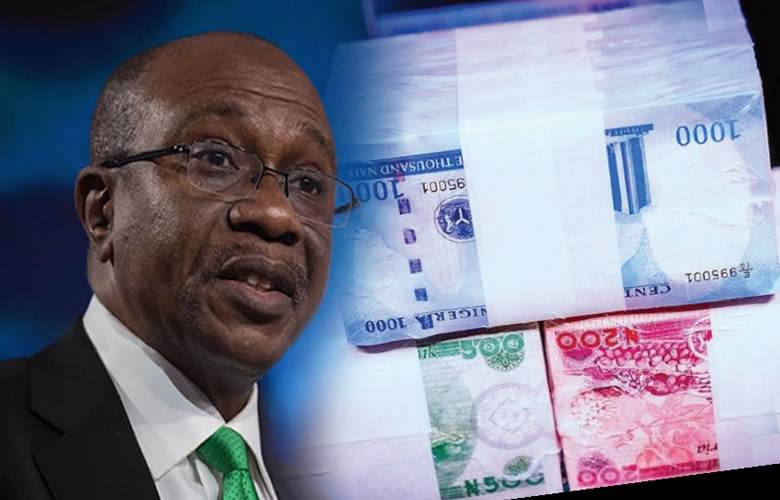
The 2022 naira notes redesign in Nigeria, a significant monetary policy move by the Central Bank of Nigeria (CBN), has recently come under intense scrutiny. At the heart of the controversy is former CBN Governor Godwin Emefiele, accused of bypassing established protocols and releasing currency notes that diverged from the design approved by then-President Muhammadu Buhari. Folashodun Shonubi, a former acting Governor of the CBN and Deputy Governor of Operations, provided critical testimony revealing political intrigues and procedural lapses surrounding the redesign. This article explores the details of Shonubi’s revelations, the procedural expectations for currency redesign, and the broader political implications of the 2022 naira notes exercise.
The Central Bank of Nigeria undertook the naira notes redesign in late 2022, a move that was intended to curb inflation, reduce counterfeit currency, and tackle illicit financial flows ahead of the 2023 general elections. The redesign exercise involved introducing new versions of the ₦200, ₦500, and ₦1000 notes with updated security features and designs.
The exercise generated widespread public attention and debate, with the government emphasizing its aim to stabilize the economy and strengthen the financial system. However, this monetary policy action was also enveloped in political tensions, as opposition parties and some financial experts questioned its timing and execution.
Former CBN Governor Godwin Emefiele spearheaded the redesign, but recent testimonies suggest that the process was marred by internal disagreements and deviations from standard protocols. These revelations have raised questions about the transparency and legitimacy of the currency redesign.
Folashodun Shonubi, who served as the Deputy Governor of Operations and briefly as acting Governor of the CBN, played a crucial role during the period of the currency redesign. As a member of both the Committee of Governors (COG) and the CBN Board, Shonubi was directly involved in operational meetings and policy discussions.
During his testimony at the Federal Capital Territory High Court in Abuja, Shonubi revealed that the naira notes released under Emefiele’s tenure were not the same as those approved by President Buhari. He highlighted that the memo presented to the President for approval was prepared solely by Emefiele without following the established procedural channels within the CBN.
Shonubi also indicated that he was not privy to all interactions between the former President and Emefiele, as the Governor was the sole intermediary. This lack of transparency within the CBN’s leadership fueled concerns about the currency redesign’s authenticity and adherence to governance standards.
Standard procedure for currency redesign at the CBN requires multiple layers of approval and consultation. Typically, the Currency Management Department initiates a recommendation, which is then reviewed by the Committee of Governors. Upon approval, the CBN Board considers the proposal before forwarding it to the President for final authorization.
Shonubi testified that this process was circumvented during the 2022 exercise. He recalled that an early 2021 recommendation by the Currency Department to redesign the notes was deliberately sidelined by Emefiele. The Governor instructed the department to hold back the proposal, delaying the usual review process.
Later, in mid-October 2022, the Deputy Governors were informed by Emefiele that the President had approved the redesign. However, Shonubi asserted that the notes eventually produced and circulated were not consistent with the design or specifications initially approved by Buhari, indicating a breach of protocol and possible misrepresentation.
Shonubi’s testimony also shed light on the political context of the naira redesign, describing the process as riddled with 'intrigues and politics.' While he did not elaborate extensively, his statements imply internal power struggles, possible manipulation, and political motivations influencing the redesign.
The timing of the redesign, close to the 2023 general elections, further fueled speculation that the exercise was politically motivated. Critics argued that the move could have been intended to disrupt the electoral process or manipulate political outcomes by restricting cash availability.
The controversy has since escalated, with opposition parties and civil society groups demanding transparency and accountability. The political dimension underscores the need for clear, apolitical management of monetary policies to maintain public trust and economic stability.
The Economic and Financial Crimes Commission (EFCC) became involved following allegations of impropriety and procedural violations related to the naira redesign. Shonubi disclosed that he was invited for questioning and provided statements to the EFCC as part of their investigations.
Despite this, Shonubi mentioned there was no direct face-to-face confrontation between him and Emefiele during the EFCC’s probe, suggesting that the investigation is ongoing and may still uncover further details.
The trial of Godwin Emefiele has brought these issues into the public domain, offering an opportunity for judicial scrutiny of the currency redesign process. The court’s findings could have significant implications for governance and financial policy in Nigeria.
The revelations about procedural breaches and political interference in the currency redesign exercise highlight vulnerabilities in Nigeria’s monetary policy governance. They underscore the need for strict adherence to institutional protocols and transparency in decision-making.
Such controversies risk undermining investor confidence and public trust in the Central Bank of Nigeria. Monetary policy must remain insulated from political pressures to effectively manage inflation, currency stability, and economic growth.
Going forward, reforms may be necessary to strengthen the checks and balances within the CBN and enhance oversight mechanisms. This could include clearer guidelines on currency redesign and more robust communication between the CBN, the Presidency, and other stakeholders.
The 2022 naira redesign had a direct impact on millions of Nigerians, with many experiencing cash shortages and transactional difficulties during the currency swap period. Public frustration was palpable, contributing to skepticism about the motives behind the redesign.
Economic analysts have debated whether the redesign achieved its stated objectives, noting mixed results in combating inflation and reducing counterfeit currency. The political controversies further complicated public perception and acceptance of the new notes.
The unfolding legal and political developments continue to fuel discussions about the intersection of monetary policy and governance in Nigeria, demonstrating the critical importance of transparent and accountable financial leadership.
The naira redesign saga offers valuable lessons for Nigeria’s financial institutions and policymakers. It emphasizes the importance of following established procedures and ensuring full transparency in major monetary decisions.
Strengthening institutional independence, enhancing internal controls, and fostering open communication channels between the Central Bank and government are essential steps to avoid similar controversies in the future.
Ultimately, restoring public trust requires not only procedural reforms but also a commitment to depoliticizing monetary policy. The Central Bank must operate with integrity and clarity to safeguard Nigeria’s economic stability and growth.
The testimony of Folashodun Shonubi has brought to light significant concerns about the 2022 naira notes redesign, revealing that the currency released under Godwin Emefiele’s leadership was not aligned with the design approved by former President Muhammadu Buhari. The procedural lapses and political intrigues surrounding the exercise have exposed vulnerabilities within Nigeria’s monetary policy governance framework. Moving forward, it is imperative for the Central Bank of Nigeria and the government to reinforce institutional protocols, ensure transparency, and depoliticize financial policies to restore public confidence and promote economic stability. The ongoing legal scrutiny serves as a crucial step towards accountability, but comprehensive reforms remain essential to safeguard the integrity of Nigeria’s currency management.
Originally reported by punchng.com. Adapted for our readers.
Keep reading
Politics
Politics tamfitronics Minnesota Gov. Tim Walz attends a rally in Asheville, North Carolina, on Sept. 17. Minnesota led the way on in...
Politics
Nigerian human rights lawyer Deji Adeyanju has joined a Federal Government inquiry into the deaths of 37...
Politics
Democracy, Featured, Global, Global Governance, Headlines, International Justice, IPS UN: Insid...
TAMFIS NIG LTD
Electrical and instrumentation engineering, bid preparation and consulting, IT and software.