
Business
Nigeria’s Broken Systems: Why Failure Persists and What Must Change
An analysis of the structural and institutional factors that entrench governance failures in Nigeria, from patronage politics and weakened oversight to the urgent need…
TAMFIS NIG LTDRC 8067447CAC ACTIVEFinima, Bonny Island, Rivers State

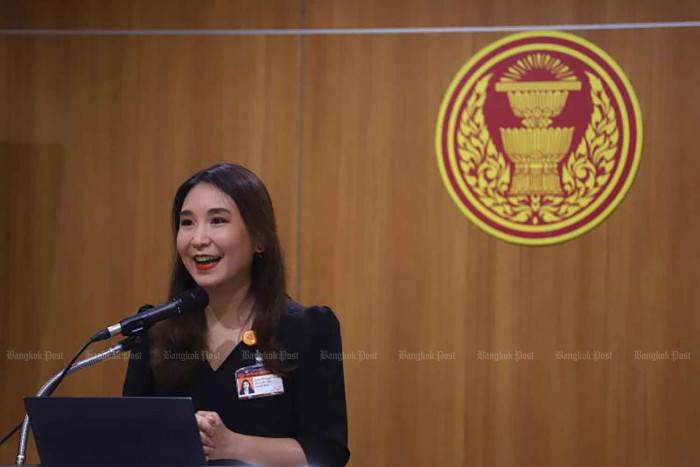
The political landscape of Thailand is on the brink of significant transformation as the Move Forward Party (MFP), a prominent opposition force, faces a critical juncture. Sirikanya Tansakul, the party's deputy leader, has emerged as a beacon of hope and progress, promising a fresh chapter in Thai politics. With the looming possibility of the party's disbandment by the Constitutional Court, Sirikanya’s leadership vision centers on resilience, inclusivity, and a stronger representation of women in politics. This article delves into her commitment, the party’s challenges, and the broader implications for Thailand’s democratic future.
The Move Forward Party (MFP) is a dynamic political force in Thailand, known for its progressive ideals and reformist agenda. Emerging as the successor to the dissolved Future Forward Party, MFP has captured the imagination of many Thais seeking change, particularly younger voters eager for a new political direction.
Since its establishment, MFP has championed causes such as democratic reform, social justice, and economic equality. The party’s strong performance in the general elections positioned it as the leading opposition party, challenging the traditional political powers that have long dominated Thai politics.
However, MFP’s bold stance on sensitive issues, including calls to amend the lese majeste law (Section 112 of the Criminal Code), has placed it under intense scrutiny by the establishment. This has led to legal challenges threatening the party’s existence, making its future uncertain yet crucial for Thailand’s political evolution.
Sirikanya Tansakul, the deputy leader of MFP, has articulated a compelling vision for Thailand’s political future. Should she be appointed as the leader of the party’s potential reincarnation, she promises to usher in a new chapter characterized by inclusivity and gender diversity.
Her leadership would mark a significant departure from the historically male-dominated political arena in Thailand. Sirikanya emphasizes the importance of women’s representation in top political roles, believing it will bring fresh perspectives and more equitable governance.
She has expressed confidence that her leadership would not only empower women but also introduce a new dimension to Thai politics, fostering a culture of openness, resilience, and progressive policymaking that resonates with the aspirations of modern Thai society.
The Constitutional Court is set to rule on August 7 regarding the dissolution case against the Move Forward Party. This decision follows a petition by the Election Commission (EC), which accuses MFP of violating Section 92 of the organic law on political parties due to its stance on lese majeste law reform.
If the court orders the party’s disbandment, it could also impose bans on MFP executives, prohibiting them from participating in elections or holding leadership roles in any new parties for up to ten years. This would significantly disrupt the party’s momentum and the broader opposition movement.
Despite these challenges, MFP leaders and supporters remain resolute. They have planned a gathering at the party’s headquarters to demonstrate unity and resilience, signaling their readiness to continue their political mission regardless of the court’s verdict.
Sirikanya and the MFP leadership have made clear that they are prepared for all outcomes, including the possibility of disbandment. The party is reportedly organizing plans for a seamless transition to a new political entity, ensuring continuity in their reformist agenda.
This preparedness reflects lessons learned from the dissolution of the Future Forward Party, which successfully reincarnated as the Move Forward Party. The leadership’s strategic foresight aims to minimize disruption and maintain momentum in Thailand’s political discourse.
Such resilience highlights the party’s commitment to democratic principles and reform, demonstrating that legal setbacks will not deter their pursuit of political change and representation for their constituents.
One of the most significant aspects of Sirikanya’s potential leadership is the emphasis on increasing women’s participation in Thai politics. Historically, political leadership in Thailand has been predominantly male, limiting diverse perspectives in governance.
Sirikanya’s rise symbolizes a breakthrough, potentially inspiring more women to engage actively in political processes. This shift could lead to policies that better address gender equality, social welfare, and inclusive development.
By championing female leadership, MFP could set a precedent for other political parties, encouraging a more balanced and representative political environment that reflects the demographics and aspirations of Thai society.
MFP has cultivated a robust base of supporters, particularly among young voters and urban populations who seek progressive change. The party’s invitation for supporters to gather at its headquarters during the court ruling reflects its strategy to maintain strong public engagement.
This mobilization is not only a show of solidarity but also serves as a platform for educating the public about the legal and political issues at stake. The scheduled lecture by Progressive Movement secretary-general Piyabutr Saengkanokkul aims to deepen understanding of the constitutional court’s role and the implications of party dissolution.
Such grassroots activism underscores the party’s commitment to democratic participation and transparency, fostering a politically aware electorate ready to support sustained reform efforts.
Despite its popularity, MFP faces formidable challenges, including legal battles, political opposition, and societal divisions. The controversy surrounding lese majeste law reform remains a sensitive and polarizing issue within Thailand’s political discourse.
The party must balance its reformist agenda with the realities of operating within a political system that has historically resisted rapid change. Navigating these complexities requires strategic alliances, effective communication, and sustained public engagement.
Sirikanya’s leadership, with its focus on inclusivity and resilience, will be critical in guiding the party through these challenges, ensuring that MFP remains a vital voice for democratic reform and social progress in Thailand.
The potential leadership of Sirikanya Tansakul and the resilience of the Move Forward Party signify a pivotal moment for Thai politics. Their commitment to reform, gender inclusivity, and democratic principles could reshape the country’s political landscape.
Regardless of the Constitutional Court’s forthcoming decision, MFP’s trajectory reflects a broader societal shift towards greater political participation and demand for accountability. This momentum may encourage other political actors to embrace reform and inclusivity.
Ultimately, the party’s vision for a new chapter in Thai politics offers hope for a more open, representative, and progressive future, one that aligns with the aspirations of a diverse and evolving Thai society.
The Move Forward Party stands at a crossroads amid significant legal and political challenges that could redefine Thailand’s political future. Sirikanya Tansakul’s promise of a new chapter offers a vision rooted in resilience, inclusivity, and progressive change, particularly through enhanced female political leadership. As Thailand awaits the Constitutional Court’s ruling, the determination of MFP and its supporters underscores a steadfast commitment to democratic ideals and reform. Whether through continuation or reincarnation, the party’s influence is poised to leave an enduring impact on Thailand’s political landscape, inspiring a more representative and equitable future.
Originally reported by bangkokpost.com. Adapted for our readers.
Keep reading
Business
An analysis of the structural and institutional factors that entrench governance failures in Nigeria, from patronage politics and weakened oversight to the urgent need…
Politics
Yari says the APC will emphasise Tinubu’s achievements in 2027. This analysis explains how voters can examine outcomes, baselines and campaign evidence.
Lifestyle
Obi says his wife funds her own purchases. This analysis separates his explanation, unverified handbag prices and the evidence needed to assess public spending.
TAMFIS NIG LTD
Electrical and instrumentation engineering, bid preparation and consulting, IT and software.

