
Politics
How Minnesota Figures Into the Presidential Politics of Insulin Prices
Politics tamfitronics Minnesota Gov. Tim Walz attends a rally in Asheville, North Carolina, on Sept. 17. Minnesota led the way on in...
TAMFIS NIG LTDRC 8067447CAC ACTIVEFinima, Bonny Island, Rivers State

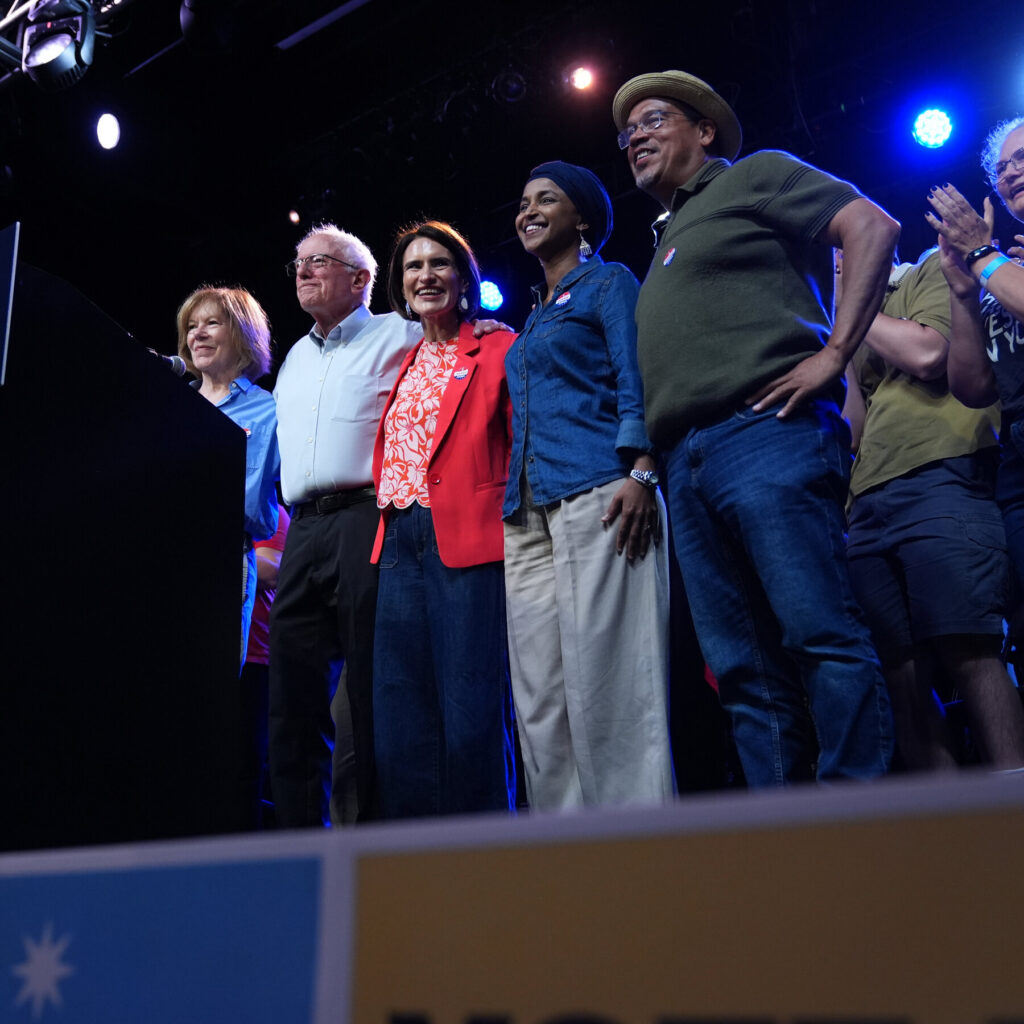
The Democratic Senate primary in Minnesota is shaping up as a significant political event, pitting two prominent figures—Angie Craig and Peggy Flanagan—against each other. This race is more than a simple contest for a Senate seat; it embodies the ongoing debate within the Democratic Party about its ideological path, especially in a state deeply affected by recent national policies. Minnesota’s political landscape has been particularly sensitive following the Trump administration’s immigration crackdown, which galvanized left-wing activists and reshaped voter priorities. As the primary approaches, the outcome will offer critical insights into the strength and influence of progressive energy within the party, potentially signaling shifts that could reverberate beyond state lines.
Minnesota’s Senate primary is attracting national attention due to the profiles of the candidates and the broader implications for the Democratic Party. Angie Craig, a sitting congresswoman, represents a more moderate wing of the party, emphasizing pragmatic solutions and bipartisan cooperation. In contrast, Peggy Flanagan, currently serving as Minnesota’s lieutenant governor, is closely aligned with the party’s progressive base, advocating for bold reforms and social justice initiatives.
This primary unfolds in a politically charged environment. The state experienced significant turmoil during the Trump administration’s immigration policies, which included aggressive enforcement actions disrupting communities and heightening political activism. These events have energized the left-wing faction of the Democratic Party, making this primary a litmus test for their influence in Minnesota and potentially beyond. The race is thus not only about who will represent Minnesota in the Senate but also about which ideological direction the party will embrace in a state that has become a microcosm of national political tensions.
Angie Craig has built her political career on a platform focused on economic development, healthcare access, and education reform. Her approach is often characterized as centrist, appealing to a broad spectrum of voters including suburban and rural constituents. Craig’s tenure in Congress has been marked by efforts to bridge partisan divides, positioning her as a pragmatic legislator focused on incremental progress and achievable policy goals.
Peggy Flanagan brings a distinct progressive perspective rooted in her background as an advocate for indigenous rights and social equity. As Minnesota’s first Native American lieutenant governor, she has championed policies aimed at addressing systemic inequalities and expanding social safety nets. Flanagan’s campaign emphasizes transformative change and mobilizing grassroots support, reflecting the priorities of the party’s left wing. Her candidacy symbolizes a push for more ambitious reforms that seek to reshape the political and social landscape of Minnesota.
Minnesota’s political dynamics have been significantly influenced by the Trump administration’s immigration crackdown. The aggressive enforcement measures, including family separations and deportations, deeply affected many immigrant communities within the state. These policies sparked widespread protests and increased political engagement among voters who felt targeted or marginalized, fueling a surge in activism particularly among younger and minority voters.
For the Democratic Party in Minnesota, this period underscored the urgency of addressing immigration reform and social justice more broadly. Progressive candidates like Flanagan have leveraged this momentum to push for comprehensive and humane immigration policies, advocating for systemic change to prevent future injustices. Meanwhile, moderates like Craig have sought to balance these concerns with broader economic and security considerations, aiming to appeal to a wider electorate while acknowledging the need for reform.
The Minnesota Senate primary encapsulates a broader national debate within the Democratic Party: the tension between progressive energy and moderate pragmatism. Progressives argue for sweeping reforms on issues such as healthcare, climate change, and racial justice, believing that bold action is necessary to address systemic problems and meet the demands of an increasingly diverse electorate.
Moderates, meanwhile, emphasize the importance of electability and bipartisan cooperation to achieve sustainable policy gains. They argue that incremental progress and coalition-building are essential for maintaining political power and passing legislation. This ideological divide is evident in the campaigns of Craig and Flanagan. While both share core Democratic values, their differing approaches highlight the challenges the party faces in uniting its diverse coalition. The outcome of this primary will signal which strategy resonates more with Minnesota’s Democratic electorate and could influence the party’s direction nationally.
The results of Minnesota’s Democratic Senate primary will have implications beyond the state. As one of the key battlegrounds in the 2026 midterm elections, Minnesota’s Senate seat is crucial for Democrats seeking to maintain or expand their majority in the Senate. A victory for Flanagan could energize the progressive base nationwide, encouraging similar candidates to run in other states and potentially shifting the party’s platform toward more ambitious reforms.
Conversely, a win for Craig might indicate continued support for moderate Democrats who prioritize broad appeal and incremental policy changes. This could influence the party’s strategy in competitive races across the country, shaping the legislative agenda for the coming years and possibly fostering a more centrist approach to governance.
Moreover, the primary serves as a microcosm of the Democratic Party’s ongoing efforts to reconcile internal differences and present a united front against Republican challengers in the general election. The outcome will provide valuable insights into how the party balances its diverse factions in pursuit of electoral success.
The Minnesota Democratic Senate primary is more than a local election; it is a reflection of the broader ideological currents shaping the Democratic Party today. As Angie Craig and Peggy Flanagan vie for the nomination, voters face a choice that will determine not only the party’s representation in the Senate but also its future direction. The race underscores the ongoing balancing act between progressive ambition and moderate pragmatism—a dynamic that will continue to define American politics in the years ahead. Observers and participants alike will be watching closely, as the outcome could set the tone for Democratic strategies nationwide, influencing how the party navigates internal divisions and external challenges in the lead-up to the 2026 midterms and beyond.
Originally reported by nytimes.com. Adapted for our readers with AI assistance.
Keep reading
Politics
Politics tamfitronics Minnesota Gov. Tim Walz attends a rally in Asheville, North Carolina, on Sept. 17. Minnesota led the way on in...
Politics
Deji Adeyanju; Niger State Mining Victims Human rights lawyer and activist, Deji Adeyanju, has accepted his appointment as a member of the Federal Government’s…
Politics
Democracy, Featured, Global, Global Governance, Headlines, International Justice, IPS UN: Inside the Glasshouse, TerraViva United Nations UNITED NATIONS, Sep 11 2026 (IPS) – When…
TAMFIS NIG LTD
Electrical and instrumentation engineering, bid preparation and consulting, IT and software.