
Business
Nigeria’s Broken Systems: Why Failure Persists and What Must Change
An analysis of the structural and institutional factors that entrench governance failures in Nigeria, from patronage politics and weakened oversight to the urgent need…
TAMFIS NIG LTDRC 8067447CAC ACTIVEFinima, Bonny Island, Rivers State

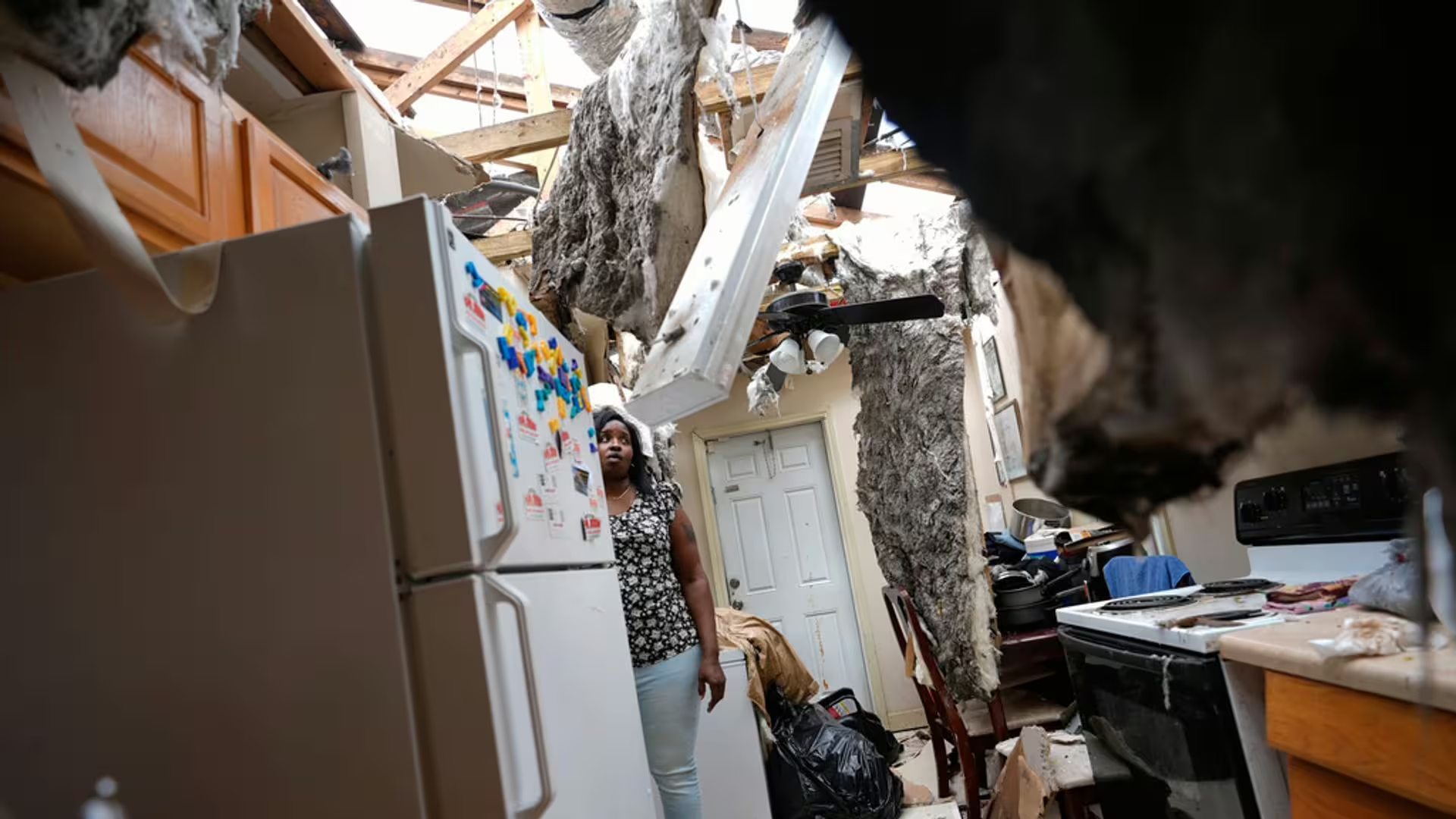
In the days leading up to Hurricane Milton’s arrival on Florida’s west coast, meteorologists and authorities issued some of the most urgent warnings seen in recent years. Evacuation zones stretched from Fort Myers to Tampa, with officials bracing for a once-in-a-generation storm. Milton’s erratic path and fluctuating intensity fueled fears of unprecedented destruction, especially in low-lying coastal communities vulnerable to storm surge. Yet, when the storm finally made landfall, the damage was surprisingly limited. This article examines why Milton was not the catastrophic event many feared, the public response, and what lessons can be drawn from this near-miss.
Hurricane Milton exhibited atypical characteristics as it approached Florida’s coastline, catching meteorologists off guard. Its path wobbled unpredictably north and south during the critical hours before landfall, making it difficult to pin down precisely where the most severe impacts would be felt. This erratic movement heightened concerns, as a slight shift in trajectory could have meant the difference between manageable weather and devastating damage.
Initially classified as a Category 5 hurricane, Milton’s intensity fluctuated, and it eventually weakened to a Category 3 by the time it reached shore. While this downgrade reduced the expected wind damage, it did little to assuage fears about the potential storm surge, which can cause catastrophic flooding in vulnerable coastal areas. The uncertainty surrounding its strength and path kept residents and officials on high alert.
The unpredictable nature of Milton highlighted the challenges meteorologists face in forecasting hurricanes. Despite advances in technology and modeling, the complex atmospheric conditions influencing storm behavior can still defy expectations, underscoring the importance of erring on the side of caution when issuing public warnings.
In anticipation of Milton’s arrival, authorities implemented widespread evacuation orders encompassing a large swath of Florida’s west coast, from Fort Myers northward through Tampa and beyond. These instructions were taken seriously by many residents, who heeded the warnings and left their homes to seek safety. The proactive approach likely contributed to the relatively low number of casualties associated with the storm.
Communities along the coast prepared for the worst, boarding up windows, securing boats, and stocking emergency supplies. Local law enforcement and the National Guard conducted door-to-door checks, especially in vulnerable areas like Casey Key, to ensure no one was left behind. These efforts reflected a collective commitment to safety and vigilance.
Despite these preparations, some residents expressed skepticism about the severity of the storm, citing past experiences and media coverage they perceived as exaggerated. This skepticism posed challenges for officials striving to maintain public compliance with evacuation orders and safety protocols.
When Milton finally passed, damage assessments revealed a surprisingly moderate impact compared to initial fears. In Punta Gorda, for example, boats were overturned in marinas, but major structural damage was largely avoided. Similarly, in Venice, downed palm fronds, torn roof tiles, and fallen billboards painted a picture of disruption rather than devastation.
Casey Key experienced some flooding, with storm surge water entering homes. However, locals reported the surge was only a foot or two high—far less than anticipated and comparable to the recent surge from Hurricane Helene. This outcome was a significant relief for residents who had braced for far worse.
Farther north in St. Petersburg, the most notable damage was to Tropicana Field’s soft roof, which was torn off during the storm. The stadium was being used as a shelter for emergency workers, highlighting how infrastructure can be both vulnerable and vital during such events. Overall, the region escaped the worst of Milton’s wrath.
Media coverage of Milton was intense, with constant updates emphasizing the storm’s potential for destruction. While such vigilance is crucial for public safety, some residents later criticized the coverage as alarmist, claiming it exaggerated the threat and contributed to unnecessary panic. This dynamic reflects the delicate balance media must strike between caution and accuracy.
Political discourse further complicated the narrative. Some voices accused the Biden administration of over-preparing in response to misinformation campaigns following previous storms. Conversely, critics warned that downplaying risks could lead to complacency and greater harm in future events. This tension illustrates how natural disasters often become entangled with political agendas.
Conspiracy theories also emerged, including unfounded claims about government weather control and obstruction of recovery efforts. These narratives hindered public trust and complicated coordination between federal, state, and local agencies, underscoring the challenges of managing crises in a polarized environment.
Milton’s trajectory and impact offer valuable lessons for emergency management and public communication. The storm’s unusual behavior underscores the necessity of flexible, adaptive response plans that can accommodate rapid changes in storm paths and intensity. Authorities must maintain readiness even when forecasts are uncertain.
The experience also highlights the importance of clear, consistent messaging to the public. Over-warning can lead to fatigue and skepticism, while under-warning risks lives and property. Striking this balance requires trust between officials, media, and communities, built over time through transparency and responsiveness.
Furthermore, Milton’s aftermath demonstrates the critical role of evacuation compliance. The relatively low damage and casualty figures were likely mitigated by the large-scale evacuations and community preparedness. Encouraging residents to take warnings seriously remains a top priority for future hurricane seasons.
Hurricane Milton arrived amid a politically charged atmosphere, with an upcoming election and heightened partisan tensions influencing public discourse. Natural disasters in the United States often become arenas for political contestation, affecting how warnings are issued, interpreted, and acted upon.
The Biden administration’s response to Milton was viewed by some as an overcorrection following criticism during previous storms. Meanwhile, opposition figures leveraged the situation to question federal competence and promote conspiracy theories, complicating unified disaster response efforts.
This politicization can have tangible consequences, including undermining public trust in official guidance and hindering cooperation among government agencies. Addressing these challenges requires separating emergency management from political agendas to prioritize safety and effective crisis response.
Despite the storm’s limited physical damage, communities along Florida’s west coast demonstrated remarkable resilience. Local governments quickly mobilized to clear debris, assess infrastructure, and restore services, minimizing disruption and facilitating a swift return to normalcy.
Residents shared stories of solidarity, with neighbors assisting each other and volunteers supporting emergency workers. These acts of community cohesion highlight the human capacity to recover and adapt even when the worst does not materialize.
Looking ahead, the experience with Milton may strengthen community preparedness for future hurricanes. Lessons learned about evacuation, communication, and mutual support are invaluable assets that enhance overall resilience in the face of natural disasters.
Although Milton did not become the devastating storm many feared, hurricane season remains active, and risks persist. Meteorologists continue to monitor atmospheric conditions closely, reminding residents that vigilance is essential as more storms may develop.
Emergency agencies are using insights gained from Milton to refine protocols and improve coordination. Investments in infrastructure, early warning systems, and public education are ongoing priorities to mitigate future impacts.
Ultimately, Milton serves as a reminder that while nature’s fury can be unpredictable, preparedness, informed decision-making, and community solidarity remain the best defenses against hurricanes and their potentially catastrophic consequences.
Hurricane Milton was not the catastrophic storm many feared it would be, but its approach and aftermath offer critical insights into the complexities of storm forecasting, emergency response, and public perception. The storm’s unusual behavior tested meteorological models and underscored the importance of preparedness and evacuation compliance. At the same time, the political and media environment shaped how warnings were received and acted upon, revealing challenges that extend beyond meteorology. Ultimately, Milton’s legacy is one of cautious relief coupled with renewed commitment to resilience, communication, and cooperation as Florida and the nation continue to face the realities of hurricane season.
Originally reported by news.sky.com. Adapted for our readers.
Keep reading
Business
An analysis of the structural and institutional factors that entrench governance failures in Nigeria, from patronage politics and weakened oversight to the urgent need…
Politics
Yari says the APC will emphasise Tinubu’s achievements in 2027. This analysis explains how voters can examine outcomes, baselines and campaign evidence.
Lifestyle
Obi says his wife funds her own purchases. This analysis separates his explanation, unverified handbag prices and the evidence needed to assess public spending.
TAMFIS NIG LTD
Electrical and instrumentation engineering, bid preparation and consulting, IT and software.

